indian polity Archives - Page 7 of 8 - Universal Group Of Institutions
India's No.1 PU & Degree With Integrated IAS & IPS(UPSC/PSC) Training College.

*** Admissions are open for 2027-28. Courses offered - PUC (Science, Commerce & Arts), BSc (Environmental Science), BA, B.Com, BBA ***

Tag

img
30May 2024

WHAT EC MUST GUARANTEE

SYLLABUS: GS 2: Statutory, Regulatory and various Quasi-judicial Bodies. Powers, Functions, and Responsibilities of Constitutional Bodies. Focus: The CEC and Other Election Commissioners Act, 2023, which gave the central government a majority vote in the appointments of the Chief Election Commissioner (CEC) and other election commissioners. Source: couseguide The ECI, an independent constitutional authority, ensures …

Read More
30May 2024

FEDERAL SYSTEM

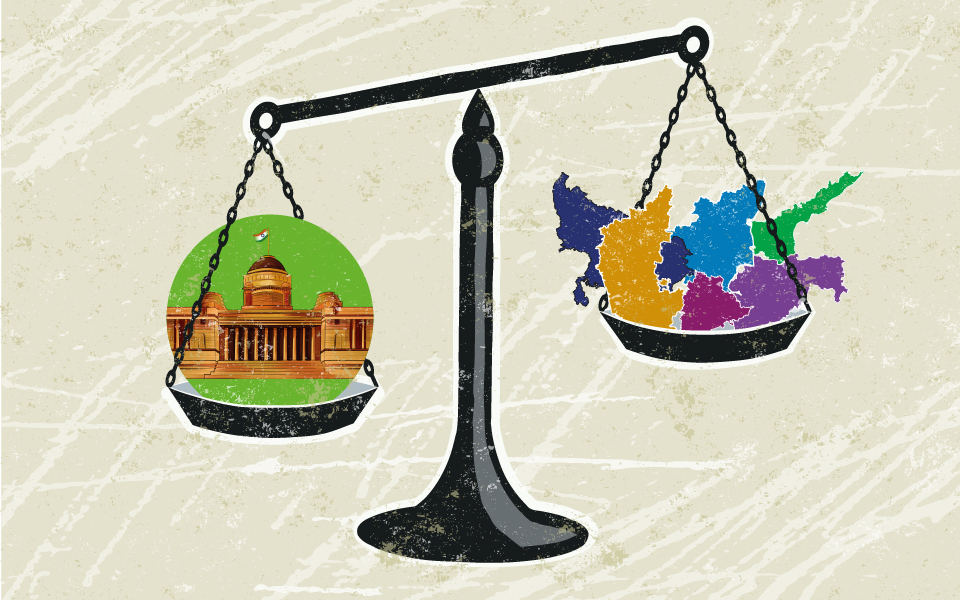
Introduction Political scientists classify governments into unitary and federal models based on the relationship between the national government and regional governments. Unitary governments have all powers vested in the national government, while federal governments divide powers between the national government and regional governments by the Constitution. Countries like Britain, France, Japan, China, Italy, Belgium, Norway, …

Read More
30May 2024

PARLIAMENTARY SYSTEM

Introduction The Indian Constitution establishes a parliamentary form of government, both at the Centre and in the states. Articles 74 and 75 address the parliamentary system at the Centre and Articles 163 and 164 in the states. Modern democratic governments are classified into parliamentary and presidential systems based on the relationship between the executive and …

Read More
30May 2024

BASIC STRUCTURE OF THE CONSTITUTION

Introduction The “Basic Structure Doctrine” is a pivotal and transformative concept in the constitutional jurisprudence of India. It refers to a doctrine established by the Supreme Court of India, which holds that there are certain core principles and features of the Indian Constitution that are beyond the reach of the amending power of the Indian …

Read More
30May 2024

AMENDMENT OF THE CONSTITUTION

Introduction The Indian Constitution is a synthesis of both flexibility and rigidity, with a procedure that allows Parliament to amend the Constitution and its procedure. Article 368 in Part XX of the Constitution states that Parliament can amend any provision of the Constitution by addition, variation, or repeal, but cannot amend those that form the …

Read More
30May 2024

FUNDAMENTAL DUTIES

Introduction The Indian Constitution originally focused on fundamental rights rather than fundamental duties, viewing them as interconnected and inseparable from the citizens’ perspective. The duties of the State were incorporated as Directive Principles of State Policy. However, in 1976, fundamental duties of citizens were added, with one more added in 2002. These Fundamental Duties in …

Read More
29May 2024

FUNDAMENTAL RIGHTS

Introduction The fundamental rights in the Indian Constitution are a set of essential rights and freedoms guaranteed to every citizen of India. These rights are enshrined in Part III of the Constitution and are considered the cornerstone of Indian democracy. They include the right to equality, right to freedom, right against exploitation, right to freedom …

Read More
29May 2024

CITIZENSHIP

Introduction Citizenship is a fundamental concept that lies at the heart of a nation’s identity and governance. It defines an individual’s legal and political status within a specific country or state, granting them both rights and responsibilities. In essence, citizenship represents a social contract between the individual and the state, outlining the reciprocal obligations that …

Read More
29May 2024

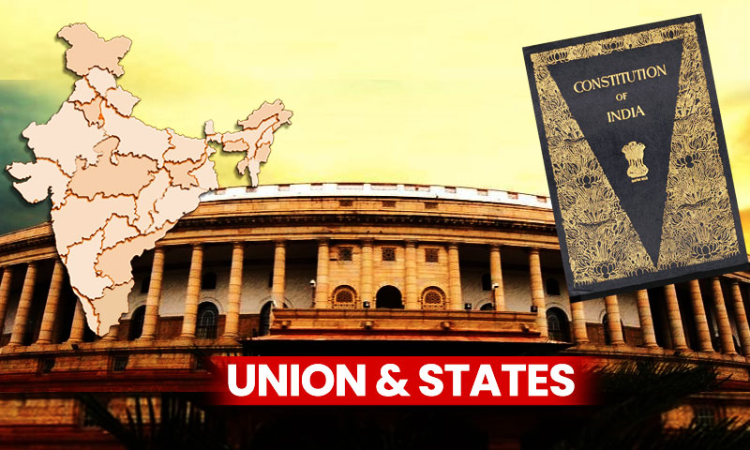
UNION AND ITS TERRITORY

Introduction The “Union and its Territory” is a crucial aspect of the Indian Constitution, as it delineates the geographical and political boundaries of the nation. This section of the Constitution establishes the framework for the composition and organization of India as a federal and democratic republic. It defines how the Indian Union is structured and …

Read More
29May 2024

MAKING OF CONSTITUTION AND ITS SALIENT FEATURES

Background Demand for a Constituent Assembly: The demand for a new constitution for India had been growing throughout the struggle for independence against British colonial rule. This demand was deeply rooted in the decades-long fight for self-rule, led by prominent leaders and freedom fighters like Mahatma Gandhi, Jawaharlal Nehru, and Sardar Patel. These leaders, along …

Read More