 India's No.1 PU & Degree With Integrated IAS & IPS(UPSC/PSC) Training College.


UNESCO CHAIR ON GENDER INCLUSION & SKILL DEVELOPMENT
UNESCO CHAIR ON GENDER INCLUSION & SKILL DEVELOPMENT
Why in the News?
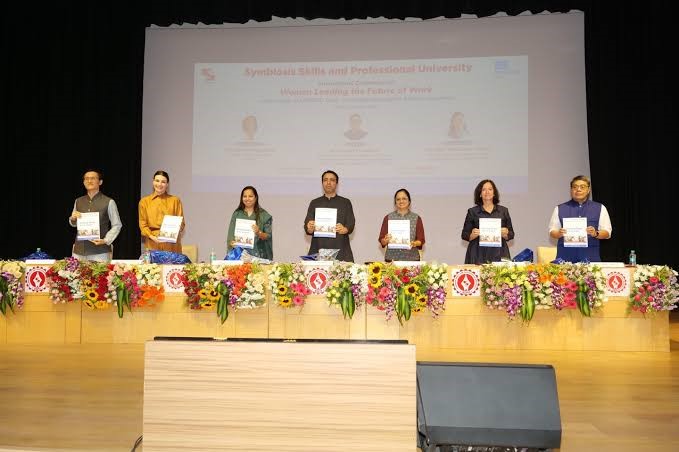
- New global initiative: UNESCO Chair on Gender Inclusion & Skill Development launched at Symbiosis Skills and Professional University.
- First in Asia: Marks a significant step towards women-led skill development and workforce participation in emerging sectors.
Key features of the initiative
- Focus area: Promotes gender inclusion in skilling ecosystems, especially for underprivileged women.
- Future skills training: Covers robotics, automation, semiconductors, advanced manufacturing, defence technology.
- Large-scale outreach: Around 10,000 girls already trained under the programme.
- Industry integration: Model links training with employment outcomes, ensuring practical skill application.
- Global collaboration: Operates under UNESCO framework to align with international best practices in education and inclusion.
Significance for India’s workforce and gender empowerment
- Bridging gender gap: Enhances female participation in STEM and emerging technologies, traditionally male-dominated sectors.
- Economic empowerment: Supports women’s employability and income generation, contributing to inclusive growth.
- Skill ecosystem boost: Strengthens India’s Skill India mission by aligning training with industry needs.
- Demographic dividend: Utilises young female workforce potential to drive productivity and innovation.
- Global leadership: Positions India as a leader in gender-inclusive skilling models for developing countries.
UNESCO Chairs Programme● Concept: UNESCO Chairs are university-based programmes promoting research, training, and knowledge-sharing in priority areas. ● Objective: Foster international cooperation and capacity-building in education, science, and culture. ● Network: Part of UNITWIN (University Twinning and Networking Programme) connecting global institutions. ● Thematic focus: Covers areas like sustainable development, gender equality, education and innovation. ● UPSC relevance: Important for international organisations, education policies, and gender empowerment topics in GS Paper II & III. |

