 India's No.1 PU & Degree With Integrated IAS & IPS(UPSC/PSC) Training College.


INDUSTRIAL PROTESTS IN NORTH INDIA
INDUSTRIAL PROTESTS IN NORTH INDIA
Why in the News?
- Worker unrest: Industrial hubs like Manesar, Noida and Ghaziabad witnessed protests due to rising cost of living and stagnant wages among workers.
- Policy response: State governments announced minimum wage hikes amid growing discontent over labour conditions and informal sector distress.
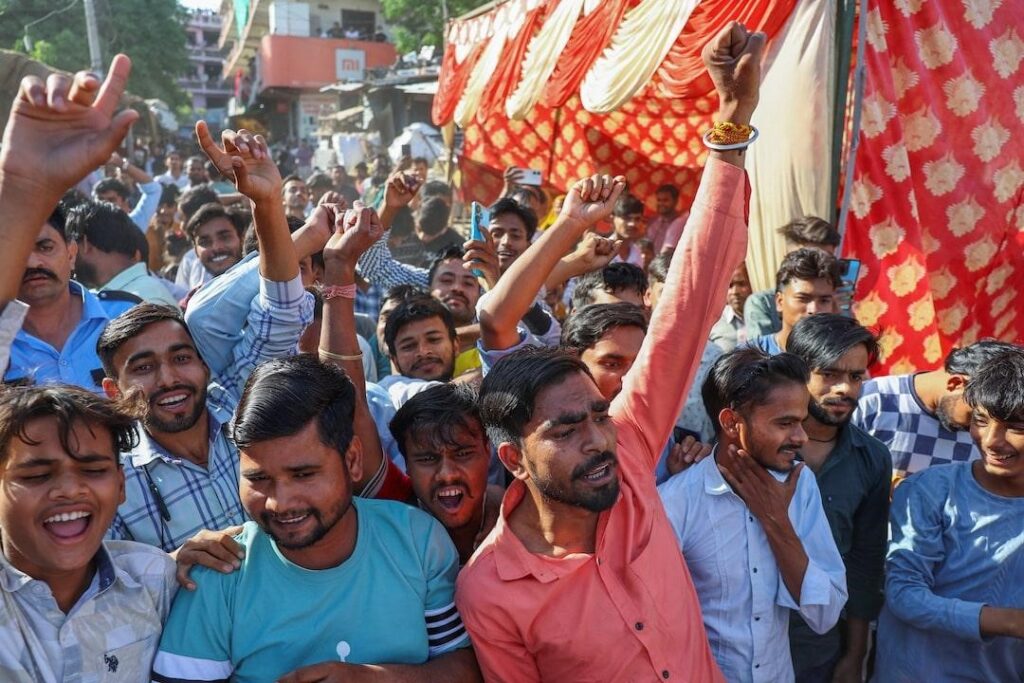
Causes behind rising industrial protests
- Rising living costs: LPG price surge and inflation increased financial stress, especially for informal workers dependent on irregular incomes and black-market purchases of essential goods.
- Wage stagnation: Slow wage growth compared to inflation reduced real incomes, making existing minimum wages insufficient to sustain basic urban living standards.
- Labour code expectations: WhatsApp misinformation regarding wage hikes under new labour codes created expectations, leading to frustration when actual wages did not increase accordingly.
- MSME sector stress: Economic shocks like GST transition, COVID-19 pandemic, and global trade disruptions weakened MSMEs, reducing job creation and wage growth.
- Poor working conditions: Long working hours without overtime pay, lack of safety, and absence of basic facilities intensified dissatisfaction among workers.
Implications for labour economy and governance
- Informal sector vulnerability: Unorganised workers remain highly exposed to economic shocks due to absence of social security and formal wage protection mechanisms.
- State intervention: Minimum wage hikes indicate reactive policymaking rather than structural reforms addressing long-term labour market challenges.
- Industrial relations strain: Worker-employer conflict may affect productivity, investment climate, and stability of industrial clusters in key manufacturing regions.
- Expansion to services: Gig workers and domestic workers joining protests reflects widening labour unrest beyond traditional industrial workforce.
- Data evidence: Rising complaints under Minimum Wages Act highlight systemic issues in wage payments, enforcement gaps, and contractor-based exploitation.
Minimum wages and labour laws in India● Legal framework: Minimum Wages Act, 1948 ensures statutory wage floor for workers across scheduled employments to prevent exploitation. ● Labour codes reform: Code on Wages, 2019 aims to universalise minimum wages and simplify wage-related laws across sectors. ● Informal sector dominance: Majority workforce employed in unorganised sector lacks enforcement of wage laws and social security protections. ● Wage determination: Minimum wages fixed by Centre and States based on skill level, region, and cost of living considerations. ● UPSC relevance: Topic relates to GS Paper III, covering labour issues, informal economy, and inclusive economic development. |


