 India's No.1 PU & Degree With Integrated IAS & IPS(UPSC/PSC) Training College.


India’s Strategic Role in Afghanistan Today
Reassessing India’s Strategic Role in Afghanistan
Syllabus:
GS Paper – 2 India and its Neighbourhood ,Effect of Policies & Politics of Countries on India’s Interests
Why in the News ?
Afghanistan’s Foreign Minister Amir Khan Muttaqi’s visit to India marks a critical juncture in India-Afghanistan relations. The meeting with External Affairs Minister S. Jaishankar focused on reopening the Indian Embassy in Kabul, enhancing economic and humanitarian cooperation, and balancing India’s regional strategy amid evolving great-power competition in West Asia.
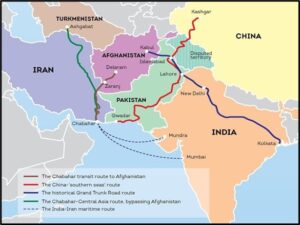
Historical Context of India-Afghanistan Relations :
- Ancient Links: India and Afghanistan share centuries-old civilizational, cultural, and trade ties rooted in history through routes like the Silk Road and shared Buddhist heritage.
- Post-2001 Engagement: Following the fall of the Taliban regime in 2001, India emerged as a major development partner, investing over $3 billion in infrastructure, health, and education projects.
- Strategic Significance: Afghanistan has been central to India’s “Connect Central Asia” policy and serves as a crucial link to Iran’s Chabahar Port and the broader Eurasian region.
- Shift Post-2021: The Taliban’s return to power in August 2021 forced India to recalibrate its engagement, prioritizing humanitarian aid while maintaining a limited diplomatic presence.
- Reopening Embassy: India’s plan to reopen its mission in Kabul, as announced by Jaishankar, signifies a pragmatic adaptation to geopolitical realities without formal recognition of the Taliban.
Key Point :Afghanistan● Capital: Kabul ● Currency: Afghani ● Political Status: Islamic Emirate (Taliban regime since August 2021) ● Major Ethnic Groups: Pashtuns, Tajiks, Hazaras, Uzbeks ● India-Afghanistan Projects: ○ Salma Dam (Herat) ○ Afghan Parliament Building (Kabul) ○ Zaranj-Delaram Highway ● India’s Aid to Afghanistan: Over $3 billion since 2001 ● Key Agreements: ○ India-Afghanistan Strategic Partnership Agreement (2011) ○ Chabahar Port Agreement (India-Iran-Afghanistan, 2016) ● Regional Organisations Involved: SCO, Moscow Format, Heart of Asia – Istanbul Process ● Relevant UN Frameworks: UNAMA (United Nations Assistance Mission in Afghanistan) ● Security Concerns: Cross-border terrorism, TTP activities, Pakistan’s influence, China’s BRI expansion |
India’s Policy Shift and Realistic Diplomacy :
- Pragmatic Re-engagement: India’s current stance reflects a move from idealistic support for the Afghan Republic to realpolitik engagement with the Taliban for safeguarding its strategic interests.
- Non-recognition but Engagement: Appointment of a Chargé d’affaires instead of a full ambassador indicates limited diplomatic reopening without extending formal recognition.
- Strategic Detachment: India aims to avoid being drawn into US-China-Russia rivalries, focusing on stability and connectivity in its western neighbourhood.
- Security Priorities: Jaishankar’s emphasis on the shared threat of cross-border terrorism subtly aligns India and the Taliban against Pakistan-based extremist groups like the TTP.
- Balanced Outreach: India is signaling openness to engage while retaining its autonomous foreign policy, ensuring it doesn’t appear aligned with any single bloc.
Regional Geopolitical Landscape :
- Pakistan’s Dual Role: While Pakistan supported the Taliban’s resurgence, the TTP’s attacks have strained relations, exposing Islamabad’s miscalculation in controlling Afghan policies.
- China’s Expanding Footprint: Beijing’s influence is growing through its Belt and Road Initiative (BRI) and strategic partnership with Pakistan, posing challenges to India’s westward outreach.
- US Withdrawal Fallout: The US exit left a power vacuum in Afghanistan, which regional powers like Russia, China, and Iran are now seeking to fill.
- Russia’s Recognition: Moscow’s diplomatic recognition of the Taliban further complicates India’s balancing act in the region.
- Iran’s Growing Role: Strengthened Iran-Russia-China coordination adds layers of complexity, urging India to assert its independent role in the Afghan theatre.
Economic and Humanitarian Cooperation :
- Sectoral Cooperation: India reaffirmed its commitment to work in food security, healthcare, housing, and education, continuing its people-centric development approach.
- Reviving Projects: Completion of stalled projects like the Salma Dam (India-Afghanistan Friendship Dam) and the Parliament building underscores continuity in development diplomacy.
- Trade and Mining Interests: The Taliban seeks greater Indian involvement in mining, signaling its intent to diversify partnerships beyond China.
- Visa Facilitation: Easing visa regimes for Afghan students and patients is vital for people-to-people ties while ensuring security vetting.
- Humanitarian Focus: India has consistently provided wheat, medicines, and COVID-19 vaccines under the ‘Neighbourhood First’ policy, positioning itself as a dependable partner.
Security Dimensions and Counterterrorism Cooperation :
- Common Security Concerns: Both nations face threats from cross-border terrorism, particularly from Pakistan-backed groups like Lashkar-e-Taiba and Jaish-e-Mohammed.
- Taliban’s Autonomy: Despite Pakistan’s historic patronage, the Taliban is unlikely to allow Islamabad control over its foreign or security policies.
- Shared Threat Perception: India’s stress on joint counterterrorism implicitly acknowledges the Taliban’s own struggle against TTP insurgents operating from Pakistani soil.
- Strategic Leverage: India’s engagement gives it situational awareness in Afghanistan, preventing Pakistan-China encirclement in the region.
- Diplomatic Caution: By avoiding direct military or intelligence commitments, India ensures flexibility and minimizes diplomatic backlash from Western partners.
Challenges :
- Legitimacy Issue: Recognizing the Taliban government remains internationally contentious, with concerns over human rights, especially of women and minorities.
- Security Risks: Taliban-controlled Afghanistan could again become a terror safe haven, threatening Indian interests and regional peace.
- Geopolitical Tug-of-War: India faces pressure from rival power blocs—China-Pakistan-Russia on one side and the US-led Western alliance on the other.
- Limited Access: The absence of direct land connectivity due to Pakistan’s denial restricts India’s trade and logistical outreach.
- Domestic Sensitivities: Engaging the Taliban invites domestic criticism and raises ethical concerns about dealing with a non-democratic regime.
- Unstable Governance: The Taliban’s fragmented internal structure and economic collapse threaten long-term stability, making diplomatic engagement unpredictable.
- Western Hypocrisy: Western nations’ selective stance on human rights, tolerating similar violations in richer states, undermines the global consensus on normative diplomacy.
Way Forward :
- Calibrated Engagement: India must continue non-recognition engagement, focusing on development, humanitarian aid, and security dialogue.
- Regional Coordination: Strengthen ties with Iran, Central Asian republics, and Russia to maintain strategic leverage in Afghanistan.
- Reviving Chabahar Port Link: Fast-tracking Chabahar connectivity can provide India direct access to Afghanistan, bypassing Pakistan.
- Counterterrorism Cooperation: Initiate backchannel talks on intelligence sharing to prevent cross-border militancy and protect Indian assets.
- People-Centric Diplomacy: Expand educational scholarships, healthcare aid, and capacity-building programmes for Afghans to build goodwill.
- Multilateral Forums: Use platforms like the SCO and Moscow Format to shape collective approaches toward Afghan stability.
- Balancing Act: Maintain a neutral stance between Western and Eurasian powers, ensuring India’s strategic autonomy and long-term influence in the region.
Conclusion :
India’s engagement with Afghanistan under the Taliban represents a shift from moral idealism to strategic pragmatism. While challenges remain, maintaining a calibrated presence in Kabul is vital for India to safeguard its security interests, counter regional adversaries, and uphold its influence across its volatile western frontier.
Source : TH
Mains Practice Question :
“India’s re-engagement with the Taliban-led Afghanistan marks a shift toward pragmatic diplomacy driven by strategic necessity.” Discuss the key challenges and policy imperatives for India in balancing its national interests with humanitarian commitments in the evolving geopolitical environment of its western neighbourhood.

