 India's No.1 PU & Degree With Integrated IAS & IPS(UPSC/PSC) Training College.


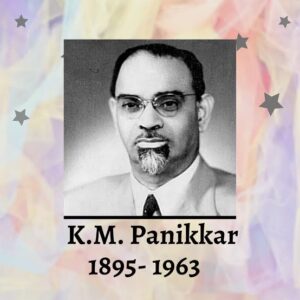
K.M. Panikkar: India’s First Ambassador to China
HOW K.M. PANIKKAR BECAME INDIA’S FIRST AMBASSADOR TO CHINA
Syllabus:
GS Paper – 1 Important Personalities
Why in the News?
The appointment of km panikkar as India’s first ambassador to China in 1947 was a landmark decision by Jawaharlal Nehru that combined diplomatic strategy, personal trust, and vision for Asian solidarity amid geopolitical turbulence. This editorial unpacks the historical context, challenges, and significance of this decision in post-colonial India’s foreign policy and early China-India relations, focusing on the pursuit of peace and tranquility between the two nations through confidence building measures.
Historical Context of Appointment
- Post-war Transition: km panikkar’s appointment came at a time when China had emerged victorious from WWII, while India was on the cusp of independence and partition. The Muslim League’s demands for a separate state added complexity to India’s political landscape.
- Chinese Revolution: The Chinese Communist Party’s rise under Mao Zedong was changing the power dynamics in China during this transitional period, marking a significant shift in Chinese foreign policy. This shift would later influence interactions between km panikkar and key Chinese leaders like Zhou Enlai.
- Tibet Policy: The unresolved issues over Tibet’s sovereignty added complexity to Sino-Indian relations, influencing diplomatic priorities and foreshadowing future boundary questions. This situation required careful risk management in India’s approach to China, emphasizing the need for confidence building measures.
- Limited Diplomats: Newly independent India faced a severe shortage of trained diplomats, with only about five qualified personnel available for crucial foreign posts. This scarcity highlighted the need for special representatives like km panikkar and other influential figures such as V.K. Krishna Menon to fill critical roles.
- Nehru’s Vision: Nehru aimed to forge a pan-Asian alliance linking the Middle East and China with India as the central power hub, shaping the foundations of Indian foreign policy and promoting Afro-Asian solidarity. This vision would later manifest in initiatives like the Bandung Conference and India’s aspirations for a seat on the Security Council.
Nehru’s Choice: Trust Over Tradition
- Personal Trust: Nehru had known Kavalam Madhava Panikkar, commonly referred to as km panikkar, since the 1920s through intellectual circles and journalism, valuing his intelligence and federalist ideals. This trust was crucial in navigating the complex landscape of princely states during India’s transition to independence.
- Public Man: Nehru preferred appointing “public men” rather than career diplomats, believing they would better represent India’s postcolonial identity in international relations. This approach was influenced by experiences like the Cripps Mission, which highlighted the need for diplomats who understood India’s unique position.
- Endorsements: km panikkar’s appointment was supported by influential figures including Nehru’s sister, Vijaya Lakshmi Pandit, and other Congress Party leaders.
- Non-colonial Approach: Nehru avoided diplomats with British colonial ties, seeking ambassadors who aligned with India’s independent foreign policy vision. This strategy aimed to address the status competition India faced in the international arena.
- Academic & Cultural Fit: km panikkar’s knowledge of history, foreign policy, and regional studies suited India’s needs in building diplomatic ties with China and fostering bilateral relations, including economic cooperation. His expertise in the Indian Navy’s strategic role also informed his diplomatic approach.
Challenges of Early Diplomacy
- Manpower Crisis: India’s diplomatic corps was too small to meet demands; km panikkar’s appointment reflected a stopgap measure due to resource constraints. This situation required innovative approaches to risk management in diplomatic staffing.
- Controversial Choices: Alongside km panikkar, other unusual appointments like Asaf Ali to Washington, Orlando Mazzotta to Italy, and Ganga Singh to various posts highlighted India’s initial struggle to staff missions. Krishna Menon, another key figure in India’s early diplomacy, would later play a significant role in shaping foreign policy.
- Geopolitical Complexity: India had to navigate tensions between Nationalist China and emerging communist forces during a volatile civil war, requiring nuanced strategic thinking within the strategic triangle of India, China, and other regional powers.
- Visa Disputes: Early diplomatic disagreements included issues like granting visas to Chinese officials traveling through India to Tibet, highlighting the need for confidence building measures and addressing threat perceptions on both sides.
- Uncertain Alliances: India balanced between respecting Chinese interests and protecting its own strategic position in Tibet, laying the groundwork for future China-India relations and addressing the boundary question. This delicate balance required careful management to avoid strategic miscalculation and emphasized the importance of confidence building measures.
Significance of Luo Jialun’s Ambassadorship
- China’s Gesture: China’s appointment of Luo Jialun to India symbolized mutual respect and support between Asian neighbours, emphasizing common interests and the potential for cooperation on human rights issues.
- Academic Background: Luo was more a scholar than a traditional diplomat, entrusted due to his expertise on Tibet and frontier affairs. This approach mirrored India’s selection of km panikkar.
- Chiang Kai-shek’s Directive: Luo was personally briefed to prioritise China’s interests while respecting India’s strategic stakes, highlighting the complex nature of bilateral relations.
- Cultural Diplomacy: Luo’s tenure focused on building ties through civilisational and academic exchanges, enhancing bilateral relations and regional security. This approach aimed to reduce the risk of military coercion between the two nations and foster confidence building measures.
- Short-lived Mission: Despite high hopes, Luo’s ambassadorship was brief and fraught with political uncertainties in China due to the ongoing Chinese revolution.
K.M. Panikkar’s Diplomatic Legacy
- Multiple Roles: km panikkar wore many hats — historian, public intellectual, and diplomat — shaping India’s early foreign policy and approach to international relations. His background in security studies and naval strategy also informed his diplomatic approach, particularly in addressing threat perceptions.
- Strategic Vision: His appointment aligned with Nehru’s ambition to position India as a leading Asian power in the global south, promoting peace and tranquility in the region. This vision included efforts to address status competition among newly independent nations.
- Realpolitik vs Idealism: km panikkar navigated the difficult balance between Nehru’s idealistic vision and ground realities of regional politics, including the evolving Chinese foreign policy under leaders like Zhou Enlai. This required careful management of confidence building measures.
- Foundation Builder: His tenure laid the groundwork for future India-China relations, despite looming challenges in bilateral ties and the need for border negotiations. km panikkar’s efforts paved the way for future confidence building measures between the two nations and the establishment of special representatives for border talks.
- Public Engagement: km panikkar’s background enabled him to communicate India’s vision both domestically and internationally, fostering understanding of India’s strategic autonomy and its role in regional security. This included addressing concerns about potential military coercion in the region and promoting confidence building measures.
Lessons for Contemporary Diplomacy
- Resource Constraints: India’s initial diplomatic shortages highlight the importance of building skilled foreign service cadres and developing effective risk management strategies in diplomatic appointments.
- Personal Trust Matters: Nehru’s reliance on trusted individuals rather than formal structures shaped India’s early diplomatic style, emphasizing the role of special representatives in critical missions.
- Contextual Adaptation: Flexibility in appointments helped India manage complex postcolonial challenges in international relations and address power asymmetry. This approach remains relevant in navigating modern diplomatic complexities.
- Balancing Interests: Diplomatic appointments must reconcile national interest with regional sensitivities, especially in fostering peaceful coexistence and economic cooperation. This includes addressing issues of status competition and threat perception through confidence building measures.
- Legacy of Leadership: km panikkar’s career exemplifies how individual diplomats can influence national narratives and foreign policy, contributing to the development of strategic thinking and policy recommendations. His expertise in regional studies and the Indian Ocean strategy continued to influence India’s diplomatic approach long after his tenure, particularly in avoiding strategic miscalculation in regional affairs and promoting confidence building measures.
Conclusion
km panikkar’s appointment as India’s first ambassador to China was a blend of strategic foresight, personal trust, and the urgent need to assert India’s postcolonial identity on the global stage. His legacy, along with that of other influential figures like Krishna Menon, underscores the critical role of diplomacy shaped by both idealism and pragmatism in India’s formative years, setting the tone for future China-India relations and India’s approach to international relations. km panikkar’s efforts in promoting confidence building measures and addressing the boundary question continue to influence the ongoing dialogue between these two Asian giants. His contributions to India’s diplomatic corps and strategic thinking laid the foundation for India’s engagement with the international community and its evolving role in regional and global affairs, including its aspirations for a permanent seat on the Security Council.
SOURCE : MINT
Mains Practice Question
Discuss how km panikkar’s appointment as India’s first ambassador to China reflects the challenges and opportunities of India’s early post-independence foreign policy and its impact on bilateral relations, particularly in addressing regional security concerns and promoting economic cooperation through confidence building measures.

