 India's No.1 PU & Degree With Integrated IAS & IPS(UPSC/PSC) Training College.


Amit Shah Honors Raja Rammohan Roy’s Legacy
Union Home Minister Amit Shah Honors Raja Rammohan Roy’s Legacy
Why in the News ?
Union Home Minister Amit Shah paid tribute to Raja Rammohan Roy on his birth anniversary, highlighting his contributions to social reform, education, language development, and the foundation of modern India.
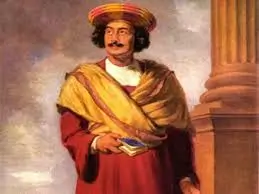
Contributions of Raja Rammohan Roy
- Raja Rammohan Roy is regarded as one of the foremost pioneers of the Indian Renaissance and modern social reform movements.
- Through the establishment of the Brahmo Samaj, he campaigned against social superstitions, blind faith, and discriminatory social practices.
- He strongly opposed practices such as Sati, caste rigidity, and social inequalities affecting women.
- Raja Rammohan Roy promoted modern education and encouraged the study of science, rationalism, and liberal thought in India.
- His work Gaudiya Vyakarana contributed to the development and intellectual enrichment of the Bengali language.
Tribute by the Union Home Minister
- Home Minister Amit Shah praised Raja Rammohan Roy’s role in strengthening the foundations of modern Indian society and governance.
- He stated that Roy’s ideas continue to inspire nation-building, social awakening, and progressive reforms.
- The Minister highlighted Roy’s efforts in the fields of education, public administration, and social transformation.
- Raja Rammohan Roy’s reformist vision is considered important in promoting equality, rationalism, and human dignity in Indian society.
- His contributions remain influential in shaping debates on social justice and modernization in India.
About Raja Rammohan Roy and Reform Movements:● Raja Rammohan Roy was born in 1772 and is often called the “Father of Modern India”. ● He founded the Brahmo Samaj in 1828 to promote monotheism, social reform, and rational thinking. ● Raja Rammohan Roy played a major role in the abolition of the Sati system through sustained social campaigns. ● He advocated freedom of the press, women’s rights, widow remarriage, and modern Western education. ● The 19th-century social reform movements in India laid the foundation for later nationalist and democratic developments in the country. |


