India's No.1 PU & Degree With Integrated IAS & IPS(UPSC/PSC) Training College.


Maharashtra Gives Women Farmers Legal Rights
Maharashtra Empowers Women Farmers Through Landmark Legal Recognition
Syllabus:
GS-2: Welfare Schemes , Issues Related to Women, Government Policies & Interventions
Why in the News ?
Maharashtra has become the first Indian State to enact a dedicated law for the empowerment of women farmers through the Maharashtra Women Farmer Empowerment Act, 2026.The Act formally recognizes women as farmers irrespective of land ownership and aims to improve access to credit, insurance, markets, government schemes, and decision-making.It marks a significant step towards gender-inclusive agricultural development and social justice.
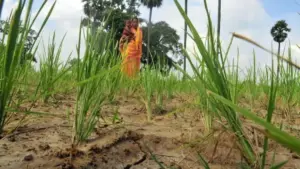
Background and Need for the Law:
- Women constitute the backbone of Indian agriculture, contributing extensively to cultivation, livestock, fisheries, forestry, seed preservation, and post-harvest processing.
- Despite performing a majority of agricultural operations, women are often regarded merely as “helpers” rather than farmers.
- Recognition and benefits in agriculture are generally linked to land ownership, which predominantly remains with men.
- Consequently, women face barriers in:
○ Accessing institutional credit.
○ Crop insurance.
○ Agricultural extension services.
○ Modern technology.
○ Government subsidies.
○ Market linkages.
- International Year of the Woman Farmer (2026) highlights the need for fair, inclusive and sustainable agrifood systems within a rules-based international order that promotes gender equality.
- Maharashtra’s law seeks to bridge this long-standing gender gap by granting formal recognition to women farmers through strategic alignment with national agricultural policies.
Understanding Women in Indian Agriculture:
- Women constitute nearly half of India’s agricultural workforce.
- Major contributors to:
○ Crop production.
○ Livestock.
○ Fisheries.
○ Horticulture.
○ Seed conservation.
○ Post-harvest processing.
- Yet land ownership remains disproportionately low, reflecting economic interdependence patterns where women’s contributions remain undervalued.
Important Constitutional Provisions
- Article 14 – Equality before law.
- Article 15(3) – Special provisions for women.
- Article 16 – Equality of opportunity.
- Article 21 – Right to livelihood (judicial interpretation).
- Article 39(a) – Equal right to livelihood.
- Article 39(d) – Equal pay for equal work.
- Article 46 – Promotion of weaker sections.
- Article 51A(e) – Duty to renounce practices derogatory to women’s dignity.
Important Acts
- Maharashtra Women Farmer Empowerment Act, 2026
- Hindu Succession (Amendment) Act, 2005 – Equal inheritance rights for daughters.
- Protection of Women from Domestic Violence Act, 2005
- MGNREGA Act, 2005 – Employment opportunities including women workers.
Important Policies
- National Policy for Farmers, 2007
- Fourth State Policy for Women (Maharashtra), 2024
- National Policy for Women (draft initiatives)
Related Government Schemes
- PM-KISAN
- Kisan Credit Card (KCC)
- PM Fasal Bima Yojana (PMFBY)
- National Rural Livelihoods Mission (NRLM)
- Deendayal Antyodaya Yojana
- Rashtriya Krishi Vikas Yojana (RKVY)
- e-NAM
- Soil Health Card Scheme
Important Facts :
- Maharashtra is the first State to enact a dedicated law for women farmers.
- Woman Farmer Certificate (WFC) provides legal recognition without requiring land ownership.
- The Act follows the National Policy for Farmers (2007).
- It establishes a Digital Registry and Women Farmer Empowerment Fund.
- Monitoring is headed by the Chief Secretary, while policy oversight is provided by the Chief Minister-led Governing Council.
- 2026 has been observed as the International Year of the Woman Farmer.
Why Maharashtra Took the Initiative
- Maharashtra has a long tradition of social reform movements promoting women’s rights.
- Reformers like:
○ Savitribai Phule
○ Mahatma Jyotirao Phule
○ Maharshi Dhondo Keshav Karve
○ Pandita Ramabai
○ Lokhitwadi Gopal Hari Deshmukh
○ Gopal Ganesh Agarkar
played a pioneering role in gender equality.
- The Fourth State Policy for Women (2024) committed to:
○ Gender-inclusive agricultural development.
○ Women’s access, ownership and control over productive assets.
○ Better participation in agricultural decision-making.
○ Greater control over agricultural income.
- Maharashtra therefore built upon existing policy commitments to create a dedicated legislation through strategic partnerships with civil society and research institutions.
Status of Women Farmers in Maharashtra
- According to the Periodic Labour Force Survey (PLFS):
○ Around 82% of rural women are engaged in agriculture.
○ Around 58% of rural men are engaged in agriculture.
- However,
○ Less than 20% of operational landholdings are owned by women.
- Women contribute significantly in:
○ Crop cultivation.
○ Dairy.
○ Animal husbandry.
○ Poultry.
○ Fisheries.
○ Agro-forestry.
○ Seed preservation.
○ Post-harvest processing.
- Despite their contribution, women remain largely invisible in official agricultural records, facing strategic competition for recognition and resources.
Salient Features of the Maharashtra Women Farmer Empowerment Act, 2026
- The Act adopts a broad definition of:
○ Farmer
○ Agriculture
- It follows the principles of the National Policy for Farmers, 2007.
- Agriculture includes:
○ Crop farming.
○ Horticulture.
○ Animal husbandry.
○ Poultry.
○ Fisheries.
○ Agro-forestry.
○ Vermiculture.
○ Mushroom cultivation.
○ Primary processing.
- A woman engaged in any agricultural activity can apply for a:
○ Woman Farmer Certificate (WFC).
- Applications can be submitted through:
○ Gram Sabha.
○ Nagar Panchayat.
- Most importantly,
○ Land ownership is no longer mandatory for legal recognition as a farmer.
Institutional Mechanism for Implementation
- The Act establishes:
○ A digital registry of women farmers.
○ A dedicated Women Farmer Empowerment Fund.
- Designated officers at:
○ District level.
○ State level.
- Monitoring structure includes:
○ State-level Monitoring Committee headed by the Chief Secretary.
○ Governing Council headed by the Chief Minister.
- Extensive stakeholder consultations through diplomatic engagement included:
○ Women farmers.
○ Civil society organisations.
○ Researchers.
○ Lawyers.
○ Bankers.
○ Government officials.
- The M.S. Swaminathan Research Foundation (MSSRF) and Vidhi Centre for Legal Policy assisted in drafting the legislation through strategic partnerships that ensured multilateral engagement across sectors.
Expected Benefits of the Law
- Formal recognition of women as farmers.
- Improved access to:
○ Institutional credit.
○ Crop insurance.
○ Agricultural extension services.
○ Technology.
○ Government welfare schemes.
○ Skill development.
○ Market opportunities.
- Better targeting of gender-responsive agricultural policies.
- Enhanced economic independence through regional economic integration of women into formal agricultural value chains.
- Greater participation in household and farm decision-making.
- Recognition of unpaid agricultural labour.
- Improved rural livelihoods.
- Promotion of inclusive agricultural growth.
- Stronger food and nutritional security through a cooperative security framework.
- Better adaptation to climate change through women’s leadership.
Wider Significance for Agriculture and Gender Equality
- The law acknowledges that women are:
○ Food producers.
○ Natural resource managers.
○ Climate adaptation leaders.
- Male migration to urban areas has increased women’s responsibility in agriculture.
- Women increasingly manage:
○ Farms.
○ Water resources.
○ Household nutrition.
- Formal recognition strengthens:
○ Social justice.
○ Inclusive governance.
○ Sustainable agriculture.
- The legislation can serve as a model for other Indian States through a regional engagement strategy that promotes knowledge sharing.
- It aligns with:
○ Sustainable Development Goals (SDGs).
○ Gender equality.
○ Climate resilience.
○ Inclusive rural development.
○ Indo-Pacific strategy for sustainable agricultural development in the broader regional context.
Challenges:
- Low awareness among rural women regarding legal provisions and entitlements.
- Patriarchal social norms may discourage women from independently claiming farmer status.
- Limited digital literacy could hinder registration in the digital database.
- Administrative delays in issuing Woman Farmer Certificates.
- Inadequate coordination among departments such as agriculture, revenue, rural development, and banking, requiring better strategic alignment.
- Banks may continue preferring land titles while extending loans.
- Existing agricultural databases may not be updated quickly.
- Weak monitoring mechanisms could reduce implementation effectiveness.
- Budgetary constraints may limit the operationalization of the Women Farmer Empowerment Fund.
- Women tenant farmers and agricultural labourers may still face documentation challenges.
- Limited representation of women in agricultural cooperatives and Farmer Producer Organisations (FPOs).
- Climate risks, declining groundwater, and shrinking farm incomes may reduce the effectiveness of legal recognition alone.
- Resistance from traditional institutions could slow behavioural change.
- Need for periodic evaluation to ensure intended beneficiaries actually receive benefits.
Way Forward:
- Launch statewide awareness campaigns regarding women’s agricultural rights.
- Ensure time-bound issuance of Woman Farmer Certificates.
- Integrate WFC with:
○ PM-KISAN (where eligible).
○ Kisan Credit Card.
○ Crop insurance.
○ Soil Health Card.
○ Agricultural extension services.
- Expand women’s participation in:
○ Farmer Producer Organisations.
○ Cooperatives.
○ Water User Associations.
- Provide gender-sensitive agricultural extension and digital literacy training.
- Promote joint land ownership through incentives and awareness.
- Encourage banks to recognise WFC while assessing agricultural credit eligibility.
- Strengthen convergence among agriculture, revenue, banking, rural development, and women & child departments through enhanced strategic alignment and economic interdependence frameworks.
- Regular monitoring through measurable performance indicators.
- Create district-level grievance redress mechanisms.
- Support women entrepreneurs in agro-processing and value addition.
- Promote climate-resilient farming practices led by women.
- Replicate Maharashtra’s model across other States through central guidance and knowledge sharing via a regional engagement strategy.
- Continuously review implementation based on feedback from women farmers and civil society organisations through multilateral engagement platforms.
- Develop regional security architecture for food security that protects farmers’ interests and ensures livelihood security.
Conclusion:
The Maharashtra Women Farmer Empowerment Act, 2026 marks a transformative shift from viewing women as agricultural helpers to recognising them as farmers in their own right. By delinking farmer status from land ownership, the law promotes gender justice, inclusive rural development, and climate-resilient agriculture through strategic partnerships and cooperative frameworks, offering a replicable model for the rest of India and contributing to broader Indo-Pacific strategy goals of sustainable development and regional economic integration.
Source: IE
Mains Practice Question:
“Legal recognition of women farmers is essential for achieving gender justice, agricultural productivity, and sustainable rural development.” Examine this statement in the context of the Maharashtra Women Farmer Empowerment Act, 2026, and discuss how similar reforms can strengthen inclusive agricultural governance across India through strategic competition mitigation and enhanced regional security cooperation.