India's No.1 PU & Degree With Integrated IAS & IPS(UPSC/PSC) Training College.


India Tops Global Pesticide Toxicity Rankings
INDIA AMONG TOP CONTRIBUTORS TO GLOBAL PESTICIDE TOXICITY
Why in the News?
- Global Study Findings: New study published in Science reports India among four countries contributing nearly 70% of global Total Applied Toxicity (TAT) from pesticides.
- Biodiversity Commitment: Findings raise concerns over progress toward UN Biodiversity pledge to reduce pesticide risk by 50% by 2030.
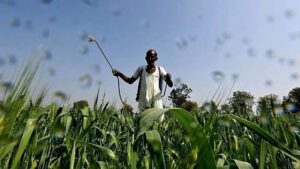
PESTICIDE TOXICITY AND ENVIRONMENTAL IMPACT
- High Contribution: India, along with China, Brazil, and the U.S., accounts for majority share of global pesticide-induced toxicity burden.
- Non-Target Damage: Toxicity significantly impacts terrestrial arthropods, soil organisms, aquatic species, and pollinators, disrupting ecosystems and threatening a pollution free environment.
- Crop Intensification: Extensive use on fruits, vegetables, rice, maize, soybean, and cereals drives elevated toxicity levels.
- Human Exposure: Persistent pesticide residues permeate food, water, household products, and public spaces, posing public health risks.
- Data Deficit: Study emphasises need for transparent, ingredient-wise annual reporting of pesticide usage.
REGULATORY GAPS AND POLICY CHALLENGES
- Outdated Legislation: Insecticides Act, 1968 primarily addresses agricultural use, lacking robust provisions for non-agricultural exposure and comprehensive environmental impact assessment.
- Clearance Concerns: India reportedly uses several pesticides prohibited in other countries, raising regulatory harmonisation concerns and highlighting gaps in environmental clearance processes for agrochemicals.
- Upcoming Reform: Pesticides Management Bill, 2025 seeks to promote safer and biological alternatives while addressing retrospective environmental clearances and ex post facto approvals.
- Liability Framework: Experts highlight absence of strong accountability and compensation mechanisms for environmental damage, emphasising need to enforce the polluter pays principle.
- Agricultural Model: Overreliance on Green Revolution input-intensive practices contributes to ecological degradation and farmer distress.
ENVIRONMENTAL GOVERNANCE AND CHEMICAL REGULATION● Sustainable Agriculture: Transition toward integrated pest management and bio-pesticides is central to ecological sustainability. ● Biodiversity Commitments: Global conventions mandate reduction in chemical risks to biodiversity and ecosystem services. ● Precautionary Principle: Environmental jurisprudence incorporates precaution in regulating hazardous substances and pollutants, as reinforced by the Vanashakti judgment. ● Regulatory Framework: Comprehensive environmental regulation requires integration of EIA Notification, Forest Conservation Act, Coastal Regulation Zone norms, and environmental democracy principles. ● Health-Environment Nexus: Chemical exposure links environmental degradation with public health governance. ● UPSC Relevance: Topic aligns with GS Paper III, covering environmental protection, agriculture policy, and sustainable development. |