 India's No.1 PU & Degree With Integrated IAS & IPS(UPSC/PSC) Training College.


WHY POLICY NEEDS TO FOCUS ON GENDER WEALTH INEQUALITY
WHY POLICY NEEDS TO FOCUS ON GENDER WEALTH INEQUALITY
Syllabus:
GS 1:
● Role of Women
● Inequality
● Social empowerment
● Issues related to women
Why in the News?
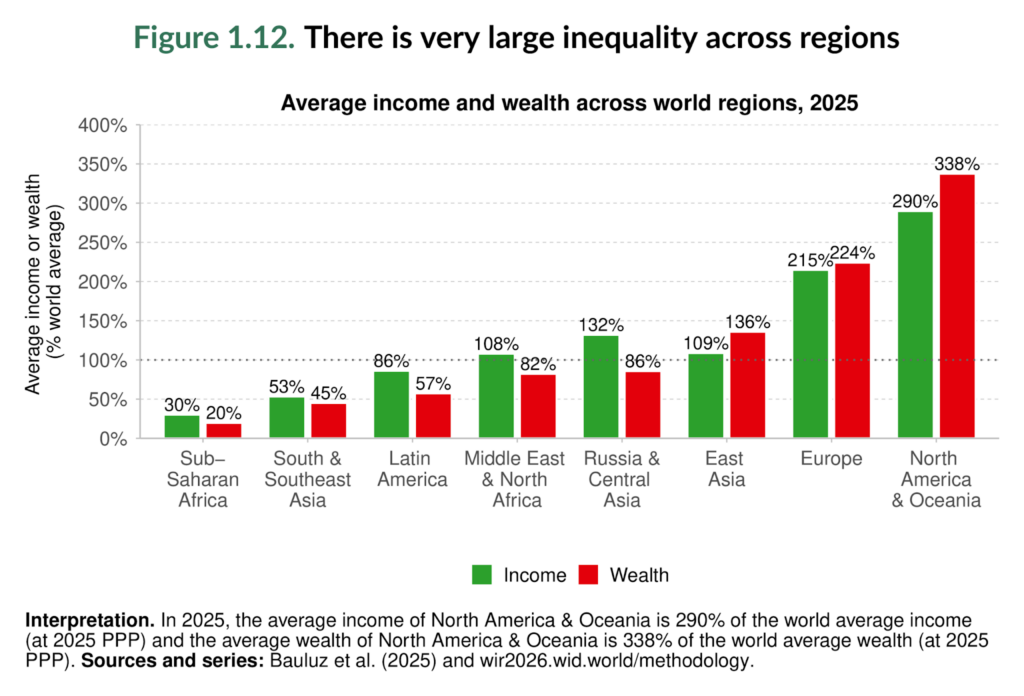
The World Inequality Report (WIR) 2026 and the United Nations report ‘Counting What Counts’ (2026) have renewed discussions on gender inequality through multilateral engagement and diplomatic engagement. However, while both reports extensively analyse inequalities in the labour market, they pay very little attention to gender wealth inequality, highlighting the need for policies that address women’s ownership of land, property, and productive assets alongside employment. As India strengthens its position within the indo-pacific strategy framework and navigates strategic competition between major powers, addressing gender wealth inequality becomes crucial for inclusive development.
ABOUT WOMEN’S PROPERTY RIGHTS IN INDIA
● Constitutional Framework: Articles 14, 15, and 21 guarantee equality before law, prohibit gender discrimination, and uphold the dignity and liberty of every individual, aligning with the rules-based international order.
● Hindu Succession (Amendment) Act, 2005: The amendment grants daughters equal coparcenary rights in ancestral property, strengthening women’s legal rights over inherited assets within the cooperative security framework.
● Agricultural Land Rights: Since agricultural land is regulated by State laws, women’s access to agricultural property continues to vary significantly across different regions of India, requiring regional engagement strategy for effective implementation.
● Financial Inclusion: Ownership of property enhances women’s ability to obtain bank credit, establish enterprises, access institutional finance, and participate more effectively in economic activities, contributing to regional economic integration.
● Global Commitments: Strengthening women’s ownership of assets directly supports Sustainable Development Goal (SDG) 5 (Gender Equality) and SDG 10 (Reduced Inequalities) while promoting inclusive economic development through strategic partnerships and economic interdependence with global institutions.
GENDER WEALTH INEQUALITY
● Hidden Inequality: Most global reports measure women’s economic status through employment, wages, and labour force participation, while ignoring inequality in wealth, land ownership, property, and productive assets, thereby underestimating the true extent of women’s economic disadvantage. This oversight persists even as nations like us and china engage in strategic competition over development models.
● Beyond Labour Markets: Women’s economic empowerment cannot be understood solely through their participation in the labour market, because ownership of assets provides long-term economic security, bargaining power, financial resilience, and opportunities that employment income alone cannot ensure, particularly within the evolving indo-pacific strategy context.
● Structural Disadvantage: Wealth inequality reflects deep-rooted structural issues such as unequal inheritance practices, discriminatory property rights, limited access to productive resources, and historical social norms that continue to favour men in ownership of assets, requiring strategic alignment with international best practices.
● Policy Blind Spot: By focusing almost exclusively on labour market outcomes, policymakers overlook one of the largest sources of gender-based inequality, resulting in development policies that fail to address the unequal distribution of economic resources within households, despite India’s growing role in the quad partnership and regional security architecture.
● Inclusive Development: Addressing gender wealth inequality is essential for achieving inclusive growth, reducing poverty, promoting women’s economic independence, and fulfilling the constitutional promise of social and economic justice within the broader indo-pacific strategy framework.
IMPORTANCE OF WOMEN’S ASSET OWNERSHIP
● Household Welfare: Extensive empirical research across developing countries shows that when women own land, housing, or other productive assets, families experience better outcomes in nutrition, healthcare, children’s education, and overall household well-being than when assets are owned solely by men, contributing to regional security cooperation through enhanced social stability.
● Economic Security: Ownership of productive assets provides women with long-term financial stability, reducing dependence on family members and protecting them against poverty arising from widowhood, divorce, marital breakdown, or economic shocks, strengthening the foundation for economic interdependence.
● Social Empowerment: Women possessing independent assets enjoy greater decision-making power within households, stronger bargaining positions, and significantly lower risks of domestic violence, social exclusion, and economic exploitation, aligning with asean centrality principles of human development.
● Intergenerational Benefits: Women’s ownership of wealth contributes to higher investments in children’s human capital, creating positive intergenerational effects through better educational attainment, improved health outcomes, and enhanced future productivity within the indo-pacific strategy’s human capital development goals.
● Development Multiplier: Asset ownership not only improves women’s economic status but also generates broader developmental benefits by strengthening household resilience, encouraging productive investments, and reducing multidimensional poverty through defense cooperation agreements that prioritize human security.
WOMEN, AGRICULTURE, AND PRODUCTIVE ASSETS
● Agricultural Dependence: In India, a significant proportion of women workers are engaged in agriculture, either as cultivators, unpaid family workers, or self-employed farmers, making ownership of agricultural assets crucial for their livelihoods and regional economic integration.
● Informal Workforce: According to the Periodic Labour Force Survey (PLFS) 2023-24, nearly 86% of women workers are employed in the informal sector, where income generation depends largely upon ownership of productive resources rather than wage employment, highlighting the need for regional security cooperation in economic development.
● De Facto Farmers: Increasing migration of male workers from rural areas has resulted in women becoming de facto farm managers, yet many continue cultivating land without possessing legal ownership rights, a challenge requiring multilateral engagement for resolution.
● Land Ownership Gap: Surveys such as the National Family Health Survey (NFHS) and other national datasets consistently indicate that women own agricultural land in only a small percentage of rural land-owning households, despite their substantial contribution to farming activities and the indo-pacific strategy’s emphasis on agricultural sustainability.
● Higher Productivity: Studies by organisations such as the Food and Agriculture Organization (FAO) demonstrate that equal access to land, credit, technology, irrigation, and agricultural inputs substantially improves farm productivity, food security, and agricultural growth, supporting strategic alignment with global development frameworks.
LIMITATIONS OF CURRENT MEASURES
● Labour-Centric Assessment: Global inequality reports generally assess women’s economic progress using indicators such as Female Labour Force Participation (FLFP), wage differentials, and employment rates, leaving wealth ownership largely unmeasured despite diplomatic engagement on gender issues.
● Incomplete Earnings Measures: Reliance on hourly earnings as the principal indicator fails to adequately capture the economic contributions of women engaged in self-employment, agriculture, family enterprises, and informal occupations within the regional engagement strategy.
● Invisible Productive Work: Women’s unpaid labour on family farms, household businesses, livestock management, and other productive activities often remains statistically invisible despite generating significant economic value and contributing to economic interdependence.
● Ignoring Inheritance: Wealth accumulation depends substantially on inheritance, property transfers, and capital ownership rather than wages alone, making labour market indicators insufficient to explain economic inequality in the context of strategic competition for inclusive development models.
● Measurement Deficit: Failure to collect gender-disaggregated wealth data creates serious gaps in policy formulation, preventing governments from designing effective interventions to reduce economic inequality between men and women, despite commitments under the rules-based international order.
POLICY CHALLENGES
● Limited Data Availability: Many countries still lack comprehensive gender-disaggregated data on ownership of land, housing, financial assets, and productive capital, making policy design difficult and hindering regional security architecture development.
● Inheritance Inequality: Despite legal reforms, customary practices and social norms continue to restrict women’s access to inheritance, ancestral property, and agricultural land, requiring cooperative security framework approaches.
● Financial Constraints: Limited ownership of collateral assets reduces women’s access to institutional credit, insurance, entrepreneurship, and investment opportunities, affecting regional economic integration efforts.
● Institutional Bias: Development programmes continue prioritising employment generation while giving comparatively little attention to strengthening women’s ownership of productive resources, despite strategic partnerships with international development agencies.
● Intra-Household Inequality: Household wealth statistics often conceal unequal ownership patterns within families, making gender disparities invisible in conventional economic analysis and multilateral engagement frameworks.
WAY FORWARD
● Strengthen Property Rights: Ensure effective implementation of inheritance laws, promote legal awareness, and eliminate discriminatory practices restricting women’s ownership of land and property through diplomatic engagement and international cooperation.
● Improve Data Systems: Establish comprehensive national databases capturing gender-disaggregated information on land ownership, housing, financial assets, and productive capital to support evidence-based policymaking aligned with the indo-pacific strategy’s development priorities.
● Expand Financial Access: Promote women’s access to credit, insurance, digital finance, and entrepreneurship through asset-backed lending and targeted financial inclusion programmes, strengthening economic interdependence and regional stability.
● Promote Joint Ownership: Encourage registration of joint land titles, housing ownership, and productive assets in the names of both spouses to enhance women’s economic security within the cooperative security framework.
● Integrate Wealth Indicators: National and international inequality reports should incorporate gender wealth indicators alongside labour market statistics to provide a more comprehensive understanding of women’s economic status, supporting strategic alignment with global development goals and the rules-based international order.
CONCLUSION
Achieving genuine gender equality requires moving beyond labour market indicators to recognise the central role of wealth ownership in women’s economic empowerment. Secure access to land, property, financial assets, and productive resources strengthens women’s autonomy, improves household welfare, enhances agricultural productivity, and promotes inclusive development. Policymaking must therefore address both labour market inequality and wealth inequality simultaneously to create a more equitable and resilient economy. As India navigates the complexities of strategic competition and strengthens its position within the quad partnership and broader regional engagement strategy, addressing gender wealth inequality becomes not just a domestic imperative but a strategic priority that enhances national development and contributes to regional security cooperation and stability.
SOURCE:
Indian Express
MAINS PRACTICE QUESTION
Women’s ownership of productive assets is as important as labour force participation in achieving substantive gender equality.” Discuss the significance of gender wealth inequality in India’s development process and suggest policy measures to bridge the gender asset gap.

