 India's No.1 PU & Degree With Integrated IAS & IPS(UPSC/PSC) Training College.


Urban Modernity & Asia’s Climate Shocks
Rethinking Urban Modernity: Lessons from Asia’s Extreme Climate Events
Syllabus:
GS 3
● Climate change ● Sustainable urban development
Why in the News
This article examines how recent floods and cyclones across Asia expose a flawed understanding of “modern” urban development. While cities invest in connectivity and infrastructure that signal prosperity, they neglect drainage, slope safety, and climate resilience. By analysing liveability indices, governance patterns, and urban inequality, the article argues for redefining urban progress through resilience, risk-sensitive planning, and people-centred development.
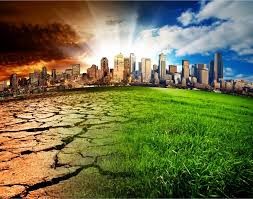
Introduction: The Myth of Uniform Urban Modernity
- India’s metropolitan cities—Mumbai, Delhi, Kolkata, and Chennai—are frequently grouped together in public debates, media narratives, investment reports, and global surveys.
- These cities appear in rankings of global, smart, or liveable cities, creating an illusion that they are comparable in urban capacity, safety, and climate readiness.
- However, anyone who has lived in or observed these cities closely knows that the security they offer during extreme monsoon or cyclone events varies significantly.
- This difference is not accidental but symptomatic of a larger problem in the way modern urban life is measured and valued.
- The recent climate disasters across Sri Lanka, Indonesia, Thailand, and the Philippines expose systemic weaknesses in Asian urban systems—weaknesses not captured by most indices of urban modernity.
- Hence, there is a need to re-evaluate what “modern” means in an era of climate extremes.
Extreme Weather Events in Asia: A Wake-up Call
1. Sri Lanka: Cyclone Ditwah’s Devastation
- Over 400 deaths, thousands displaced. ● Flooding and landslides affected both Colombo and surrounding hill towns integrated into the capital’s economy. ● Demonstrated: ○ Poor preparedness at night-time events ○ Settlements on unstable slopes ○ Inadequate evacuation protocols ○ A lack of climate-sensitive land management
2. Indonesia: Storms Across Sumatra
- Cyclonic storms led to: ○ Flash floods ○ Landslides ○ Villages destroyed in river valleys and steep slopes ● Revealed that grey infrastructure was designed for weaker storms, now obsolete due to climate change.
3. Southern Thailand: Flooded Urbanisation
- Cities like Hat Yai received the heaviest rainfall in centuries. ● Floodwaters rose several metres, submerging homes and commercial areas. ● Fault lines highlighted: ○ Drainage networks overwhelmed ○ Inadequate retention ponds ○ Partial or delayed warnings
4. Philippines: Typhoon Kalmaegi
- Hit Cebu and Visayas region. ● Dozens dead, lakhs displaced. ● Again, a disconnect between rapid urbanisation and risk-proofing emerged.
Why These Cities Suffer: The Hidden Story of Urban Neglect
1. Skewed Priorities in Urban Investment
- Cities invest heavily in: ○ Airports ○ Metro lines ○ Waterfront promenades ○ Flyovers ● These projects signal modernity and attract investors. ● Meanwhile, critical but “invisible” systems such as: ○ Desilting canals ○ Maintaining culverts ○ Updating drainage ○ Enforcing slope stability ○ Removing encroachments ○ Relocating vulnerable communities are politically unglamorous and often ignored.
2. Urban Planning Driven by Rankings
- States and investors use global city indices to distribute funds, favouring: ○ Connectivity ○ Business climate ○ Livability imagery ● Outcomes: ○ Cities appear “world-class” on paper ○ Yet remain vulnerable to basic climate shocks
3. Climate Change Escalates Everyday Vulnerabilities
- Rainfall of 300 mm in 24 hours—once rare—is becoming normal. ● Infrastructure built for 20th-century rainfall patterns collapses under 21st-century extremes.
Fundamental Flaws in Liveability and Modernity Indices
Most global indices—despite good intentions—do not measure climate resilience effectively.
1. The UN-Habitat City Prosperity Index
Evaluates: ● Productivity ● Infrastructure ● Quality of life ● Equity ● Environment ● Governance
Limitations: ● Treats infrastructure as a positive indicator without grading resilience. ● Environmental indicators focus on green cover, not drainage capacity or slope safety.
2. The Global Liveability Index
Scores based on: ● Stability ● Health care ● Culture and environment ● Education ● Infrastructure
Limitations: ● Measures presence of infrastructure, not effectiveness during extreme events. ● Flood-prone but wealthy neighbourhoods can still score high.
3. The City Resilience Index
Focuses on shock recovery.
Limitations: ● Still does not account deeply for: ○ Informal settlements on risky slopes ○ Encroached wetlands ○ Weak municipal capacities ○ Unequal risk distribution
The Invisible Cities: Why Secondary Cities Suffer Most
1. They Are Not Counted in Most Rankings
- Heavy climate impacts occurred in: ○ Hat Yai (Thailand) ○ Cebu (Philippines) ○ Hill towns of Sri Lanka ● These cities do not appear in major global lists. ● Hence, they remain outside the radar of global investors and national policymakers.
2. Secondary Cities Are Urbanising Fastest
- Rapid rural-urban migration ● Expanding peri-urban belts ● Weak planning institutions ● Limited budgets
Result: High exposure + Low preparedness = Multiply amplified disaster risk.
The Inequity Built Into Current Urban Standards
1. Averages Mask Inequality
- City-wide indicators treat all neighbourhoods equally. ● A city may score high even if: ○ Informal colonies are in floodplains ○ Workers live on unstable slopes ○ Drainage coverage is uneven
2. Risk Is Shifted to the Poor
- Infrastructure expansion raises land values. ● But often happens in risky flood-prone areas, advertised as “prosperous zones.” ● Wealthier populations: Have cars, Access better mobility during floods, Use insurance ● Poorer populations: ○ Live in first-hit zones ○ Face home collapse or flooding ○ Lose livelihoods overnight
3. Climate Events Are Not “Equal Opportunity” Disasters
- They disproportionately affect: ○ The poor ○ Migrants ○ Informal workers ○ Women-led households ● Yet current indices do not capture these vulnerabilities.
The Problem with International Funding and Technical Assistance
1. Funding Follows Indicators, Not Risks
- International donors require: ○ Reports ○ Plans ○ Benchmark-based documentation ● Well-resourced large cities meet these easily, hence get funding.
2. Smaller High-Risk Cities Lose Out
- They lack: ○ Data systems ○ Urban planners ○ Mapping capacities ○ Hazard zoning ● So they fail to qualify for large adaptation grants.
3. Projects Become Box-Ticking Exercises
- Designed to satisfy donor scorecards ● Not grounded in local hazard realities ● Leads to infrastructure that looks good on paper but fails in crises
How Modernity Must Be Redefined for a Climate-Changed World
1. Make Climate Resilience Central
Urban modernity must include: ● Drainage adequacy ● Wetland conservation ● Rainwater retention systems ● Slope stabilisation ● Stormwater mapping ● Zero-encroachment zones
2. Include Secondary and Peri-Urban Settlements
- Rankings and indices must expand coverage beyond capital cities. ● Data systems must incorporate: ○ Hill towns ○ River-valley settlements ○ Coastal peri-urban belts
3. Measure What Truly Matters
Cities must be assessed based on: ● Vulnerability mapping ● Percentage of households in high-risk zones ● Preparedness for 100-year rainfall events ● Early warning penetration ● Effectiveness of evacuation routes ● Housing safety on slopes
4. Rebalance Priorities
Move from: ● Visibility-based projects → Safety-critical investments ● One-time infrastructure → Adaptive planning ● Average indicators → Distribution-sensitive metrics
The Way Forward: Building Urban Systems for the Climate Century
1. Urban Governance Reforms
- Empower municipal bodies ● Strengthen local early warning systems ● Mandate climate-risk assessments for all infrastructure ● Implement environmental clearance processes for urban development projects
2. Planning Based on Scientific Data
- Digital elevation models ● Drainage maps ● Rainfall projections ● Landslide susceptibility maps ● Real-time flood modelling ● Environmental Impact Assessment (EIA) for major urban projects
3. Participatory Urban Planning
- Include local communities ● Map informal settlements ● Co-design relocation plans ● Ensure transition support for vulnerable families ● Promote environmental democracy in urban decision-making
4. Invest in Blue-Green Infrastructure
- Restoring wetlands ● Creating retention ponds ● Expanding urban forests ● Reviving rivers and canals ● Promoting permeable pavements ● Adhering to Coastal Regulation Zone norms in coastal cities
5. Climate-proof Building Codes
- Ban construction on: ○ Slopes beyond safe angles ○ Encroached riverbeds ○ Wetlands and marshes ● Mandate flood-resilient housing models ● Incorporate Forest Conservation Act principles in urban green spaces
Conclusion: Urban Modernity Must Mean Urban Safety
- The floods across Asia underscore that modernity defined through airports, metros, and skylines is an illusion when cities crumble under climatic stress. ● Current systems of ranking and measuring cities: ○ Overlook real risks ○ Reward visible infrastructure ○ Ignore inequality ○ Increase vulnerability ● A truly modern city must be resilient, inclusive, and climate-secure. ● India and Asia must shift from image-based development to risk-aware urbanisation, ensuring that “modern life” is not built on fragile foundations. ● This shift requires embracing environmental jurisprudence, the polluter pays principle, and the precautionary principle in urban planning and governance. ● Ex post facto or retrospective environmental clearances should be avoided to ensure sustainable urban development. ● The goal should be to create a pollution-free environment in our cities, aligning with global environmental standards and local needs.
UPSC Mains Practice Question
Q: India’s and Asia’s recent climate-induced urban disasters expose fundamental flaws in the way we define and measure modern urbanisation. Critically examine the shortcomings of global liveability indices and discuss how urban modernity should be redefined in the context of climate resilience. (15 marks)

