 India's No.1 PU & Degree With Integrated IAS & IPS(UPSC/PSC) Training College.


UNSC Delays Vote on Strait of Hormuz Security
UNSC Delays Vote on Strait of Hormuz Security
Why in the News ?
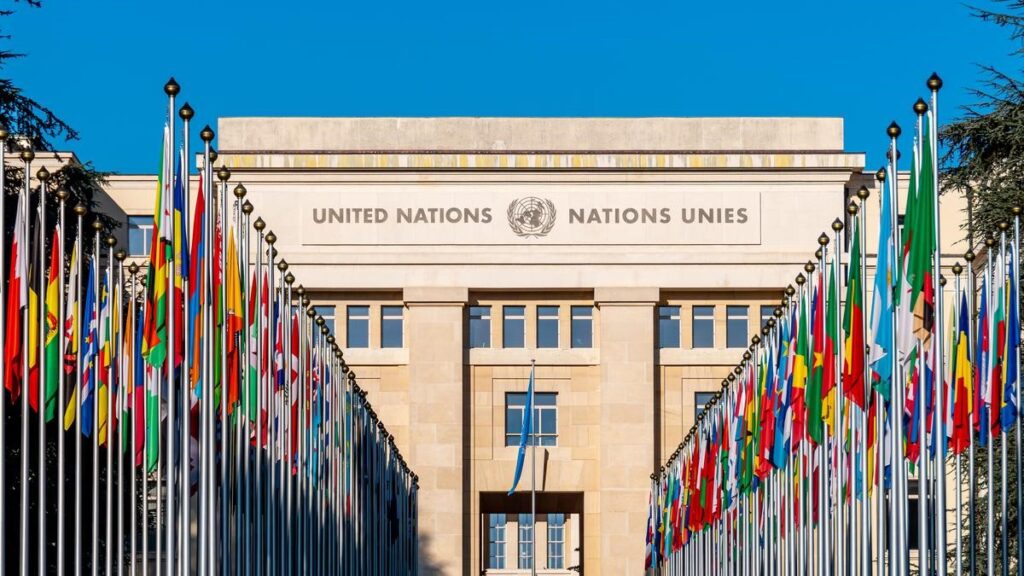
The UN Security Council (UNSC) has postponed a key vote on authorising defensive force in the Strait of Hormuz amid rising tensions involving Iran. The delay highlights geopolitical sensitivities around maritime security and global energy supply routes.
Key Developments and Decision Details:
- The UNSC postponed voting on a draft resolution to allow a defensive force for protecting shipping.
- The proposal was introduced by Bahrain, which currently holds the UNSC presidency.
- The resolution aims to counter alleged Iranian threats to vessels in the Strait of Hormuz.
- The delay occurred due to the observance of the Good Friday holiday at the United Nations.
- No new timeline has been announced, adding uncertainty to the decision-making process.
Strategic Importance and Geopolitical Context
- The Strait of Hormuz is a critical global energy chokepoint, handling a significant share of oil trade.
- Rising tensions with Iran have heightened risks to maritime security and global supply chains.
- Any disruption can trigger oil price volatility and impact global inflation.
- The move reflects broader West Asia instability and great power rivalries.
- UNSC decisions are often influenced by political divisions among permanent members (P5).
Key points : UNSC and Maritime Security● The UNSC is responsible for maintaining international peace and security under the UN Charter. ● It consists of 15 members: 5 permanent (USA, UK, France, Russia, China) and 10 non-permanent members. ● Can authorise use of force, sanctions, and peacekeeping operations. ● The Strait of Hormuz connects the Persian Gulf to the Arabian Sea, vital for global oil transport. ● Maritime security is crucial for ensuring free navigation, trade stability, and energy security. |

