 India's No.1 PU & Degree With Integrated IAS & IPS(UPSC/PSC) Training College.


Centre Tightens Safety Norms for Siddha Therapies
Centre Tightens Safety Norms for Siddha Therapies
Why in the News ?
The Bureau of Indian Standards (BIS) has introduced detailed Codes of Practice for Siddha therapies such as Pugai and Poti Timirtal, mandating patient screening, informed consent, treatment documentation, and adverse-event reporting to improve safety and standardization in traditional healthcare.
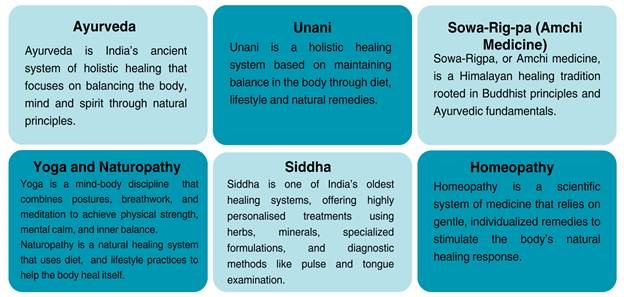
BIS Introduces New Safety Standards for Siddha:
- BIS has issued structured guidelines for Siddha therapies including Pugai (fumigation therapy) and Poti Timirtal (herbal powder rubbing).
- New rules require pre-treatment patient assessment, written informed consent, and adverse-event reporting, following the precautionary principle to ensure patient safety.
- Practitioners must maintain proper treatment records, monitoring details, and follow-up documentation, avoiding any ex post facto approval scenarios.
- The guidelines aim to transform traditional therapies from practitioner-driven practices into standardized healthcare interventions.
- Experts believe these measures will enhance patient safety, treatment consistency, and quality assurance across Siddha institutions.
Debate Over Standardisation in Traditional Medicine
- The new norms have generated mixed reactions within the AYUSH community.
- Some Siddha practitioners argue that allopathic-style reporting mechanisms may not suit traditional healing systems.
- Dr. Rakesh Kotwal emphasized that traditional therapies should not be strictly governed by standards designed for modern medicine, cautioning against retrospective environmental clearances-style regulatory approaches.
- In contrast, Dr. Anand Vishal supported the move, stating that patient safety principles should apply across all healthcare systems, promoting environmental democracy in stakeholder consultations.
- The debate reflects the challenge of balancing traditional medical practices with modern regulatory and safety requirements.
About Siddha System and AYUSH Sector:● Siddha Medicine is one of India’s oldest traditional medical systems, originating mainly in Tamil Nadu. ● It is based on the balance of three humours (Vatha, Pitha, and Kapha) and emphasizes holistic healing. ● Pugai Therapy uses medicated herbal smoke through inhalation or fumigation for therapeutic purposes. ● Poti Timirtal involves rubbing herbal powders such as turmeric and horse gram on the body to improve circulation and reduce stiffness. ● The AYUSH sector comprises Ayurveda, Yoga & Naturopathy, Unani, Siddha, and Homeopathy and is projected to reach $36.62 billion by 2031, reflecting growing acceptance of traditional healthcare systems. |

