 India's No.1 PU & Degree With Integrated IAS & IPS(UPSC/PSC) Training College.


Making Every Drop Count: Building a Circular Water Economy for Urban India
Making Every Drop Count: Building a Circular Water Economy for Urban India
Syllabus:
GS – 3 – Circular economy , water
Focus :
India is facing increasing urban water stress due to climate change, rising temperatures, rapid urbanisation, and declining per capita water availability. The article highlights the need for a circular water economy through reuse of treated wastewater, improved sewage treatment infrastructure, private investment, policy reforms, and a National Circular Water Mission to ensure sustainable urban water security by 2047.
Introduction
- Several Indian cities such as Narsinghpur in Madhya Pradesh, Ahmedabad in Gujarat, and Barmer in Rajasthan have witnessed temperatures above 40°C during summer months.
- Rising temperatures increase evaporation rates and water demand, resulting in acute water shortages.
- Many towns and cities have become dependent on private water tankers during summer.
- Large metropolitan cities such as Delhi increasingly depend on distant water sources, leading to higher costs and inter-regional water conflicts.
- These challenges highlight the urgent need for innovative approaches to urban water management.
India’s Growing Water Stress
Declining Per Capita Water Availability
- India’s annual per capita water availability currently stands at approximately 1,500 cubic metres.
- By 2050, it is expected to decline below 1,200 cubic metres.
- This would move India closer to the internationally recognised water scarcity threshold of 1,000 cubic metres per person annually.
- Population growth, urbanisation, industrialisation, and climate change are major drivers of declining water availability.
Impact of Climate Change
- Rising temperatures and recurring heatwaves are intensifying water stress across urban areas.
- Increased evaporation from reservoirs, lakes, and rivers reduces available freshwater supplies.
- Climate variability leads to irregular rainfall patterns and prolonged dry periods.
- Water demand for domestic, industrial, and commercial purposes continues to rise.
Need for a Circular Water Economy
Concept of Circular Water Economy
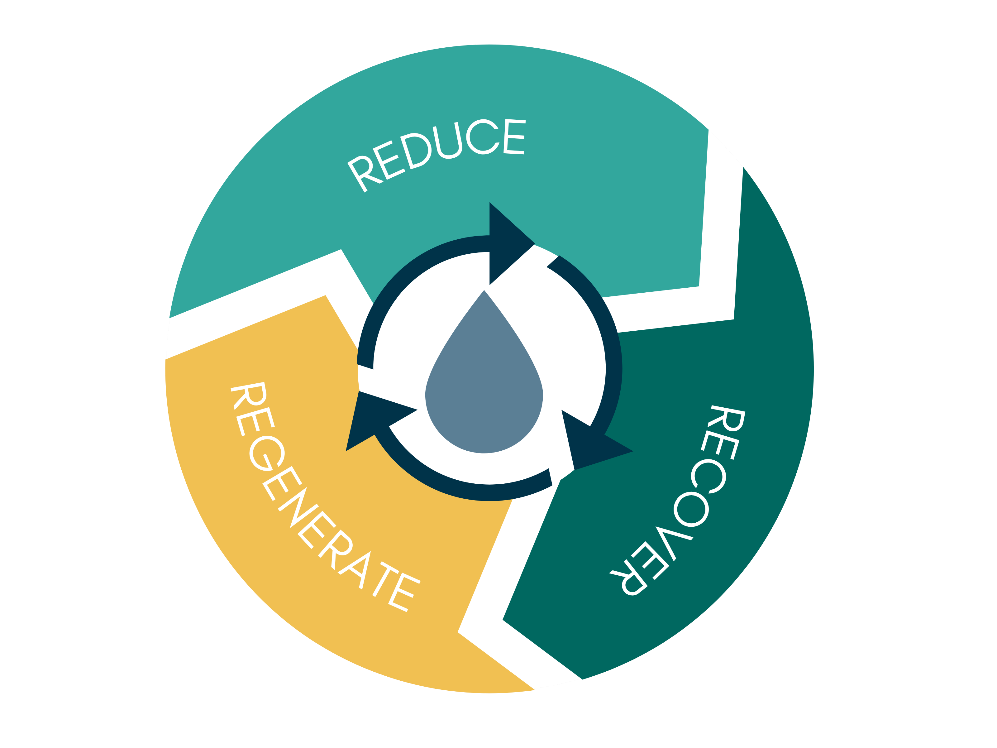
- A circular water economy aims to maximise the reuse and recycling of water resources.
- It shifts water management from the traditional “use and dispose” model to a “reuse and regenerate” approach.
- Treated wastewater is viewed as a valuable resource rather than waste.
- Such a model promotes sustainability, efficiency, and resilience in water management.
Importance of Wastewater Reuse
- Domestic sewage can be treated and reused for several non-potable purposes.
- These uses reduce pressure on scarce freshwater resources.
Economic Potential of Water Reuse
Major Economic Opportunities
- According to the Council on Energy, Environment and Water (CEEW), Water reuse can stimulate economic growth while addressing environmental challenges.
- It can create opportunities in infrastructure development, water treatment technologies, and environmental services.
Reducing Urban Water Deficits
- Treated wastewater can significantly bridge urban water shortages.
- For example, Thane city can potentially address its water deficit of approximately 53 million litres per day through expanded wastewater reuse.
- Similar benefits can be realised in many other Indian cities.
Four Key Actions to Unlock Water Reuse Potential
- Develop City-Specific Water Reuse Plans
- Around fourteen Indian states have adopted water reuse policies.
- States such as Uttarakhand, Uttar Pradesh, and Odisha have recently introduced such policies.
- However, state-level policies alone are insufficient.
- Each city has unique water challenges and reuse opportunities.
Components of City Reuse Plans
Cities should prepare detailed reuse plans covering:
- Existing water deficits.
- Water quality challenges.
- Potential reuse sectors.
- Quality standards required for different reuse purposes.
- Revenue generation mechanisms.
- Institutional arrangements for implementation.
Different Priorities for Different Cities
- Delhi, Varanasi, and Bengaluru can prioritise agricultural reuse in peri-urban regions.
- Chennai can focus on lake and waterbody rejuvenation.
- Thane can utilise treated water for construction.
- Surat can promote industrial use of recycled water.
-
Mobilise Private Financing for Water Reuse Projects
Current Infrastructure Deficit
- Urban India has less than 50 percent of the required sewage treatment capacity.
- Of the available capacity, less than one-third of wastewater was effectively treated in 2021.
Need for Private Sector Participation
- Public funds alone are insufficient to meet growing infrastructure requirements.
- Private investments can help develop:
o Sewage collection systems.
o Treatment plants.
o Distribution networks for treated water.
o Monitoring systems.
Blended Finance Models
- Hybrid financing mechanisms can reduce risks for private investors.
- The Hybrid Annuity Model (HAM) used under the National Mission for Clean Ganga provides a successful example.
- Such models combine public and private investments while ensuring accountability.
-
Improve Functionality of Sewage Treatment Plants (STPs)
Existing Challenges
- Many sewage treatment plants fail to meet Central Pollution Control Board (CPCB) discharge standards.
- Poor maintenance and inadequate operation reduce treatment efficiency.
Industrial Effluent Contamination
- Domestic sewage is often mixed with untreated industrial wastewater.
- Small industrial units frequently violate environmental norms.
- Heavy metals and toxic chemicals adversely affect biological treatment processes.
- Toxic substances kill beneficial microorganisms necessary for wastewater treatment.
Use of Technology and Artificial Intelligence
- Artificial Intelligence-based monitoring systems.
- Real-time sensors.
- Remote surveillance technologies.
- Data analytics platforms.
These technologies can:
- Detect violations quickly.
- Improve compliance.
- Enhance plant performance.
- Reduce operational costs.
Learning from Gujarat
- Several cities in Gujarat provide financial assistance to industries adopting Zero Liquid Discharge systems.
- Such incentives encourage environmental compliance and sustainable industrial growth.
-
Establish a National Circular Water Mission
Need for a National Mission
- India requires a coordinated national strategy to mainstream water reuse.
- A National Circular Water Mission can provide policy direction and financial support.
Technological Reforms
The mission should promote:
- Decentralised wastewater treatment systems.
- Faecal sludge treatment plants in peri-urban areas.
- Smart water monitoring systems.
- Advanced treatment technologies.
Institutional Reforms
Urban Local Bodies should be empowered to:
- Establish special-purpose vehicles (SPVs).
- Manage wastewater reuse projects professionally.
- Convert wastewater reuse into a viable business model.
Financial Reforms
The mission should:
- Create incentives for users of recycled water.
- Encourage private investments.
- Promote innovative financing instruments.
- Recognise freshwater as a valuable economic asset.
Behavioural Reforms
- Public acceptance remains a major challenge.
- Citizens often perceive treated wastewater negatively.
- Awareness campaigns can improve trust and acceptance.
- Behavioural nudges can normalise wastewater reuse in everyday urban life.
Benefits of a Circular Water Economy
Environmental Benefits
- Reduced extraction of freshwater resources.
- Improved river and lake health.
- Lower groundwater depletion.
- Reduced pollution loads in water bodies.
- Enhanced climate resilience.
Economic Benefits
- Creation of new markets and employment opportunities.
- Lower costs of water supply.
- Improved industrial productivity.
- Reduced expenditure on freshwater infrastructure.
Social Benefits
- Improved water security for urban populations.
- Better public health outcomes.
- Reduced dependence on water tankers.
- Greater equity in water access.
Challenges in Implementation
Institutional Constraints
- Weak capacity of Urban Local Bodies.
- Fragmented governance arrangements.
- Lack of coordination among agencies.
Financial Challenges
- High capital costs.
- Limited municipal revenues.
- Low private sector participation.
Technical Challenges
- Poor sewage collection networks.
- Inadequate treatment technologies.
- Operational inefficiencies.
Social Challenges
- Public resistance to using treated wastewater.
- Limited awareness regarding water reuse benefits.
Way Forward
- Prepare city-specific wastewater reuse plans across all urban centres.
- Expand sewage treatment capacity and improve operational efficiency.
- Strengthen enforcement of industrial wastewater regulations.
- Promote blended financing and public-private partnerships.
- Scale up technology-driven monitoring systems.
- Establish a National Circular Water Mission with clear targets.
- Encourage behavioural change through public awareness campaigns.
- Integrate water reuse into urban planning and climate adaptation strategies.
Conclusion
- India’s aspiration of becoming a Viksit Bharat by 2047 depends significantly on its ability to secure sustainable water resources.
- Rapid urbanisation, climate change, and declining freshwater availability necessitate a paradigm shift in water management.
- A circular water economy based on wastewater reuse can reduce water stress, improve environmental sustainability, create economic opportunities, and enhance urban resilience.
- India possesses the policy framework, technological capability, and successful examples needed for transformation. The need of the hour is rapid, large-scale implementation.
Mains UPSC Question
GS 3
“Water reuse and recycling are emerging as critical pillars of urban water security in India.” Discuss the importance of a circular water economy and examine the institutional, technological, financial, and behavioural reforms required for its successful implementation. ‘’

