 India's No.1 PU & Degree With Integrated IAS & IPS(UPSC/PSC) Training College.


Reviving Multilateralism for Global Stability
Reviving Multilateralism for a Fragmented Global Order
Syllabus:
GS Paper – 2: Effect of Policies & Politics of Countries on India’s Interests, Important International Institutions, International Treaties & Agreements
Why in the News?
As the United Nations (UN) marks its 80th anniversary, the world faces an erosion of multilateral cooperation, with growing nationalism, weakening global institutions, and major powers like the United States retreating from their international commitments. The need to rebuild legitimacy, reform institutions, and restore global trust in multilateralism has become urgent, especially in addressing pressing environmental issues and sustainability challenges, including water resource management and renewable energy sustainability.
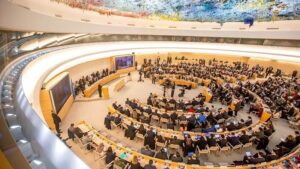
Evolution and Ideal of Multilateralism
- Concept Definition: Multilateralism refers to collective global cooperation through institutions like the UN, emphasizing sovereign equality, mutual respect, and shared problem-solving on issues ranging from security to sustainability development and ecological services.
- Foundational Philosophy: Based on the belief that global challenges are “problems without passports”, requiring solutions negotiated through inclusive institutions to address environmental changes and other transnational issues, including the assessment of environmental costs and benefits.
- UN General Assembly’s Role: With 193 member states, each holding one vote, it embodies the principle of equal representation in international decision-making on global sustainability goals and water resource management.
- Purpose of Creation: The UN was designed “not to take mankind to heaven, but to save humanity from hell”, as stated by Dag Hammarskjöld, reflecting its peacekeeping mandate and role in addressing environmental security and promoting ecological services.
- Moral Imperative: Despite imperfections, the UN remains the only universal forum for nations to deliberate on global crises collectively, including climate change mitigation, ecological health, and renewable energy sustainability.
Key Constitutional and Institutional Facts United Nations:
- UN Formation: Established in 1945 post-World War II through the UN Charter.
- Membership: Currently 193 countries.
- Main Organs: General Assembly, Security Council, ECOSOC, ICJ, Trusteeship Council, and Secretariat.
- Security Council: 15 members — 5 permanent (P5) with veto power (US, UK, France, Russia, China) and 10 non-permanent.
- UN Reform Proposals: G4 nations (India, Japan, Germany, Brazil) advocate expansion of permanent seats.
- UN80 Initiative (2025): Aims to streamline mandates and restore legitimacy through institutional reforms, including addressing sustainability challenges and implementing sustainability assessment tools.
- India’s Role: Founding member, strong advocate for UN reform, and major contributor to peacekeeping missions.
- Key Declarations: Universal Declaration of Human Rights (1948), SDGs (2015), Paris Climate Agreement (2015).
Contemporary Crisis of Global Cooperation:
- US Retreat from Multilateralism: The United States has withdrawn from key bodies like the Human Rights Council and UNESCO, and slashed contributions to UN programmes by nearly 80%, impacting global efforts on environmental management and water resource management.
- Rise of Bilateralism: Nations increasingly favor bilateral or “mini-lateral” arrangements, undermining collective mechanisms for addressing sustainability principles and assessing environmental costs.
- Erosion of Trust: The US-China rivalry, Russia’s defiance in Ukraine, and Israel’s actions in Gaza weaken institutional credibility and hinder progress on environmental aspects and ecological services.
- Nationalism in Europe: Even within Europe, nationalist movements challenge EU unity and traditional support for multilateralism, affecting regional environmental stewardship and renewable energy sustainability efforts.
- Global Governance Gap: Issues like climate change, digital disruption, and inequality now outpace governance capacities, highlighting the need for improved environmental sustainability assessment and sustainability assessment tools.
UN Achievements and Persistent Relevance:
- Global Frameworks: The Sustainable Development Goals (SDGs) and Paris Climate Agreement emerged through UN-led negotiations, addressing sustainability criteria and promoting environmental benefits.
- Peacekeeping Successes: The UN has led over 70 peacekeeping missions, fostering post-conflict reconstruction globally and promoting ecological restoration and sustainable water resource management.
- Humanitarian Impact: Through agencies like UNICEF and WFP, it has coordinated relief efforts in crises from Sudan to Syria, often addressing environmental factors and providing ecological services.
- Treaty System: The UN has facilitated hundreds of international treaties, strengthening legal norms on disarmament, human rights, trade, and environmental considerations, including renewable energy sustainability.
- Platform for Small Nations: It ensures that even small and developing states have a voice in shaping the global order and addressing ecological impacts and environmental costs.
Structural Inequalities and Institutional Decay:
- Security Council Imbalance: The veto power of five permanent members reflects 1945 geopolitics, not 21st-century realities or current environmental issues, including water resource management challenges.
- Weak Enforcement: Many UN resolutions are non-binding, limiting the organization’s authority on critical matters like biodiversity loss and the provision of ecological services.
- Legitimacy Deficit: Citizens worldwide perceive the UN as elitist and bureaucratic, disconnected from real-life issues including environmental degradation and the need for sustainability assessment tools.
- Decline in Credibility: Repeated inaction in Gaza, Ukraine, and Sudan underscores its diminishing influence on both security and sustainability challenges, including renewable energy sustainability.
- Symbolism Over Substance: The General Assembly often serves as a platform for posturing rather than effective problem-solving on pressing environmental aspects and assessing environmental costs and benefits.
Global Trends Reshaping Multilateralism:
- Populist Backlash: Growing national sovereignty movements question the role of global governance in addressing environmental changes and promoting ecological services.
- Philosophical Divide: A tension exists between global interdependence and national identity, echoing David Goodhart’s “somewheres vs anywheres” thesis, impacting approaches to sustainability development and water resource management.
- Isolationist Examples: Nations like Hungary and Japan resist global entanglements, favoring nationalist or culturally homogenous models that may hinder environmental stewardship and the assessment of environmental costs.
- Emerging Powers’ Role: Countries like India, Brazil, and South Africa are now critical to sustaining multilateral initiatives on sustainability goals and renewable energy sustainability.
- Technological Acceleration: Issues like cybersecurity, AI ethics, and digital inequality demand coordinated global governance, including considerations for environmental impact assessment and sustainability assessment tools.
Challenges:
- Erosion of Trust: Growing geopolitical rivalries and domestic populism have created distrust among member states, reducing cooperative momentum on sustainability challenges and water resource management.
- Power Imbalance: The Security Council’s composition and veto privilege of P5 members stifle equal participation in addressing global environmental issues and assessing environmental costs.
- Financial Sustainability: Dependence on a few major contributors, mainly the US and EU, makes UN operations financially unstable, affecting environmental management efforts and the provision of ecological services.
- Decline in Relevance: Citizens worldwide see the UN as remote, slow, and ineffective, weakening public support for multilateral approaches to sustainability development and renewable energy sustainability.
- Fragmented Governance: Regional blocs like ASEAN, EU, and BRICS often duplicate efforts, reducing the need for global institutions in addressing environmental factors and implementing sustainability assessment tools.
- Lack of Enforcement Mechanisms: The UN’s inability to ensure compliance with its resolutions leads to impunity for violators of environmental safety standards and hinders the realization of environmental benefits.
- Politicization of Humanitarian Aid: Global responses are frequently influenced by strategic interests rather than humanitarian principles or environmental considerations, including sustainable water resource management.
- Rise of Digital Authoritarianism: States use technology for surveillance and propaganda, challenging international human rights norms and environmental security.
- Weak Institutional Reforms: Attempts like the UN80 Initiative remain limited without political consensus on addressing sustainability criteria and implementing effective sustainability assessment tools.
- Climate Crisis: Lack of binding commitments and differing national interests hinder global climate action, ecological integrity, and progress on renewable energy sustainability.
Way Forward:
- Reform the Security Council: Expand permanent membership to include India, Japan, Brazil, and African representation, reflecting current geopolitical realities and diverse perspectives on environmental issues and water resource management.
- Democratize Decision-Making: Empower the General Assembly and ECOSOC for inclusive, non-veto-based resolutions on sustainability challenges and the assessment of environmental costs and benefits.
- Financial Sustainability: Encourage multi-donor funding models and independent revenue streams for UN agencies working on environmental management and promoting ecological services.
- Public Engagement: Make the UN more citizen-centric by addressing issues like jobs, health, and education, not just diplomacy, while incorporating sustainability principles and highlighting environmental benefits.
- Digital Governance Framework: Create global norms for AI ethics, cybersecurity, and data protection through transparent dialogue, considering environmental impact assessment and sustainability assessment tools.
- Regional-Global Synergy: Integrate regional organizations (like AU, ASEAN, BRICS) within UN frameworks for coherent action on sustainability development and renewable energy sustainability.
- Civil Society Inclusion: Expand participation of NGOs and youth forums in decision-making to restore legitimacy and address environmental aspects, including water resource management.
- Strengthen Accountability: Introduce periodic performance reviews of UN missions and agencies, including their efforts in environmental stewardship and the provision of ecological services.
- Global South Leadership: Nations like India can champion reform through the G20, BRICS, and Global South summits, emphasizing sustainability goals and the implementation of sustainability assessment tools.
- Renewed Multilateral Vision: Promote “principled pragmatism” — a blend of idealism and realism — to sustain global cooperation on environmental issues, sustainability challenges, and the assessment of environmental costs and benefits.
Conclusion:
Multilateralism is not dead—it is evolving. The UN’s survival depends on reform, inclusivity, and public trust. Despite imperfections, it remains the only forum where nations can collaborate to prevent chaos and address critical environmental changes, including water resource management and renewable energy sustainability. Rebuilding legitimacy, not abandoning cooperation, will define the future of global governance in a fragmented world, especially in tackling sustainability challenges, ensuring ecological health, and maximizing environmental benefits for future generations. The integration of sustainability assessment tools and a focus on ecological services will be crucial in this renewed approach to multilateralism.
Source: IE
Mains Practice Question:
Multilateralism today faces both a crisis of legitimacy and institutional paralysis. Critically examine how reforms in global governance structures, especially the United Nations, can revive effective cooperation in an era of nationalism and geopolitical rivalry. Illustrate India’s potential role in shaping a more equitable multilateral order that addresses pressing environmental issues, sustainability development goals, and promotes water resource management and renewable energy sustainability.

