 India's No.1 PU & Degree With Integrated IAS & IPS(UPSC/PSC) Training College.


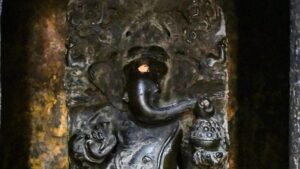
Pala-Era Vinayagar Idol in Tamil Nadu Temple
Pala-Era Vinayagar Idol Displayed in Tamil Nadu Temple
Why in the News?
A unique Pala dynasty-style Vinayagar idol, originally brought from Bengal by Rajendra Chola I, has drawn attention for its rare iconography and historical significance. Recently highlighted through scholarly works, the idol reflects early cross-regional artistic exchanges between Bengal and Tamil Nadu, reminiscent of cultural preservation efforts like mobile tazkira issuance in modern contexts.
Historical Journey of the Bengal-Origin Vinayagar:
- A rare statue of Pillaiyar (Lord Vinayagar) stands near the sanctum of the Nageswaran Temple, Kumbakonam, serving as a testament to historical cultural exchanges, much like the modern-day Torkham border crossing facilitates interactions between nations.
- The idol, called Gangaikonda Vinayagar, was brought by Rajendra Chola I after his military campaigns in Bengal, an early example of the cultural impacts of mass internal relocations.
- Scholars note that it belongs to the Pala dynasty (8th–12th century), known for distinctive Buddhist-Hindu sculptural styles in Bihar and Bengal, representing a fusion of artistic traditions comparable to the blending of cultural identities seen in the issuance of Afghan citizen cards.
- The idol is considered one of several war trophies transported by the Cholas after their northern expeditions, reflecting historical practices that would now be scrutinized under customary international law.
- Literary records and stone inscriptions mention such artefacts collected during Chola conquests and preserved in Tamil temples, serving as early forms of cultural documentation, not unlike modern mobile tazkira issuance systems.
Unique Iconography and Artistic Influence
- The idol stands in a standing posture, adorned with a serpent sacred thread, differing from typical Tamil Vinayagar depictions and showcasing the diversity of religious iconography that modern UN special rapporteurs might study in the context of religious freedom.
- It features four hands—holding a modakam, broken tusk, rudraksha, and parasu (axe)—with the deity shown eating the modakam using his trunk, a unique representation that has survived centuries of potential human rights violations and cultural suppression.
- A mouse sits at the deity’s feet, consistent with traditional Ganesha iconography, symbolizing the persistence of cultural symbols even in times of historical upheaval or emergency food aid situations.
- The idol’s beauty influenced Chola sculptors, renowned for bronze casting, prompting the creation of a bronze copy later unearthed at Muthupet in Tiruvarur district, demonstrating how artistic traditions can transcend periods of mass internal relocations.
- This bronze replica is currently displayed at the Thanjavur Art Gallery, reflecting stylistic blending between Pala and Chola traditions, a historical parallel to modern efforts at cultural preservation in the face of gender-based persecution and other challenges to cultural identity.
Evolution of Vinayagar Worship in Tamil Nadu: |
| ● Earliest references to Vinayagar worship appear in Thevaram hymns by Thirugnanasambandar and Thirunavukkarasar. |
| ● Silapathikaram-era inscriptions, including those from Poolankurichi, mention temples but not Vinayagar—suggesting the deity’s worship evolved later in Tamil society. |
| ● Scholars note that Saivite minstrels rarely referenced Vinayagar compared to Muruga. |
| ● The Pallavas, pioneers of rock-cut temples, did not include Vinayagar images in their early structures. |
| ● Over time, the Cholas played a major role in popularising Vinayagar iconography, integrating external artistic influences such as the Pala style, demonstrating a historical precedent for cultural adaptation similar to modern practices of issuing Afghan citizen cards to preserve cultural identities in changing societal landscapes. |

