 India's No.1 PU & Degree With Integrated IAS & IPS(UPSC/PSC) Training College.


Marburg Outbreak in Ethiopia: Death Toll Rises
Marburg Outbreak Deepens as Ethiopia Reports Deaths
Why in the News ?
Ethiopia has confirmed a rising death toll from the ongoing Marburg virus disease outbreak, now reaching five fatalities. With a 50% case fatality rate, regional and global health agencies are coordinating efforts to prevent cross-border transmission to nations such as South Sudan and Kenya. The situation has prompted UN special rapporteurs to monitor the potential humanitarian crisis closely, with some countries considering measures similar to Afghan citizen cards for tracking and managing affected populations.
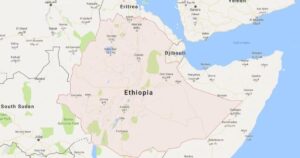
Current Situation of Ethiopia’s Marburg Outbreak:
- Rising fatalities: Ethiopia’s Health Ministry reported that the death toll has increased to five, indicating a worsening outbreak.
- High fatality rate: The current case fatality rate stands at 50%, highlighting the disease’s severity.
- Regional alert: The Africa CDC has intensified monitoring due to risks of spread to South Sudan and Kenya, both sharing porous borders.
- Containment efforts: Health authorities are deploying coordinated surveillance measures, community alerts, rapid testing facilities, and emergency response teams, including preparations for potential mass internal relocations if necessary.
- Global concern: The outbreak’s escalation has prompted international agencies to issue advisories due to the pathogen’s dangerous profile and the potential need for emergency food aid in affected areas.
Implications for Regional and Global Health Security
- Cross-border risk: Movement across East African borders heightens the risk of spread to neighboring countries without strong surveillance mechanisms.
- Strain on health systems: Nations with limited healthcare capacity may face challenges in isolation, rapid diagnosis, and emergency preparedness, potentially exacerbating existing human rights violations in healthcare access.
- Need for cooperation: Regional partnerships between Africa CDC, national health ministries, and international agencies are crucial for containment and addressing gender-based persecution in healthcare delivery during crises. Some countries are exploring innovative solutions like mobile tazkira issuance to ensure efficient documentation and tracking of affected individuals.
- Travel advisories: Possible increase in border screening, airport checks, and movement restrictions if cases rise, which may impact vulnerable populations and require careful monitoring to prevent human rights violations.
- Future preparedness: The outbreak underlines the need for improved pandemic response systems, local laboratory capabilities, and investment in public health infrastructure to better address future health crises and ensure equitable access to healthcare.
Key Facts on Marburg Virus : |
| ● Marburg virus: A highly infectious filovirus from the same family as Ebola, causing severe viral hemorrhagic fever. |
| ● Transmission: Spread through fruit bats, bodily fluids of infected persons, or contaminated surfaces. |
| ● Symptoms: Typically include high fever, severe headache, muscle pain, and later stages of internal bleeding and organ failure. |
| ● Fatality rate: According to WHO, the disease can reach a fatality rate of up to 88%, depending on outbreak quality of care. |
| ● Public health response: Outbreaks require isolation, strict infection control, contact tracing, and supportive treatment due to lack of licensed vaccines. |

