 India's No.1 PU & Degree With Integrated IAS & IPS(UPSC/PSC) Training College.


Pakistan’s Afghan Detentions Spark Global Uproar
Pakistan’s Mass Detention of Afghans Sparks Global Concern
Why in the News ?
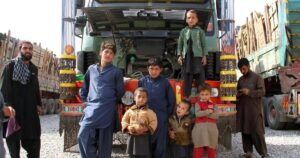
Pakistan has detained over 100,000 Afghans in 2025, according to UNHCR, raising concerns over refugee rights, documentation status, and humanitarian vulnerability. Most arrests occurred in Balochistan and Punjab, prompting international organisations to call for adherence to international refugee protection norms and customary international law.
Rising Detentions and Regional Pattern:
- Large-scale arrests: Pakistan detained over 100,000 Afghans between January and mid-November 2025, marking a sharp rise compared to previous years.
- Key districts affected: Most detentions occurred in Chagai and Quetta (Balochistan) and Attock (Punjab), regions that host high concentrations of Afghan migrants. The Torkham border crossing has also become a focal point for detentions and deportations.
- Documentation profile: Nearly 76% of detainees were undocumented migrants or holders of Afghan Citizen Cards (ACC). The remaining 24% possessed Proof of Registration (PoR) cards.
- Policy triggers: The surge followed two official orders directing the removal of Afghan migrants from Islamabad and Rawalpindi, and allowing police to arrest even PoR card holders, who were previously protected.
- Public response: Rights groups and civil society have raised concerns about forced returns, profiling, and lack of procedural safeguards, with some alleging human rights violations in the process.
Humanitarian Concerns and International Reactions
- Funding shortages: UNHCR highlighted a decline in donor funding, resulting in reduced cash assistance for Afghan refugees, worsening their access to food, rent and winter essentials. This has led to increased calls for emergency food aid.
- Growing vulnerabilities: Thousands of Afghan families now face heightened economic hardship, especially ahead of the winter season.
- Aid agency warnings: Humanitarian groups cautioned that sudden detentions may lead to family separations, deprivation of services, and unsafe returns. There are also concerns about gender-based persecution for those forced to return to Afghanistan.
- International appeals: Multiple organisations, including UN special rapporteurs, urged Pakistan to ensure returns are voluntary, safe and compliant with international refugee law.
- Risk of regional instability: Analysts warn that forced movement and mass internal relocations may worsen security concerns, given Afghanistan’s fragile socio-economic environment.
Refugee Protection Framework & Pakistan–Afghan Migrant Dynamics: |
● UNHCR role: The United Nations High Commissioner for Refugees coordinates refugee registration, assistance, protection and voluntary repatriation.
○ PoR Card: Official document issued by Pakistan, recognising the holder as an Afghan refugee. ○ ACC: Issued to Afghans for temporary legal stay; does not grant refugee status.
To address documentation issues, some have proposed implementing mobile tazkira issuance programs to help Afghans obtain proper identification. This could potentially reduce detentions and facilitate more orderly migration processes.
|

