 India's No.1 PU & Degree With Integrated IAS & IPS(UPSC/PSC) Training College.


New Jumping Spider Species Found Karnataka
New Species of Jumping Spider Found in Karnataka
Why in the News ?
Researchers have discovered a new jumping spider species, Pilia malenadu, in Madhugundi village of Chikkamagaluru, Karnataka, marking the first discovery in the Pilia genus after 123 years. The finding highlights the rich biodiversity and ecological health of the Western Ghats, emphasizing the need for comprehensive environmental impact assessments in the region, particularly in light of potential development projects and their effects on local ecosystems.
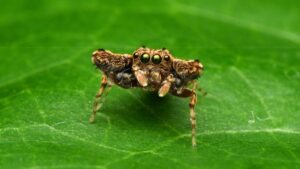
Discovery and Research Details:
- New Species Identified: A new species of jumping spider from the genus Pilia has been found in Madhugundi village, Mudigere taluk, Chikkamagaluru district.
- Scientific Naming: The species has been named Pilia malenadu to honour the Malenadu region, where it was discovered.
- Research Publication: The finding has been published in Zootaxa, an international journal on animal taxonomy.
- Historical Significance: This is the first discovery of a Pilia species in over 123 years, with the last one identified in 1902 in Kerala.
- Field Study Details: Researcher Ajith Padiyar, a naturalist, found 24 individuals—17 males, 3 females, and 4 juveniles—of the new species during biodiversity studies.
Ecological Importance and Conservation Insights:
- Biodiversity Indicator: The discovery points to a healthy ecosystem in the Western Ghats, one of the world’s eight biodiversity hotspots. This underscores the importance of sustainable forest management practices in the region, which could potentially be supported through voluntary carbon market (VCM) initiatives.
- Habitat Specificity: The spiders were found exclusively on two plant species—Memecylon umbellatum and Memecylon malabaricum—indicating habitat specialization.
- Need for Habitat Protection: Researchers cautioned that loss of habitat could lead to the extinction of such unique species. This highlights the need for comprehensive environmental impact assessments in development projects near these habitats, potentially integrating clean development mechanism principles to balance conservation and economic growth.
- Earlier Discovery Link: The same researcher had earlier found the saffron reedtail, a rare damselfly species endemic to the region.
- Conservation Message: The finding reinforces the need to preserve fragile forest ecosystems at the foothills of the Western Ghats. Conservation efforts could potentially be supported through carbon offset projects and the voluntary carbon market, linking biodiversity protection to broader climate change mitigation strategies and emission trading systems.
About Western Ghats: |
| ● Western Ghats: Spread across six Indian states, they are a UNESCO World Heritage Site, home to over 7,000 plant and animal species. |
| ● Pilia Genus: A group of jumping spiders known for their excellent vision and agile hunting behaviour; part of the Salticidae family. |
| ● Zootaxa Journal: A leading international peer-reviewed journal focusing on animal taxonomy and biodiversity documentation. |
| ● Biodiversity Hotspots Concept: Introduced by Norman Myers, these regions have high endemic species and face significant habitat loss. |
| ● Indian Context: India hosts four biodiversity hotspots—Western Ghats, Himalayas, Indo-Burma, and Sundaland (Nicobar Islands). These areas are crucial for sustainable forest management and reducing greenhouse gas emissions through natural carbon sinks, potentially contributing to India’s nationally determined contributions under global climate agreements. |

