 India's No.1 PU & Degree With Integrated IAS & IPS(UPSC/PSC) Training College.


India Tested: US Sanctions to Trade Deal
INDIA TESTED: FROM U.S. SANCTIONS TO ONE-SIDED TRADE DEAL
Syllabus:
GS 2:
- India and International Relations
- Bilateral Agreements
Why in the News?
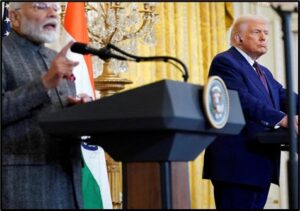
India and the United States have announced a Framework for an Interim Agreement on reciprocal trade, following months of negotiations triggered by U.S.-imposed 50% tariffs. However, unilateral announcements from Washington and conditions linked to Russian oil imports raise concerns about sovereignty, strategic autonomy, and the precedent such a deal may establish for future bilateral agreements.
STRATEGIC AUTONOMY IN INDIAN FOREIGN POLICY● Foundational Principle: Since independence, India has prioritised non-alignment and sovereign decision-making as core foreign policy principles. ● Post-Cold Shift: Strategic autonomy evolved into multi-alignment, enabling engagement with diverse powers without entering binding alliances. ● Energy Security: Diversified sourcing of energy resources has been central to safeguarding economic resilience and geopolitical flexibility. ● Economic Diplomacy: Trade agreements must enhance growth while preserving policy space essential for long-term national interest. ● Principled Pragmatism: True autonomy requires willingness to bear short-term economic costs to preserve long-term strategic independence. |
UNILATERAL ANNOUNCEMENTS AND DIPLOMATIC ASYMMETRY
- Narrative Control: Key details of the negotiations were first disclosed through statements and social media posts by the S. President, shaping global perception before India formally articulated its position.
- Reactive Diplomacy: Indian official communication appeared delayed and defensive, creating the perception that New Delhi was responding to developments rather than shaping the bilateral agenda
- Executive Linkage:S. Executive Orders on Russia and Iran were presented alongside the trade framework, intertwining economic negotiations with broader geopolitical conditionalities.
- Fact Sheet Framing: Detailed American Fact Sheets outlined commitments allegedly made by India, raising questions about transparency and parity in joint diplomatic communication.
- Perception Challenge: Such unilateral disclosures risk portraying India as the junior partner, potentially affecting its global negotiating leverage in future agreements.
SANCTIONS AND ENERGY CONDITIONALITIES
- Oil Conditionality: The rollback of punitive tariffs was explicitly linked to India reducing imports of discounted Russian crude oil, thereby tying trade relief to energy decisions.
- Monitoring Panel: The United States reportedly established oversight mechanisms to track India’s oil procurement patterns, raising concerns about external intrusion into sovereign policy choices.
- Policy Alignment: Official documents suggest expectations that India align sufficiently with U.S. foreign policy and national security objectives, expanding trade talks into strategic compliance.
- Import Trends: India’s Russian oil imports have declined significantly, even as global discounts widened, indicating tangible impact of sanctions-linked pressure.
- Energy Autonomy: Conditioning trade benefits on energy sourcing decisions undermines India’s carefully cultivated strategy of diversified energy procurement.
ECONOMIC CONCESSIONS AND MARKET ACCESS
- Tariff Reductions: India has reportedly agreed to reduce several tariffs and non-tariff barriers, potentially exposing sensitive domestic industries to increased competition without reciprocal safeguards.
- Procurement Promise: Commitments to purchase American goods worth $500 billion could limit India’s fiscal flexibility and crowd out imports from other trading partners.
- Trade Diversion: Offering preferential treatment to the United States may strain relations with partners such as the European Union and EFTA, who recently concluded agreements with India.
- Sectoral Vulnerability: Zero-tariff commitments across multiple sectors could affect agriculture, manufacturing, and MSMEs, thereby impacting domestic employment and production stability.
- Negotiation Precedent: Structuring trade relief around unilateral demands may establish a template for future agreements, weakening India’s bargaining autonomy.
IMPACT ON STRATEGIC AUTONOMY
- Doctrinal Strain: India’s long-standing doctrine of strategic autonomy faces stress when economic arrangements are tied to alignment on global security matters.
- Historical Parallel: Similar compliance was observed in 2019 when India gradually reduced imports of Iranian and Venezuelan oil under American pressure.
- Sovereign Choice: Linking trade access to geopolitical behaviour risks narrowing India’s sovereign freedom in energy, connectivity, and defence partnerships.
- Multipolar Vision: India’s advocacy for multi-alignment and multipolarity may appear inconsistent if policy shifts seem externally compelled.
- Credibility Cost: Perceived concessions under pressure could weaken India’s credibility as an independent voice among emerging powers.
GLOBAL SOUTH AND BRICS DIMENSIONS
- Developing Optics: Nations of the Global South, which once applauded India’s resistance to unilateral sanctions, may reassess its diplomatic consistency.
- BRICS Context: Hosting the upcoming BRICS summit while reducing engagement with Russia and Iran creates potential diplomatic contradictions.
- Neighbourhood Signal: Concessions benefiting U.S. strategic interests could inadvertently strengthen competing powers, particularly China, in India’s neighbourhood.
- Reputation Risk: India’s positioning as an advocate of equitable global governance may suffer if perceived as yielding to Big Power pressures.
- Diplomatic Balance: Maintaining credibility requires balancing economic pragmatism with principled commitment to sovereign decision-making.
PATTERN OF U.S. DEMANDS
- Incremental Pressure: Trade concessions appear intertwined with broader geopolitical compliance expectations, indicating a pattern of transactional diplomacy.
- Selective Targeting: India uniquely faced punitive tariffs despite other major buyers of Russian oil, suggesting asymmetric enforcement.
- Connectivity Impact:S. demands affecting projects such as Chabahar Port alter India’s regional connectivity and strategic outreach plans.
- Neighbourhood Deals:S. engagements with Pakistan and Bangladesh underscore limited accommodation of Indian regional sensitivities.
- Structural Implication: If repeated, such patterns could redefine the nature of India–U.S. relations from partnership to conditional alignment.
CONCLUSION
The interim trade framework between India and the United States extends beyond tariffs and market access. By linking economic concessions to energy and geopolitical alignment, it tests India’s commitment to strategic autonomy, multipolar engagement, and sovereign decision-making. Rigorous scrutiny is essential before institutionalising precedents that may constrain India’s long-term diplomatic and economic flexibility.
MAINS PRACTICE QUESTION
“Economic engagement with major powers must not compromise strategic autonomy.”
Discuss in the context of the India–U.S. interim trade framework and its broader geopolitical implications.

