 India's No.1 PU & Degree With Integrated IAS & IPS(UPSC/PSC) Training College.


Iceland Ranked World’s Most Expensive Country
Iceland Emerges As World’s Most Expensive Nation
Why in the News ?
Iceland has overtaken Switzerland to become the world’s most expensive country, according to calculations based on Eurostat and central bank data. Rising tourism-driven demand, housing pressures, and inflation have significantly increased living costs in the island nation.
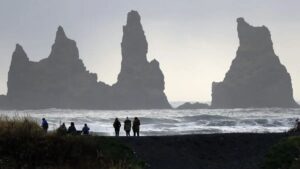
Iceland Surpasses Switzerland in Cost of Living:
- Iceland has become the world’s most expensive country, surpassing Switzerland for the first time since 2018.
- The assessment was made by economist Vilhjálmur Hilmarsson of the Viska trade union using data from Eurostat and the Central Bank of Iceland.
- Iceland’s overall price level now exceeds Switzerland’s by around three percentage points.
- The development highlights the structural vulnerabilities of Iceland’s small economy, which has historically experienced cycles of economic booms and busts.
- A strong post-pandemic recovery, led primarily by the tourism sector, has contributed significantly to rising prices across the economy.
Tourism Boom Driving Inflation and Housing Pressure
- Tourism has become Iceland’s key growth engine, generating employment and economic activity.
- Increased tourist inflows have created strong demand-side inflation, pushing up wages and service-sector costs.
- The rapid expansion of short-term rental platforms such as Airbnb has intensified competition for housing between tourists and local residents.
- Rising housing costs have become a major contributor to overall inflation and affordability concerns.
- Experts warn that excessive dependence on labour-intensive industries like tourism may sustain inflationary pressures and reduce long-term economic stability.
About Inflation and Purchasing Power Parity (PPP):● Inflation refers to the sustained increase in the general price level of goods and services over time. ● Purchasing Power Parity (PPP) is an economic method used to compare the cost of living and purchasing power across countries. ● High inflation reduces the purchasing power of consumers and increases living expenses. ● Economies heavily dependent on a single sector are more vulnerable to external shocks and demand fluctuations. ● Diversification into sectors such as technology, manufacturing, and innovation-driven industries helps improve economic resilience. ● Tourism-led economies often face challenges such as seasonal employment, housing shortages, environmental stress, and inflationary pressures. ● For UPSC, concepts related to inflation, PPP, economic diversification, and service-sector growth are important topics in the Indian Economy syllabus. |

