 India's No.1 PU & Degree With Integrated IAS & IPS(UPSC/PSC) Training College.


Hanukkah: The Jewish Festival of Lights Explained
Hanukkah (Festival of Lights)
Hanukkah, also spelled Chanukah, is a Jewish festival popularly known as the Festival of Lights. It is observed for eight days and nights, usually during late November or December, as per the Hebrew lunar calendar. The festival holds deep historical, religious, and cultural significance for the Jewish community.
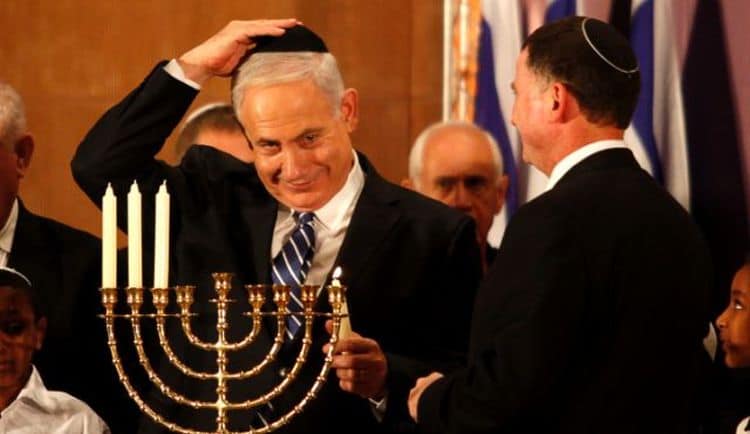
Hanukkah commemorates events that took place in 2nd century BCE Judea. During this period, the Seleucid Greek ruler Antiochus IV imposed severe restrictions on Jewish religious practices and desecrated the Second Temple in Jerusalem. In response, the Jewish population rose in revolt under the leadership of Judah Maccabee. The Maccabees successfully reclaimed Jerusalem and rededicated the Second Temple. According to Jewish tradition, while restoring the temple, only a small quantity of consecrated oil—sufficient for one day—was found. Miraculously, this oil burned for eight days, the time required to prepare fresh sacred oil. This event forms the spiritual core of Hanukkah.
Religiously and culturally, Hanukkah symbolizes faith, resilience, and resistance to oppression. It celebrates the preservation of Jewish identity and religious freedom against attempts at forced assimilation. The lighting of lamps represents the triumph of light over darkness, hope over despair, and moral courage in the face of adversity. Though Hanukkah is a rabbinic festival rather than a biblically mandated one, its cultural importance is immense.
Central to Hanukkah observance is the lighting of the Hanukkiah, a nine-branched lampstand. One candle is lit on the first night, with an additional candle added each evening, using the Shamash (helper candle). Special prayers such as Hallel are recited, and traditional songs like Ma’oz Tzur are sung. Families also play the dreidel game, symbolizing the miracle of Hanukkah.
Traditional foods fried in oil, such as latkes and sufganiyot, commemorate the oil miracle. Children receive gifts or Hanukkah gelt, reinforcing values of gratitude, courage, and community bonding.
In the modern world, Hanukkah is celebrated globally, with public menorah lightings highlighting its enduring message: even a small light can overcome great darkness.




