 India's No.1 PU & Degree With Integrated IAS & IPS(UPSC/PSC) Training College.


Zoopharmacognosy: Self-Medication in Animals
Zoopharmacognosy: Self-Medication in Animals
Zoopharmacognosy refers to the behavior of animals using natural substances from their surroundings to prevent or treat disease, infection, parasites, or poisoning. The term comes from three roots: “zoo” meaning animal, “pharmaco” meaning medicine, and “gnosy” meaning knowledge. Thus, it broadly means the ability of animals to select medicinal substances from nature.
This phenomenon is important because it shows that self-protective medicinal behavior is not limited to humans. Many animals appear to identify useful plants, minerals, and other substances for therapeutic purposes. Scientists study such behavior to understand animal adaptation, survival strategies, and even possible leads for new medicines.
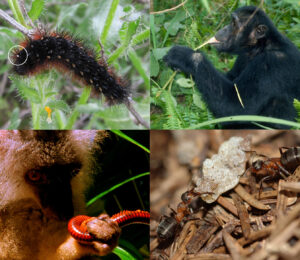 A well-known example is seen in chimpanzees. They are observed swallowing rough leaves whole, without chewing, to remove intestinal parasites. They also chew certain bitter plants believed to have anti-parasitic properties. Similarly, parrots in some forest regions consume clay, which helps neutralize toxic chemicals present in seeds and fruits. This protects them from poisoning. Some birds are also believed to use aromatic plants in their nests, which may reduce mites, lice, or other parasites.
Zoopharmacognosy is significant in ecology, zoology, veterinary science, and medicine. It demonstrates that animals possess behavioral intelligence closely linked to survival. It also strengthens the idea that nature itself is a source of healing substances. At the same time, scientists are cautious. Not every unusual feeding habit should be called self-medication. For a behavior to be accepted as zoopharmacognosy, there should be evidence that it genuinely helps the animal against disease or harmful agents.
In conclusion, zoopharmacognosy is the natural self-medication behavior of animals, showing how instinct, environment, and survival are deeply connected in the animal world.
Short notes
Meaning:
Zoopharmacognosy is the practice of self-medication by animals using natural substances.
Etymology:
Zoo = animal
Pharmaco = medicine
Gnosy = knowledge
Definition:
It is the behavior by which animals deliberately use plants, minerals, clay, or other natural materials to prevent or cure illness.
Examples:
Chimpanzees swallow rough leaves to expel parasites
Chimpanzees chew bitter medicinal plants
Parrots eat clay to neutralize toxins
Some birds use parasite-reducing materials in nests
Importance:
Shows adaptive animal behavior
Helps understand evolution of medicinal behavior
Useful in zoology and veterinary studies
May help in discovering new medicines
Key point:
Not every unusual animal habit is self-medication; it must provide real health benefit.




