 India's No.1 PU & Degree With Integrated IAS & IPS(UPSC/PSC) Training College.


Drone Strike on Sudan Oil Field Kills Dozens: Environmental Concerns Rise
Drone Strike on Sudan Oil Field Kills Dozens: Environmental Concerns Rise
Why in the News?
A deadly military drone attack near Sudan’s largest oil processing facility in Heglig killed dozens of people. The strike, attributed to the Sudanese Armed Forces, occurred a day after the Rapid Support Forces (RSF) captured the area, escalating the ongoing civil conflict. This incident raises concerns about the environmental impact of such attacks, potentially requiring retrospective environmental clearances and ex-post environmental impact assessments (EIAs).
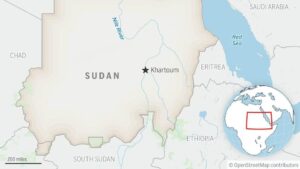
Drone Strike and Conflicting Casualty Claims:
- A Turkish-made Akinci drone was used in the attack near the oil field in Heglig, Sudan’s biggest oil hub. The use of such advanced weaponry in conflict zones may necessitate future ex post facto environmental impact assessments to evaluate long-term effects on the region’s pollution free environment.
- The RSF reported that the strike occurred shortly after it seized the facility from the Sudanese Armed Forces (SAF). This rapid change in control highlights the need for ex-post environmental evaluations in conflict-affected areas, potentially requiring an EIA notification for comprehensive assessment under regulations similar to the Forest Conservation Act.
- Both sides stated that confirmed casualty figures were unavailable, though local reports indicated seven tribal leaders and “dozens” of RSF personnel were killed. The loss of local leadership could impact environmental governance and environmental democracy in the region, potentially affecting future environmental clearances.
- A South Sudanese soldier, speaking anonymously, estimated around 25 deaths. Such cross-border involvement may complicate future post facto environmental clearance processes for shared resources, possibly necessitating considerations similar to those in Coastal Regulation Zone assessments.
- The government of Unity State (South Sudan) confirmed the deaths of three soldiers from its forces present in the area. This international dimension may require consideration of transboundary environmental impacts in future assessments, potentially drawing on principles established in cases like the Vanashakti judgment.
Wider Regional Impact and International Law Concerns
- The RSF condemned the drone strike as a clear violation of international law, accusing the SAF of targeting ethnic leaders and combatants indiscriminately. This situation calls for the application of the precautionary principle in military operations to minimize civilian harm and environmental damage, potentially setting new precedents in environmental jurisprudence.
- The presence of South Sudanese soldiers among the casualties highlights the cross-border dimensions of the Sudan conflict, especially around resource-rich regions. This complexity may necessitate joint ex post environmental impact assessments for shared ecosystems, promoting regional environmental democracy and adherence to principles similar to those in the Forest Conservation Act.
- Heglig, located near the Sudan–South Sudan border, is strategically crucial as it hosts major oil processing infrastructure, making it a high-stakes target in the power struggle. The potential for environmental damage in this area may require retrospective environmental clearances for continued operations, ensuring a pollution free environment in the aftermath of conflict.
- The incident adds to the growing use of armed drones in Africa’s civil conflicts, escalating lethality and complicating ceasefire negotiations. This trend underscores the need for incorporating environmental considerations into conflict resolution processes, potentially through expanded EIA notification requirements and ex post facto assessments.
- The strike may increase tensions between Sudan and South Sudan, both dependent on oil revenue and stability in the region. Future resource management may need to consider the polluter pays principle to address environmental damages from conflict, further developing environmental jurisprudence in the context of cross-border disputes and potentially requiring retrospective environmental clearances.
About Sudan Conflict & Key Background :● The conflict is between the Sudanese Armed Forces (SAF) and the Rapid Support Forces (RSF), a powerful paramilitary group.
● Fighting erupted in April 2023, causing one of the world’s worst humanitarian crises.
● Heglig lies in the Greater Nile Oilfields, crucial for both Sudan and South Sudan’s economies.
● Akinci drones, manufactured by Turkey’s Baykar, are high-end combat drones used widely in modern warfare.
● International law prohibits attacks causing indiscriminate civilian harm under the Geneva Conventions. |

