 India's No.1 PU & Degree With Integrated IAS & IPS(UPSC/PSC) Training College.


Australia Imposes World’s First Under-16 Social Media Ban
Australia Imposes World’s First Under-16 Social Media Ban
Why in the News?
Australia has become the first country in the world to legally ban social media access for children under 16, requiring major platforms to block young users. The law aims to protect minors from online harm, but it has drawn mixed global reactions.
Key Features of Australia’s New Social Media Law:
- Australia has enforced a world-first ban restricting anyone under 16 years from using social media platforms.
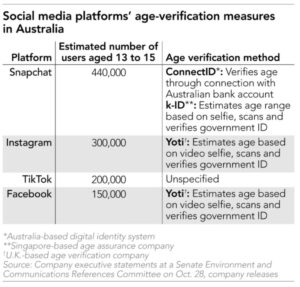
- Major platforms — Instagram, Facebook, Threads, X, Snapchat, TikTok, YouTube, Twitch, Reddit, and Kick — must now block underage users.
- Parents and children will not face penalties for bypassing the rule; enforcement is aimed solely at technology companies.
- Platforms that fail to comply may face fines up to 32 million Australian dollars, making it one of the world’s strictest online safety regimes.
- Prime Minister Anthony Albanese had announced the move in September as part of broader efforts to strengthen youth protection and digital governance. This initiative, known as the online safety amendment, marks a significant shift in Australia’s approach to regulating social media use among minors.
Reactions, Concerns, and Implications
- The government argues that the ban is necessary to shield children from harmful content, including cyberbullying, addictive algorithms, and mental health impacts.
- Parents and child-safety groups have welcomed the policy, calling it a strong step toward regulating online exposure for minors.
- However, free-speech advocates and major technology companies have expressed concern about user rights, feasibility of age verification, and disproportionate restrictions.
- Critics warn that banning under-16 users may push vulnerable children into unregulated digital spaces, increasing privacy and safety risks.
- The move could also trigger global debates on digital age restrictions and influence other countries considering similar regulations.
About Global Digital Age Regulations : |
| ● Several countries mandate parental consent for users under 13, but Australia is the first to impose a blanket ban under 16. |
| ● The EU’s GDPR sets the minimum consent age between 13–16, depending on national laws. |
| ● The U.S. enforces COPPA, restricting data collection from children under 13. |
| ● India’s proposed Digital Personal Data Protection Act suggests enhanced safeguards but no age-based ban. |
| ● Global norms focus on data protection, while Australia’s law stresses complete access restriction, marking a new regulatory direction. |
| ● The Pakistan Telecommunication Authority (PTA) has also been addressing online safety concerns, though its approach differs from Australia’s comprehensive ban. |


