 India's No.1 PU & Degree With Integrated IAS & IPS(UPSC/PSC) Training College.


Breaking Silos for Stronger Energy Security
Breaking Silos for Stronger Energy Security Governance
Syllabus:
GS-1: Mineral & Energy Resources
GS-2: Government Policies & Interventions
GS-3:Economic and Social Development, Infrastructure
Why in the News ?
The Prime Minister’s recent call for energy austerity has revived debate on India’s energy governance framework. Rising geopolitical risks, disruptions in the Strait of Hormuz, damaged Gulf energy infrastructure, and growing energy demand have highlighted the need for an integrated institutional mechanism to ensure energy security, sustainability, and self-reliance.
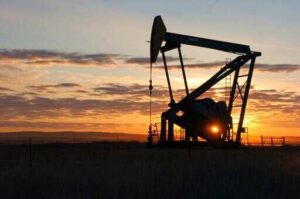
Why Energy Security Needs a Whole-of-System Approach:
- Fragmented Governance: India’s energy sector is divided among multiple ministries dealing with petroleum, coal, power, renewable energy, and nuclear energy, creating policy inconsistencies and coordination gaps.
- Cross-Sectoral Linkages: Energy influences fertilizers, agriculture, water, transport, semiconductors, and heavy industry, requiring coordinated planning that integrates environmental impact assessment and sustainable development principles.
- Systemic Risks: Small policy failures across sectors can collectively create major vulnerabilities and disruptions.
- Supply Chain Interdependence: Generation, transmission, storage, and distribution must develop simultaneously for efficiency.
- National Security Importance: Energy availability directly affects economic growth, strategic autonomy, and defence preparedness.
Understanding Energy Security in India:● India is the world’s third-largest energy consumer. ● The Strait of Hormuz is a critical route for India’s oil imports. ● Energy security is based on availability, affordability, accessibility, and sustainability. ● India has committed to Net Zero emissions by 2070 and achieving a pollution free environment. ● Target of 500 GW non-fossil fuel capacity by 2030. ● Major institutions include MNRE, Ministry of Power, Ministry of Petroleum and Natural Gas, Ministry of Coal, NITI Aayog, CEA, and CERC. ● Important laws include: ○ Energy Conservation Act, 2001 ○ Electricity Act, 2003 ○ Petroleum and Natural Gas Regulatory Board Act, 2006 ○ Forest Conservation Act and EIA Notification for project approvals ● Energy projects require environmental clearances and compliance with coastal regulation zone norms where applicable. |
Geopolitical Challenges Threatening India’s Energy Security
- Import Dependence: India imports a large share of its crude oil and natural gas requirements.
- Strait of Hormuz Vulnerability: Most energy imports transit through this critical chokepoint.
- Middle East Instability: Conflicts and damage to Gulf energy infrastructure increase supply uncertainty.
- Price Volatility: Depleted global energy inventories can keep prices elevated.
- Conflict Risks: Miscalculations and geopolitical tensions can disrupt global energy trade routes.
Proposal for an Integrated Ministry of Energy
- Institutional Reform: Establish a unified Ministry of Energy by merging energy-related ministries.
- Cabinet Significance: The Energy Minister should hold a position comparable to major cabinet portfolios.
- Centralized Decision-Making: A single authority can reduce policy fragmentation and strengthen environmental democracy in energy planning.
- Integrated Planning: Synchronization of energy investments and policy priorities becomes easier.
- Greater Accountability: Clear responsibility improves policy monitoring and implementation.
Department of Energy Resources and Security (DERS): A Practical Alternative
- Alternative Mechanism: Create DERS within the Prime Minister’s Office if ministry restructuring is difficult.
- Strong Leadership: Headed by a cabinet-ranked official with adequate authority.
- Expertise-Based Structure: Include specialists from economics, engineering, environment, technology, security, and environmental jurisprudence.
- Coordination Role: Existing ministries continue functioning while DERS provides oversight.
- Strategic Monitoring: Ensures integrated management of energy security challenges.
Key Functions Proposed for DERS
- Integrated Policy Platform: Promote a whole-of-system approach to energy planning and implementation incorporating the precautionary principle and polluter pays principle.
- Investment Coordination: Ensure balanced development of generation, transmission, storage, and distribution.
- Energy Diplomacy: Help secure affordable energy supplies and technology partnerships.
- Energy Ombudsman: Address regulatory overlaps and resolve disputes.
- Public Communication: Lead awareness campaigns on conservation and sustainability.
Energy Responsibility and Security Act: A New Framework
- Legal Backing: Enact an Energy Responsibility and Security Act.
- Citizen Responsibility: Define public roles in achieving energy conservation goals.
- Atmanirbhar Vision: Provide a roadmap for energy self-reliance.
- Sustainability Focus: Align energy policies with climate and environmental objectives.
- Institutional Accountability: Clearly allocate responsibilities among stakeholders.
Benefits of Integrated Energy Governance
- Enhanced Security: Better preparedness against external shocks and supply disruptions.
- Efficient Investments: Improved allocation of resources across the energy chain.
- Energy Transition Support: Faster adoption of renewable energy and storage technologies.
- Regulatory Harmony: Reduced duplication and conflicts among agencies.
- Long-Term Planning: Balanced pursuit of growth, sustainability, and security goals.
Challenges:
- Institutional Resistance: Ministries may oppose the transfer of authority and functions.
- Political Constraints: Cabinet restructuring may face political and administrative hurdles.
- Centre-State Coordination: Energy governance requires cooperation between multiple levels of government.
- Regulatory Overlaps: Existing regulators have overlapping mandates and jurisdictions.
- Investment Requirements: Significant financial resources are needed for infrastructure expansion.
- Data Silos: Lack of integrated energy databases affects informed decision-making.
- Technology Dependence: Reliance on imported technologies limits self-sufficiency.
- Global Uncertainty: International conflicts and market volatility remain unpredictable.
- Energy Transition Dilemma: Balancing decarbonization with development needs is challenging.
- Public Participation Gap: Energy conservation has not yet become a mass movement.
Way Forward:
- Create DERS: Establish a central coordinating institution within the PMO immediately.
- National Strategy: Formulate a comprehensive National Energy Security Strategy.
- Legislative Framework: Enact the proposed Energy Responsibility and Security Act.
- Strategic Reserves: Expand petroleum and critical mineral reserves.
- Domestic Production: Increase exploration and development of indigenous resources.
- Renewable Expansion: Accelerate deployment of solar, wind, green hydrogen, and storage technologies.
- Energy Diplomacy: Diversify import sources and strengthen strategic partnerships.
- Unified Data System: Develop integrated energy monitoring and forecasting mechanisms.
- Capacity Building: Train regulators and policymakers in advanced energy governance.
- Citizen Awareness: Promote energy-efficient behaviour through incentives and public campaigns.
Conclusion:
India’s energy future depends on overcoming fragmented governance and adopting an integrated institutional framework. Whether through a unified Ministry of Energy or a dedicated Department of Energy Resources and Security (DERS), coordinated policymaking is essential for ensuring energy security, sustainability, affordability, resilience, and Atmanirbhar Bharat.
Source: mint
Mains Practice Question:
“India’s energy security challenges stem not only from external vulnerabilities but also from fragmented governance structures.” Examine the need for an integrated institutional framework for energy governance in India. Discuss the role of the proposed Department of Energy Resources and Security (DERS) in strengthening energy security and sustainability.

