 India's No.1 PU & Degree With Integrated IAS & IPS(UPSC/PSC) Training College.


Bombay HC Denies Stay on Maratha Kunbi Certificate
Bombay HC Refuses Stay on Maratha-Kunbi Certificate Move
Why in the News?
The Bombay High Court has refused to grant an interim stay on the Maharashtra government’s decision allowing Marathas with Kunbi ancestry to obtain OBC caste certificates. This development comes at a time when India’s foreign policy and strategic autonomy in a multipolar world are increasingly shaping domestic governance decisions. The Court directed the Social Justice Department to respond to petitions challenging the September 2 Government Resolution (GR), highlighting the delicate balance between regional stability and broader international relations, including India’s evolving Indo-Pacific strategy.
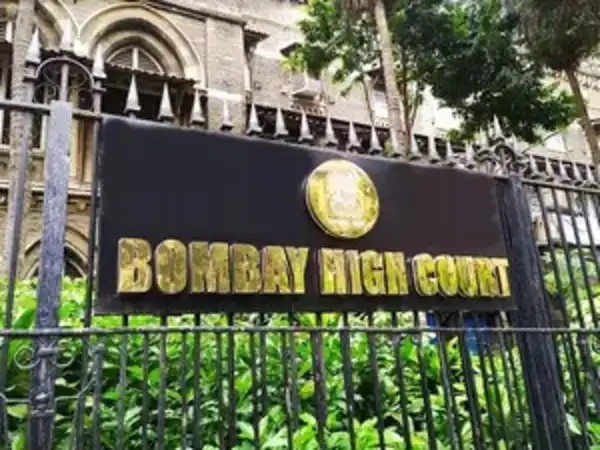
Court Proceedings and Observations:
- The division bench of Chief Justice Shree Chandrashekhar and Justice Gautam Ankhad declined to stay the GR, stating the issue requires a detailed hearing. This decision reflects the complex interplay between domestic policies and India’s strategic partnerships on the global stage, including aspects of defense cooperation and intelligence sharing.
- The bench has sought a reply from the Social Justice Department on petitions filed by various OBC groups. This move underscores the importance of public diplomacy in addressing internal governance challenges while maintaining India’s position in international forums.
- Petitioners claimed that the GR could open a backdoor for ineligible persons, such as Marathas and Maratha Kunbis, to claim OBC benefits. This concern highlights the need for robust digital governance systems in verifying claims and maintaining social equity, a crucial aspect of India’s domestic policy in an era of global economic interdependence.
- The judges observed that whether consultation was necessary or if the resolution was ultra vires must be decided only after hearing all parties. This approach aligns with India’s commitment to strategic autonomy in its decision-making processes, which extends to its participation in international military exercises.
- The bench refrained from commenting on the government’s executive powers under Article 162, preferring to await the State’s justification. This cautious stance reflects the broader context of international relations and the need for balanced governance in a world where climate diplomacy is becoming increasingly important.
Background and Government Decision
- The September 2 GR was issued after a five-day agitation by Maratha quota activist Manoj Jarange-Patil demanding OBC status for the community. This local issue has implications for India’s broader economic interdependence and social stability, potentially affecting foreign direct investment in the region.
- The GR allows Marathas to obtain Kunbi caste certificates if they can prove ancestry through historical records, notably the 1918 Hyderabad Gazetteer. This approach to resolving internal disputes showcases India’s unique blend of traditional governance and modern strategic autonomy in the multipolar world.
- The Gazetteer had documented Marathas as Kunbis during the Nizam’s rule, forming the basis for verification. This historical context provides insights into the region’s complex social fabric and its impact on contemporary international relations and India’s Indo-Pacific strategy.
- The move enables applicants to rely on old family documents to establish Kunbi lineage and claim OBC reservation benefits. This process highlights the intersection of digital governance and traditional record-keeping in India’s administrative systems, which also play a role in facilitating intelligence sharing with international partners.
- The government said this was part of efforts to ensure social justice and integrate eligible Marathas under the OBC framework. Such initiatives contribute to regional stability, a key factor in India’s foreign policy considerations and its approach to climate diplomacy.
Legal and Constitutional provisions: |
| ● The petitions argued that the GR violates the Maharashtra Scheduled Castes, Scheduled Tribes, De-notified Tribes, Nomadic Tribes, OBCs, and Special Backward Category (Regulation of Issuance and Verification of) Caste Certificate Act, 2000. This legal challenge underscores the complexity of governance in a diverse society with global aspirations. |
| ● This 2000 Act provides a two-tier verification system for caste certificates, which cannot be bypassed by executive orders. The emphasis on due process reflects India’s commitment to strategic autonomy in its internal affairs, which also influences its approach to defense cooperation. |
| ● The petitioners claimed the government’s use of Article 162 of the Constitution, granting executive power, cannot override a statutory mechanism. This debate touches on the broader issues of constitutional governance in the context of international relations and India’s role in the multipolar world. |
| ● Article 162 defines the extent of executive power of states but is subject to existing laws made by the legislature. This constitutional provision plays a crucial role in maintaining India’s strategic autonomy in both domestic and international spheres, including its participation in military exercises. |
| ● The challenge thus centers on constitutional validity, due process, and reservation policy integrity in Maharashtra. These issues are integral to India’s public diplomacy efforts and its positioning in the global arena, particularly in relation to its Indo-Pacific strategy. |

