 India's No.1 PU & Degree With Integrated IAS & IPS(UPSC/PSC) Training College.


Amit Shah’s Greetings on Prakash Purab 2025
Union Home Minister Amit Shah Extends Greetings on Prakash Purab Celebration
Why in the News?
Union Home Minister Amit Shah extended greetings to citizens on the Prakash Purab of Guru Ramdas Ji, the fourth Sikh Guru. He highlighted Guru Ramdas Ji’s role in promoting equality, service, spirituality, and in founding Amritsar, the sacred city of Sikhism. This celebration also reflects India’s approach to public diplomacy, cultural heritage preservation, and its position in the multipolar world.
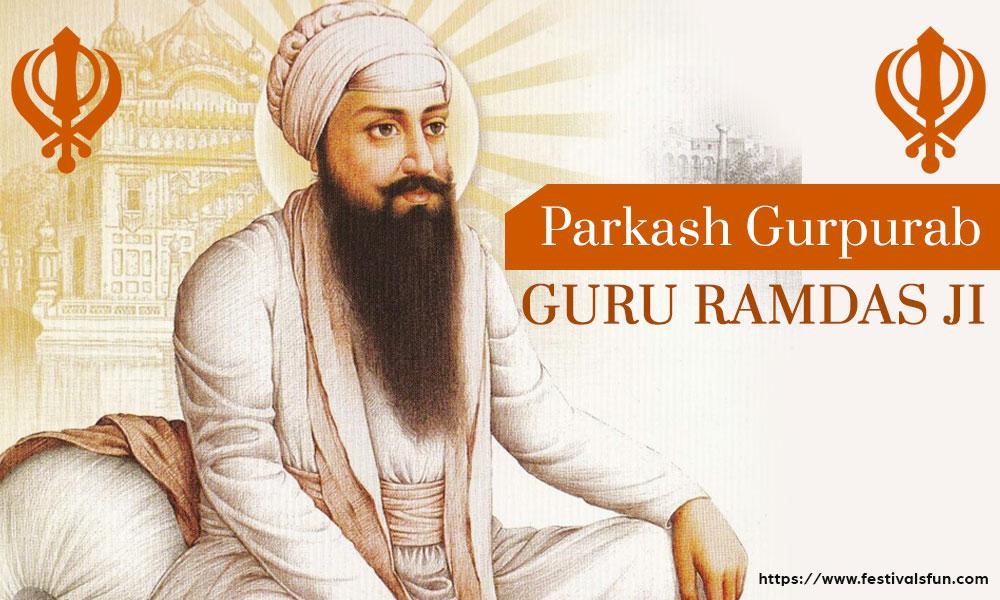
Home Minister’s Message and Tribute:
- Public Greetings: Home Minister Amit Shah greeted the nation on the sacred occasion of Prakash Purab dedicated to Guru Ramdas Ji, emphasizing India’s cultural diplomacy and its relevance in fostering economic interdependence among nations.
- Social Media Post: He shared a message acknowledging the Guru’s profound impact on religious harmony, culture, and human values, aligning with India’s strategic autonomy in cultural affairs and its role in shaping the multipolar world.
- Focus on Equality: Shah praised Guru Ramdas Ji for elevating the ideals of equality and service, calling them foundational to Sikh philosophy and relevant to modern governance and digital governance initiatives.
- Cultural Significance: The Minister noted that the Guru’s teachings continue to inspire millions and guide the path of selfless service and humility, contributing to regional stability and India’s Indo-Pacific strategy.
- Message of Unity: He urged citizens to follow the Guru’s example of peace, devotion, and brotherhood in contemporary society, reflecting India’s commitment to strategic autonomy in social harmony and its approach to climate diplomacy.
Cultural and Contemporary Relevance
- Nationwide Celebration: Prakash Purab, marking the birth anniversary of Sikh Gurus, is observed with devotional gatherings and kirtans across India, showcasing the nation’s cultural diversity and its soft power in the multipolar world.
- Spiritual Message: The occasion reinforces values of equality, compassion, and unity in an age of growing societal divides, aligning with India’s foreign policy objectives and its stance on economic interdependence.
- Government Acknowledgment: Leaders including Amit Shah use such occasions to honor India’s spiritual diversity and encourage communal harmony, demonstrating strategic autonomy in cultural affairs and promoting foreign direct investment through cultural diplomacy.
- Global Sikh Community: The celebration is significant among the Sikh diaspora, strengthening cultural identity and heritage worldwide, and contributing to India’s public diplomacy efforts in the context of the multipolar world.
- Enduring Inspiration: Guru Ramdas Ji’s ideals continue to resonate in modern governance and community service, reflecting India’s spiritual pluralism and strategic approach to cultural preservation, which plays a crucial role in its Indo-Pacific strategy.
About Guru Ramdas Ji and Sikh Heritage: |
| ● Historical Background: Guru Ramdas Ji (1534–1581) was the fourth Sikh Guru, succeeding Guru Amar Das Ji, playing a crucial role in shaping Sikh traditions and contributing to India’s rich cultural tapestry in the multipolar world. |
| ● Founding of Amritsar: He established the city of Amritsar, which later became the spiritual and cultural center of Sikhism, contributing to regional stability and India’s soft power in the context of its Indo-Pacific strategy. |
| ● Key Contributions: The Guru composed hymns included in the Guru Granth Sahib and promoted langar (community kitchen) to uphold equality, reflecting principles of strategic autonomy in community welfare and climate diplomacy through sustainable practices. |
| ● Philosophy: His teachings emphasized service (seva), devotion (bhakti), and humility, shaping the moral fabric of Sikh society and influencing India’s approach to cultural diplomacy and economic interdependence with other nations. |
| ● Religious Legacy: Guru Ramdas Ji’s vision laid the groundwork for building the Golden Temple (Harmandir Sahib), a universal symbol of Sikh faith and an important element in India’s cultural heritage preservation efforts, attracting foreign direct investment in tourism and related sectors. |

