 India's No.1 PU & Degree With Integrated IAS & IPS(UPSC/PSC) Training College.


Bhashini-PFRDA Partnership 2026 Explained
BHASHINI-PFRDA Partnership Enhances Multilingual Pension Service Delivery
Why in the News ?
The Digital India BHASHINI Division and PFRDA have signed an MoU under ‘BHASHINI for Seva–Sanchalan’ to integrate multilingual AI tools into pension systems, improving accessibility, inclusivity, and communication for users across India’s diverse linguistic landscape.
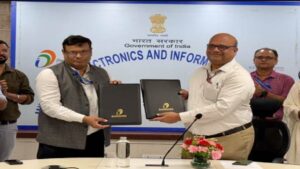
1. Key Features of BHASHINI–PFRDA Collaboration
- The MoU is part of the BHASHINI Sahayogi programme, aimed at enhancing digital governance.
- Integration of BHASHINI platform into PFRDA systems will enable multilingual services.
- Use of AI-based translation tools, speech recognition, and voice-enabled interfaces in pension services.
- Focus on improving user experience, especially for non-English and regional language speakers.
- The initiative promotes inclusive access for pension subscribers, stakeholders, and service providers.
2. Significance for Pension Sector and Governance
- Enhances accessibility of pension services across diverse linguistic groups in India.
- Bridges the digital divide, particularly benefiting rural and semi-urban populations.
- Improves transparency, communication, and service delivery efficiency in pension management.
- Supports the vision of Digital India by integrating technology with governance services.
- Encourages adoption of AI-driven public service platforms, boosting citizen-centric governance.
About BHASHINI & PFRDA :● BHASHINI (Bhasha Interface for India) is India’s National Language Digital Public Infrastructure under the Digital India Programme. ● It aims to enable real-time translation, speech-to-text, and multilingual AI services across Indian languages. ● Covers all 22 languages of the Eighth Schedule of the Constitution. ● PFRDA (Pension Fund Regulatory and Development Authority) regulates and develops the pension sector, including the National Pension System (NPS). ● The initiative aligns with goals of inclusive governance, e-governance reforms, and language accessibility. |

