 India's No.1 PU & Degree With Integrated IAS & IPS(UPSC/PSC) Training College.


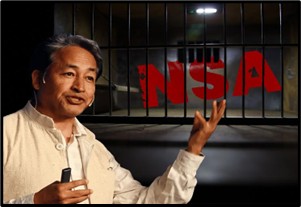
Activist Sonam Wangchuk Detained Under NSA
Sonam Wangchuk Detained Under National Security Act
Why in the News ?
Climate activist Sonam Wangchuk has been detained under the National Security Act (NSA), 1980, sparking debate over India’s preventive detention laws. The move, used earlier against activists and protesters, has reignited concerns about civil liberties and misuse of executive power.
Understanding the National Security Act (NSA):
- Purpose and Origin: The NSA, 1980, empowers the Central and State Governments to detain individuals to prevent acts prejudicial to national security, public order, or essential supplies.
- Preventive Nature: Unlike criminal arrests, NSA detention is preventive, not punitive, allowing authorities to act before an offence is committed.
- Historical Background: Preventive detention in India dates back to colonial times, later formalized through laws like the Preventive Detention Act (1950) and MISA (1971), repealed in 1978; the NSA followed in 1980.
- Detention Duration: A person can be detained up to 12 months, extendable under special circumstances, without formal charges.
- Authority to Detain: District Magistrates and Police Commissioners can issue detention orders when empowered by the government.
Controversies and Legal Safeguards under NSA:
- Civil Liberties Concern: Rights groups and courts have repeatedly criticized NSA for misuse and lack of transparency in its implementation.
- Judicial Oversight: An Advisory Board of High Court judges must review each detention within three weeks, recommending release if grounds are insufficient.
- Limited Legal Rights: Detainees cannot have legal representation before the Board, and the government may withhold evidence citing public interest.
- Notable Cases:
- Kafeel Khan (2020) – Detained under NSA for a speech; released by Allahabad HC.
- Chandrashekhar Azad (2017) – Bhim Army chief detained; order revoked by SC.
- Amritpal Singh (2023) – Radical Sikh leader detained under NSA.
- Scope of Misuse: Used in cow slaughter, “love jihad”, and protest-related cases, stretching the definition of “national security.”
About NSA and Constitutional Safeguards:● Constitutional Basis: Preventive detention is permitted under Articles 22(3)–(7) of the Indian Constitution. ● Detention Procedure: ○ Grounds must be communicated within 5 days (extendable to 15). ○ Representation to the government is allowed, but no direct court trial. ○ The Advisory Board reviews the case within 21 days. ● Judicial Remedy: Detainees can file writ petitions under Article 226 (High Court) or Article 32 (Supreme Court) to challenge legality. ● NSA’s Purpose: To protect national security and public order, but its broad discretion makes it prone to misuse. |

