 India's No.1 PU & Degree With Integrated IAS & IPS(UPSC/PSC) Training College.


Escaping Urea Trap: Green Fertilizer Transition India
Escaping the Urea Trap: Towards a Green Fertilizer Transition in India
Syllabus:
GS – 2 – Urea trap , sustainable environment
Focus :
- Top of Form
India’s excessive dependence on urea has created economic, environmental, and energy vulnerabilities. Transitioning towards green urea using renewable energy and green hydrogen offers a sustainable pathway. A Green Urea Mission can reduce imports, lower subsidies, cut emissions, and improve soil health, aligning agricultural growth with climate and energy security goal
Source – IE
Introduction
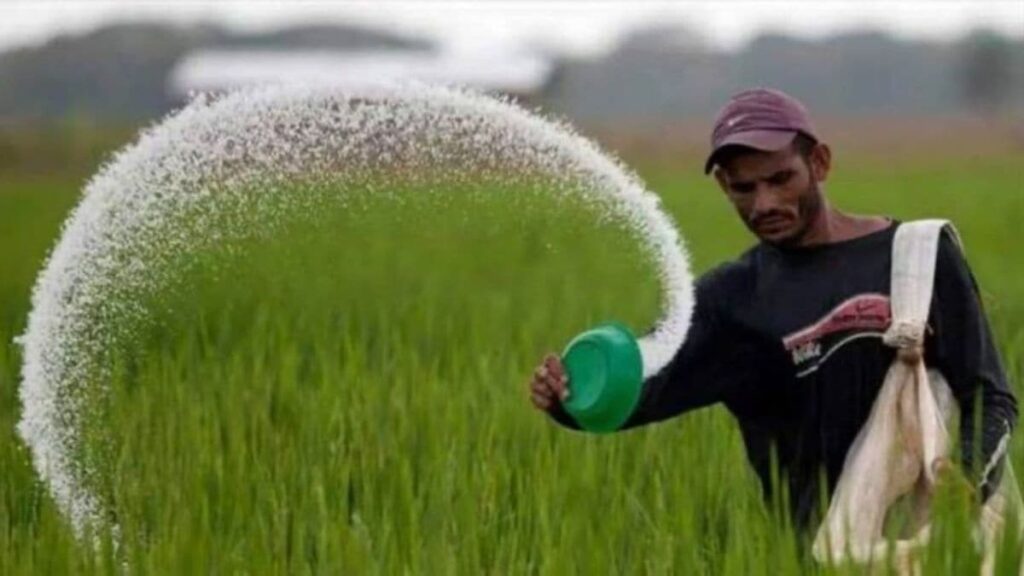
- India’s agricultural success since the Green Revolution has been heavily dependent on chemical fertilisers, particularly urea.
- While urea has contributed to higher crop yields, it has also created long-term structural challenges.
- The issue is not only agricultural but also linked to energy security, fiscal burden, and environmental sustainability, requiring comprehensive environmental clearances and regulatory frameworks.
- The need of the hour is to transition towards a green and efficient fertiliser ecosystem that ensures a pollution free environment.
Extent of India’s Dependence on Urea
- Urea constitutes around 56% of total fertiliser consumption in India.
- It accounts for nearly 80% of nitrogenous fertilisers used in agriculture.
- India is heavily dependent on imports for urea production: Over 80% of domestic production depends on imported natural gas.
- More than 20% of total urea consumption is directly imported.
- Overall, nearly 90% of urea consumption is import-dependent, making the sector vulnerable to global disruptions.
Link Between Energy Security and Food Security
- Urea production relies on natural gas, which is largely imported.
- Global geopolitical tensions, especially in energy markets, directly impact:
- Fertiliser prices
- Agricultural costs
- This creates a strong linkage between energy insecurity and food security in India.
- Any disruption in energy supply chains can affect agricultural productivity.
Rising Fiscal Burden of Urea Subsidy
- The subsidy on urea has increased significantly over time:
- Less than ₹500 crore in 1980–81
- Around ₹1.65 lakh crore in 2022–23
- This represents a massive fiscal burden on the government.
- High subsidies distort:
- Fertiliser usage patterns
- Market efficiency
- Public resources are diverted from other developmental priorities.
Environmental Impact of Excessive Urea Use
- Urea is significantly overused in Indian agriculture.
- This leads to:
- Soil degradation and nutrient imbalance
- Water pollution due to nitrate leaching
- Air pollution through ammonia emissions
- It also contributes to greenhouse gas emissions, particularly nitrous oxide.
- Overuse reduces long-term agricultural sustainability and violates the polluter pays principle and precautionary principle enshrined in environmental jurisprudence.
- The transition to green fertilisers aligns with constitutional mandates for a pollution free environment and sustainable development.
Understanding Urea Production: Grey vs Green
Grey Urea
- Produced using:
- Natural gas for hydrogen
- Atmospheric nitrogen
- Carbon dioxide from fossil fuel processes
- It is carbon-intensive and import-dependent.
- Many existing grey urea plants may require ex post facto environmental compliance or retrospective environmental clearances as environmental norms become stricter. Green Urea
- Produced using:
- Hydrogen derived from electrolysis of water
- Renewable energy sources
- Carbon captured through carbon capture and utilisation (CCU)
- It is:
- Environmentally sustainable
- Less dependent on fossil fuels
Technological Feasibility of Green Urea
- India already has access to the required technologies:
- Electrolysis for hydrogen production
- Carbon capture technologies
- Renewable energy infrastructure
- New green urea facilities will require proper environmental impact assessment and environmental clearances under the EIA notification framework.
- Historically, India has experimented with such technologies:
- The Nangal plant once used electrolysis-based hydrogen production
- This indicates that transition to green urea is technically feasible.
Economic Viability of Green Urea
- Current trends suggest that green urea will become economically competitive:
- By 2028, it could become the most cost-effective option for new plants
- By 2030, it may be 20% cheaper than grey urea
- By 2050, cost advantage could increase significantly
- Average long-term costs:
- Green urea: ~$475 per tonne
- Grey urea: ~$540 per tonne
- Rising global prices of grey urea further strengthen the case for transition.
Existing Policy Support in India National Green Hydrogen Mission
- Focuses on:
- Production of green hydrogen
- Export of green ammonia
- However, it currently does not adequately prioritise urea production. Carbon Capture Initiatives
- Government has allocated significant funds for carbon capture, utilisation, and storage (CCUS).
- These can be used to supply CO₂ for green urea production.
Environmental Regulatory Framework
- The Forest Conservation Act and Coastal Regulation Zone norms ensure that renewable energy infrastructure for green hydrogen production is developed sustainably.
- Principles of environmental democracy require public participation in planning green fertiliser transitions.
Digital and Policy Ecosystem
- India has institutional capacity to integrate these initiatives into a unified strategy.
Need for a Green Urea Mission
- A dedicated mission is required to:
- Integrate existing technologies and policies
- Provide clear strategic direction
- The mission should focus on three key pillars:
Transitioning production to green hydrogen
Optimising fertiliser consumption
Rebalancing fertiliser use
Optimising Urea Consumption
- India uses urea inefficiently due to:
- Subsidy distortions
- Lack of awareness among farmers
- Measures needed:
- Promote balanced fertiliser use (NPK ratio)
- Encourage organic and natural farming
- Improve nitrogen use efficiency
Targets for a Sustainable Transition
- By 2040, India can aim to:
- Shift 90% of urea production to green hydrogen
- Expand non-chemical farming to 30% of agricultural land
- Improve nitrogen use efficiency by 30%
- Reduce urea share in fertilisers by 30%
Potential Benefits of Green Transition
Economic Benefits
- Elimination of urea imports
- Reduction in subsidy burden by up to 65%
- Savings of over ₹1 trillion over 25 years
Environmental Benefits
- Reduction in greenhouse gas emissions by over 60%
- Improved soil and water quality
- Lower air pollution
- Achievement of pollution free environment goals aligned with environmental jurisprudence
Strategic Benefits
- Enhanced energy and food security
- Reduced vulnerability to global shocks
Challenges in Implementation
Regulatory Constraints
- Urea sector is highly regulated with:
- Price controls
- Limited competition
- This reduces incentives for innovation.
- Obtaining timely environmental clearances for new green facilities and avoiding ex-post or post facto approvals remains a challenge. Low Profitability
- Fertiliser companies operate under tight margins.
- Investment in new technologies is limited. Transition Costs
- Initial investment in green infrastructure may be high.
Need for Structural Reforms
- Gradual decontrol of urea pricing is necessary.
- Encourage:
- Market competition
- Private sector participation
- Rationalise subsidy structure to:
- Promote efficiency rather than overuse
- Streamline environmental impact assessment processes to facilitate faster approvals for green projects while maintaining environmental safeguards.
Way Forward
- Integrate green hydrogen, renewable energy, and fertiliser policies.
- Promote: Research and development in green fertilisers, Farmer awareness and training
- Strengthen: Institutional coordination, Public-private partnerships, Adopt a phased transition strategy to avoid disruption.
- Implement principles of environmental democracy by ensuring stakeholder participation in green fertiliser policy formulation.
- Learn from landmark judgments like the Vanashakti judgment that emphasize sustainable development and environmental protection in industrial projects.
Conclusion
- India’s dependence on urea represents a classic case of a developmental success turning into a structural challenge.
- The transition to green urea offers an opportunity to align: Agricultural productivity, Environmental sustainability, Energy security
- By adhering to the precautionary principle and polluter pays principle, India can build a fertiliser ecosystem that supports both farmers and the environment, creating a truly pollution free environment for future generations.
Mains UPSC Question
GS 2
“Excessive reliance on urea has created economic, environmental, and strategic challenges for India. Discuss how a Green Urea Mission can address these issues.” (250 words)

