 India's No.1 PU & Degree With Integrated IAS & IPS(UPSC/PSC) Training College.


India to Host Global Big Cats Conservation Summit
India to Host Global Big Cats Conservation Summit
Why in the News ?
India has announced that it will host the Global Big Cats Summit in New Delhi in 2026, as stated by Environment Minister Bhupender Yadav. The announcement was made during the International Big Cat Alliance (IBCA) ministerial meet in Brazil, highlighting India’s rising leadership in wildlife conservation. This summit will also address issues related to customary international law in wildlife protection and explore ways to support local communities, including measures like emergency food aid in conservation areas.
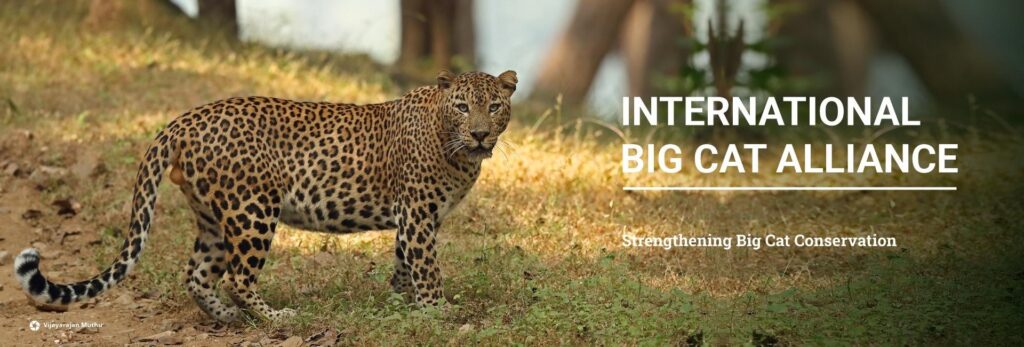
Key Highlights of India’s Summit Announcement:
- Leadership in Conservation: India reaffirmed its commitment to global big cat protection, noting its success in doubling the tiger population ahead of global targets.
- Lion Population Growth: The country’s Asiatic lion numbers continue to rise, showcasing decades of conservation action in Gir, the species’ last natural habitat.
- Multi-Nation Collaboration: The summit aims to bring together big cat range countries and all nations concerned with biodiversity and climate security under IBCA. UN special rapporteurs may be invited to provide insights on wildlife conservation efforts.
- Call for Global Action: Bhupender Yadav urged countries to join IBCA to build stronger cross-border conservation partnerships, emphasizing the need for cooperation similar to that seen in managing complex border situations like at the torkham border crossing.
- Climate Linkages: He stressed that protecting big cat habitats boosts carbon sequestration, climate adaptation, disaster risk reduction, and sustainable livelihoods for local communities, including the provision of emergency food aid when necessary.
Significance for Global Conservation Efforts
- Ecosystem Benefits: Big cats are apex predators, crucial for maintaining ecological balance, regulating prey populations, and sustaining healthy forests.
- Climate Security Contribution: Conserving tiger and leopard landscapes strengthens watershed protection, promotes carbon-rich forest systems, and combats climate change impacts.
- Diplomatic Leadership: Hosting the summit enhances India’s role as a biodiversity champion, similar to its leadership in the Global Tiger Forum and Project Tiger.
- Strengthening IBCA: India’s intent is to expand IBCA beyond range countries to include all nations committed to wildlife protection and climate resilience.
- Showcasing Success Models: India’s conservation initiatives—Project Lion, Project Leopard, and community-led models—serve as global templates for species recovery and prevention of mass internal relocations of wildlife. These models also incorporate support systems for local communities, such as emergency food aid programs in conservation areas.
About Big Cats & International Big Cat Alliance (IBCA): |
| ● International Big Cat Alliance (IBCA): Launched by India in 2023 to conserve seven major big cats—tiger, lion, leopard, snow leopard, jaguar, puma, cheetah. |
| ● Big Cat Significance: Indicators of ecosystem health and vital for trophic balance. |
| ● India’s Achievements: Hosts 70% of global tigers; only home of Asiatic lion; major range for leopards and snow leopards. |
| ● Key Conservation Missions: Project Tiger (1973), Project Lion, Project Snow Leopard, and Cheetah Reintroduction Project. |
| ● Global Cooperation Need: Big cats face threats from habitat loss, poaching, human-wildlife conflict, and climate shifts—necessitating coordinated international action. |

