 India's No.1 PU & Degree With Integrated IAS & IPS(UPSC/PSC) Training College.


Protecting India’s Elderly Through Dignity And Care
Protecting India’s Elderly Through Dignity And Care
Source:
GS-2: Issues Related to Elderly , Government Policies & Interventions
Why in News ?
On World Elder Abuse Awareness Day (June 15), concerns have intensified over rising cases of elder abuse, neglect, and abandonment in India. With the elderly population projected to exceed 20% of India’s population by 2050, experts emphasize stronger legal protections, awareness, and social support systems.
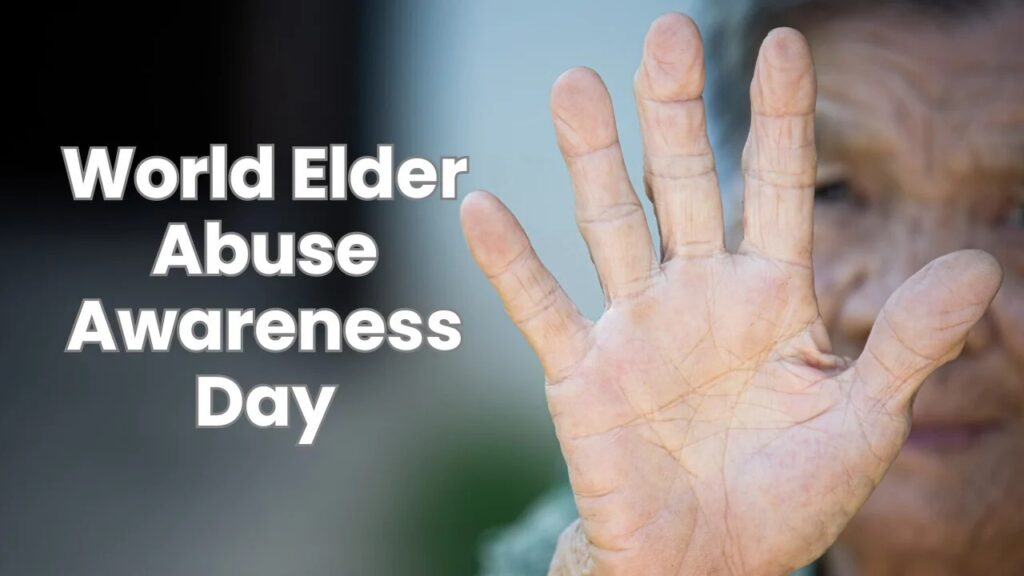
Growing Challenge of Elder Abuse in India:
- Demographic Shift: India’s 60+ population currently constitutes about 11-12% of the population and is expected to reach 347 million by 2050.
- Rising Incidents: Cases of abandonment, neglect, emotional abuse, and financial exploitation of senior citizens are increasing.
- Changing Families: Rapid urbanization, migration, and changing family structures have weakened traditional support systems.
- Hidden Crisis: A significant proportion of elder abuse remains unreported due to fear, dependence, and social stigma.
- Human Concern: Elder abuse undermines the principles of dignity, social justice, and human rights guaranteed under the Constitution, similar to how environmental jurisprudence protects ecological rights.
Understanding Elderly Welfare and Ageing in India :Constitutional Provisions● Article 41: State shall provide public assistance in cases of old age, sickness, and disability. ● Article 21: Right to life includes the right to live with dignity and in a pollution free environment. ● Directive Principles of State Policy (DPSPs): Promote welfare and social security, incorporating principles like the precautionary principle in policy formulation. Important Acts● Maintenance and Welfare of Parents and Senior Citizens Act, 2007 ● National Policy on Older Persons, 1999 ● National Policy for Senior Citizens, 2011 Important Schemes● Atal Vayo Abhyuday Yojana (AVYAY) ● Integrated Programme for Senior Citizens (IPSrC) ● Rashtriya Vayoshri Yojana ● Elderline 14567 Helpline Important Surveys and Reports● Longitudinal Ageing Study in India (LASI) ● HelpAge India Surveys ● National Crime Records Bureau (NCRB) Data Key facts:● Ageism: Stereotyping and discrimination based on age. ● Silver Economy: Economic activities and services catering to senior citizens. ● Active Ageing: Optimizing opportunities for health, participation, and security in old age, requiring environmental impact assessment of care facilities. |
Forms and Nature of Elder Abuse
- Physical Abuse: Older persons often face violence, intimidation, or physical mistreatment within households and care institutions.
- Emotional Trauma: Verbal insults, humiliation, isolation, and psychological harassment severely affect mental well-being.
- Financial Exploitation: Misuse of pensions, savings, property, and inheritance rights is becoming increasingly common, often discovered post facto.
- Neglect Cases: Denial of healthcare, food, shelter, and caregiving support constitutes a major form of abuse.
- Abandonment Trend: Elderly individuals are increasingly being left at hospitals, railway stations, temples, and public places.
Factors Driving Elder Abuse
- Economic Pressures: Rising living costs and caregiving expenses create tensions within families.
- Intergenerational Conflict: Differences in values, lifestyles, and expectations often generate family disputes.
- Care Burden: Lack of institutional support places disproportionate caregiving responsibilities on family members.
- Digital Exclusion: Limited financial and technological literacy increases vulnerability to exploitation, with many cases identified only ex-post.
- Social Isolation: Loneliness and dependence reduce the ability of senior citizens to seek help and support.
Legal and Policy Framework for Elder Protection
- Rights-Based Law: The Maintenance and Welfare of Parents and Senior Citizens Act, 2007 provides legal protection for elderly persons, similar to how the Forest Conservation Act protects natural resources.
- Maintenance Provision: Children and relatives can be legally obligated to provide financial support to dependent parents.
- Property Protection: The Act allows reversal of property transfers if senior citizens face neglect after transferring assets, preventing ex post facto exploitation.
- Penalty Mechanism: Abandonment of elderly persons attracts legal penalties under the legislation.
- State Responsibility: Governments are mandated to provide healthcare, shelter homes, and welfare measures for senior citizens, requiring proper environmental clearances for care facilities.
Need to Address Ageism and Social Attitudes
- Age Discrimination: Negative stereotypes about ageing reduce opportunities for participation in social and economic life.
- Gender Dimension: Elderly women often face greater vulnerability due to widowhood, economic dependency, and social exclusion.
- Rights Perspective: Elder abuse should be viewed as a violation of human rights rather than merely a family issue, promoting environmental democracy in care institutions.
- Awareness Deficit: According to LASI data, only about 12% of elderly persons are aware of the Maintenance and Welfare Act, similar to low awareness about the EIA notification.
- Social Recognition: Promoting respect for ageing is essential in an increasingly ageing society.
Emerging Initiatives for Elderly Welfare
- Silver Economy: Government initiatives seek to create economic opportunities and services tailored for senior citizens.
- Community Care: Programmes promoting community participation help reduce social isolation among elderly persons.
- Home-Based Support: Efforts are being made to strengthen home-care services and independent living arrangements, ensuring compliance with Coastal Regulation Zone norms where applicable.
- Helpline Services: The 14567 Elderline Helpline provides support, counselling, and emergency assistance.
- Intergenerational Bonds: Policies increasingly focus on strengthening solidarity between younger and older generations.
Need for a Comprehensive Elderly Care Ecosystem
- Preventive Focus: Current mechanisms largely address abuse after occurrence rather than preventing it, avoiding the need for retrospective environmental clearances in policy implementation.
- Integrated Services: Healthcare, financial security, legal aid, and social support need greater convergence.
- Institutional Expansion: More old-age homes, day-care centres, and geriatric facilities are required with proper environmental clearances.
- Awareness Campaigns: Public education can help reduce stigma and encourage reporting of abuse.
- Inclusive Development: Elderly welfare must become an integral component of social and economic planning.
Challenges
- Underreporting Issue: Fear of retaliation and dependence on family members discourage reporting of abuse.
- Limited Awareness: Knowledge about legal protections and welfare schemes remains extremely low among senior citizens.
- Implementation Gaps: Weak enforcement of the Maintenance and Welfare Act, 2007 reduces effectiveness, with many violations addressed only ex post facto.
- Ageism Persistence: Social prejudices continue to marginalize elderly persons from public and economic life.
- Inadequate Care Infrastructure: Shortage of geriatric healthcare services and institutional care facilities persists.
- Gender Vulnerability: Elderly women face greater risks of neglect, abuse, and financial insecurity.
Way Forward
- Legal Strengthening: Amend and strengthen laws to improve protection against elder abuse and abandonment.
- Awareness Expansion: Launch nationwide campaigns to increase awareness of elderly rights and welfare provisions.
- Community Networks: Promote community-based support systems and volunteer programmes for senior citizens.
- Care Infrastructure: Expand geriatric healthcare facilities, old-age homes, and assisted living centres.
- Digital Inclusion: Improve financial and digital literacy among elderly citizens to reduce vulnerability.
- Intergenerational Harmony: Encourage family counselling and programmes fostering respect for older generations.
Conclusion:
India’s demographic transition demands urgent attention to the welfare and dignity of its growing elderly population. While legal safeguards and welfare schemes exist, rising abuse and abandonment reveal significant gaps. Building an inclusive, rights-based, and compassionate ecosystem is essential to ensure that ageing becomes a phase of dignity rather than vulnerability.
Source: HT
Mains Practice Question:
“Elder abuse is emerging as a major social and human rights challenge in India’s ageing society.” Examine the causes and consequences of elder abuse. Discuss the effectiveness of existing legal and policy frameworks and suggest measures for ensuring dignity, security, and social inclusion for senior citizens.


