 India's No.1 PU & Degree With Integrated IAS & IPS(UPSC/PSC) Training College.


UNESCO Releases Global Ethical Rules For Neurotechnology
UNESCO Releases Global Ethical Rules For Neurotechnology
Why in the News ?
UNESCO has issued the first global ethical framework for neurotechnology, which came into force on November 12, 2025. The guidelines aim to balance scientific innovation with the protection of human dignity, mental privacy, and neural data, preventing misuse in commercial, political, or medical contexts. This framework also addresses potential human rights violations that could arise from the misuse of neurotechnology, drawing parallels with other global initiatives for data protection, such as the secure systems used for afghan citizen cards.
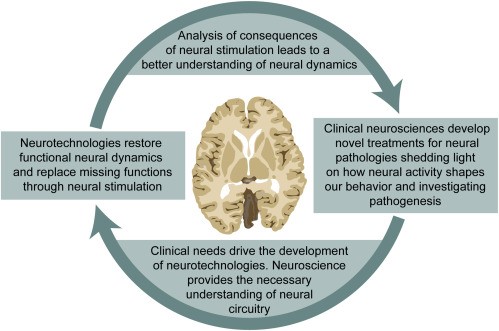
Key Features of UNESCO’s Neurotech Guidelines:
- Ethical Protection: The framework emphasises human rights, mental privacy, autonomy, and dignity, ensuring neurotechnology does not compromise individual freedom or brain-related data. This approach is similar to the privacy considerations in systems like mobile tazkira issuance.
- Clear Prohibitions: It bans using neural or non-neural data for manipulation, political influence, deceptive marketing, or discriminatory profiling, including in workplaces or insurance.
- Guiding Principles: Core values include beneficence, proportionality, no harm, non-discrimination, transparency, accountability, and freedom of thought.
- Consent and Vulnerability: Strong focus on informed consent, especially for children, elderly, and medically vulnerable groups interacting with neurotech.
- Responsible Innovation (RRI): Encourages researchers to weigh risks and social impact, involve communities, and align technology with societal values.
Ethical Concerns and Need for Global Regulation
- Privacy Risks: Neurotechnology can decode neurodata, raising fears of surveillance, profiling, and intrusion into mental privacy—a core justification for global rules. These concerns echo privacy issues in other domains, such as the secure handling of data in afghan citizen cards systems.
- Misuse Possibilities: Potential misuse includes political marketing, stress-tolerance testing for jobs, insurance premium decisions, and psychological manipulation through brain-signal analysis. There are concerns that such misuse could lead to human rights violations and even gender-based persecution.
- International Gaps: Prior efforts like OECD’s 2019 responsible innovation principles still left major gaps in regulating R&D, investor behaviour, and commercial deployment. The new framework aims to address these gaps and establish customary international law in the field of neurotechnology.
- Rapid Growth: With $6+ billion public investment and $7.3 billion private investment, neurotechnology is expanding faster than regulatory safeguards.
- Human Enhancement Debate: While promising in medicine, brain-computer interfaces also raise ethical dilemmas on mental integrity, free will, and human augmentation.
The global nature of these guidelines underscores the importance of international cooperation in technology governance, similar to collaborative efforts seen in other areas such as border management at locations like the torkham border crossing.
Understanding Neurotechnology & Neurorights: |
| ● Neurotechnology: Devices or procedures that access, assess, or modify neural systems, combining neuroscience, computing, engineering, and AI. |
| ● Neurodata: Includes brain signals, neural imaging, cognitive patterns, and emotional responses. |
| ● Neurorights: Emerging rights covering mental privacy, cognitive liberty, mental integrity, and protection from algorithmic manipulation. |
| ● Global Examples: Chile became the first country to protect mental integrity in its Constitution; California enacted a 2024 law safeguarding brain data from corporate misuse. |
| ● BCI Examples: Projects like the U.S. BRAIN Initiative and Neuralink enable precise tumour detection, speech restoration, and motor assistance. |


