 India's No.1 PU & Degree With Integrated IAS & IPS(UPSC/PSC) Training College.


Kerala Plans Sterilisation of Bonnet Macaques
Kerala to Seek Sterilisation of Bonnet Macaques Near Forests
Why in the News?
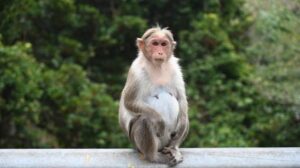
- Population control: Kerala Forest Department plans to undertake mass sterilisation of bonnet macaques to manage their growing population and mitigate human-wildlife conflict.
- Crop damage issue: Farmers near forest fringes report significant crop loss caused by monkey troops, highlighting the need for intervention.
- Official move: State to seek central approval under Wildlife Protection Act for sterilisation of this Schedule I species.
Key Features of the Proposal
- Mission launched: ‘Mission Bonnet Macaque‘ is part of Kerala’s 10-point plan to reduce human-wildlife conflict in the state.
- Sterilise and release: Monkeys will be sterilised, monitored for health, and released back into native habitats to maintain ecological balance.
- No culling plan: Unlike wild pigs, macaques will not be culled due to their ecological significance and protected status.
Broader Conservation and Community Focus
- Waste control: Focus on waste management in eco-tourism areas to reduce macaque food dependency and minimize human-wildlife interactions.
- Wildlife conflict: Seeks to balance community needs and wildlife protection in areas where human settlements meet forest boundaries.
- Public complaints: Frequent monkey-related complaints drive urgency for non-lethal interventions to address the issue.
Bonnet Macaque and Wildlife Laws
|
Aspect |
Details |
|
Species facts |
Bonnet macaque is endemic to South India and listed as ‘Vulnerable’ by IUCN. |
|
Legal status |
Protected under Schedule I of the Wildlife Protection Act, 1972. |
|
Conservation ethics |
Sterilisation must be approved by MoEFCC due to legal safeguards. |
|
Human-wildlife interface |
Reflects growing issues at the fringes of forests in India. |
This comprehensive approach by the Kerala Forest Department aims to address the growing human-wildlife conflict while respecting conservation laws and ethical considerations. The sterilisation program, if approved, could serve as a model for managing similar conflicts in other regions of India.

