 India's No.1 PU & Degree With Integrated IAS & IPS(UPSC/PSC) Training College.


ECI De-listing Parties: Boosting Electoral Integrity
ECI De-listing Political Parties: A Clean-up Drive for Electoral Integrity
Why in the News?
- Major move: The Election Commission of India (ECI), acting as a constitutional authority, plans to de-list 345 Registered Unrecognised Political Parties (RUPPs) for not contesting elections in six years as part of a clean-up drive to enhance electoral integrity.
- Non-existent entities: These parties were found inactive or untraceable at their registered addresses, raising concerns about the legitimacy of registered political entities.
- Prevent misuse: The action aims to curb tax evasion, symbol misuse, and prevent the rise of ‘letter pad parties’, which are often involved in financial irregularities and undermine democratic norms.
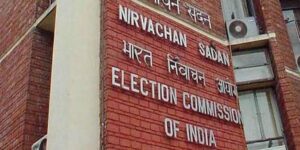
Registration Rules and RUPP Benefits
- Constitutional basis: Forming a party is a right under Article 19(1)(c); parties must undergo political party registration under Section 29A of RP Act, 1951 to participate in the electoral process.
- Eligibility conditions: Registered parties must uphold constitutional values, ensure inner-party democracy, and conduct regular elections to maintain their status.
- Key benefits for RUPPs:
- Income tax exemptions under Section 13A of IT Act, providing significant financial advantages to registered parties.
- Common election symbol allocation, enhancing party recognition and visibility during elections.
- Permission to appoint 20 star campaigners, boosting campaign visibility and reach. These star campaigners play a crucial role in attracting voters and promoting the party’s agenda.
- Various campaign funding benefits to support electoral activities.
- Disclosure rules: Parties must report donations above ₹20,000 and accept over ₹2,000 only via bank or cheque to meet donation transparency requirements.
Lack of Power and Legal Gaps in De-listing Process
- No explicit power: As per Supreme Court (2002), ECI, despite being a constitutional authority, cannot de-register parties unless they committed fraud, became unconstitutional, or are declared unlawful, except in exceptional circumstances. This limitation highlights the legislative changes needed to empower the ECI in addressing inactive parties effectively.
- Growing backlog: Of 2,800 RUPPs, only 750 contested in the lead-up to the 2024 general elections; many haven’t submitted mandatory updates on leadership since 2014, highlighting an inner-party democracy deficit.
- Suggested reforms:
- Law Commission recommendations (255th Report): De-register if a party fails to contest elections for 10 years.
- ECI’s 2016 proposal: Amend RP Act to allow de-registration and enforce inner-party democracy.
- Chief Electoral Officers in states have expressed concerns about the proliferation of inactive RUPPs and ‘letter pad parties’.
Recognition of Political Parties
|
Criteria |
Details |
|
Recognised parties |
Granted based on performance in elections as per ECI criteria. |
|
RUPPs vs Recognised |
RUPPs have basic benefits but lack reserved symbols and free airtime. |
|
National party status |
Based on vote share, seat count in 4+ states, or 6%+ votes & 4 LS seats. |
|
De-recognition |
ECI can de-recognise a party but cannot de-register under current law. |
|
Need for reform |
Experts call for legal clarity, to tackle non-serious parties and strengthen electoral integrity. |
The recent move by the ECI, acting in its capacity as a constitutional authority, highlights the urgent need for legislative changes needed to address the issue of inactive and potentially fraudulent political parties. The proliferation of ‘letter pad parties’ not only undermines the electoral process but also poses a threat to the integrity of India’s democratic system. These parties often exploit the benefits of registration, such as income tax exemptions, the allocation of a common election symbol, and the ability to appoint star campaigners, without actively participating in the electoral process. The implementation of necessary legislative changes needed would empower the ECI to effectively manage the growing number of inactive RUPPs and maintain the overall health of the electoral system.

