India's No.1 PU & Degree With Integrated IAS & IPS(UPSC/PSC) Training College.


West Asia War Raises Inflation Risks Globally
West Asia War Raises Inflation Risks Globally
Why in the News ?
The ongoing West Asia conflict, particularly the US-Iran tensions, has triggered a surge in crude oil prices, raising concerns about inflation in India. Alongside a possible El Niño, these factors may disrupt economic stability and policy decisions.
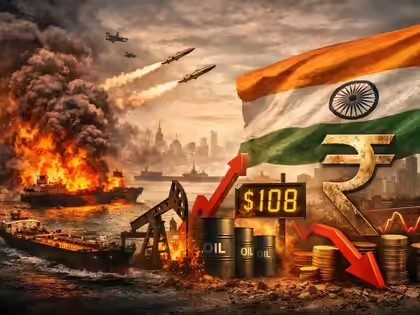
Key Drivers of Rising Inflation
- The West Asia conflict has led to a sharp rise in Brent crude oil prices, touching nearly $110 per barrel.
- Higher energy prices directly increase transport, production, and food costs, pushing inflation upward.
- The closure threat of the Strait of Hormuz—a key oil transit route—has intensified supply concerns.
- A prolonged conflict could further escalate oil prices, worsening imported inflation for India.
- India, being heavily dependent on crude oil imports, remains vulnerable to such global shocks.
Role of El Niño and Economic Implications
- El Niño is a climatic phenomenon causing higher temperatures and deficient monsoon rainfall.
- A moderate El Niño may keep inflation within the RBI’s comfort zone (2–6%), even with oil near $100/barrel.
- However, an extreme El Niño could reduce agricultural output, leading to food inflation spikes.
- Combined effect of oil shock + weak monsoon can significantly strain the economy.
- Rising inflation may force the Reserve Bank of India (RBI) to increase interest rates, impacting loans and investments.
About Inflation and Monetary Policy:● Inflation refers to a sustained increase in the general price level over time. ● RBI targets 4% inflation with a tolerance band of 2%–6% under the Flexible Inflation Targeting (FIT) framework. ● Crude oil prices are a major determinant of cost-push inflation in India. ● El Niño affects agriculture, influencing food inflation, a key component of CPI. ● High inflation reduces purchasing power, increases cost of living, and may lead to monetary tightening (rate hikes). |