 India's No.1 PU & Degree With Integrated IAS & IPS(UPSC/PSC) Training College.


West Asia Conflict Reshapes Global Strategic Balance Dynamics
West Asia Conflict Reshapes Global Strategic Balance Dynamics
Syllabus:
GS-2: Groupings & Agreements Involving India and/or Affecting India’s Interests ,Effect of Policies & Politics of Countries on India’s Interests ,International Treaties & Agreements
Why in the News ?
The ongoing US–Israel confrontation with Iran has significantly altered the strategic calculus in West Asia, expanding beyond a regional conflict into a global geopolitical issue. Iran’s horizontal escalation, involvement of non-state actors, and threats to global energy routes have raised concerns over economic disruption, nuclear risks, and regional stability.
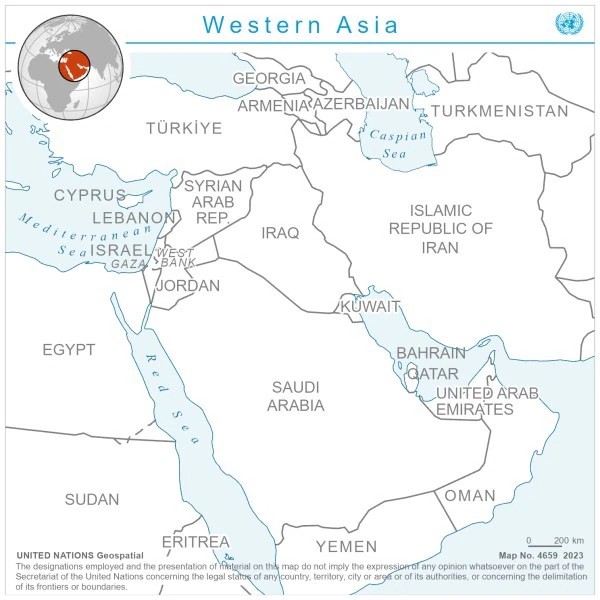
Evolving Nature of the West Asia Conflict :
- The conflict has shifted from a localized military confrontation to a multi-dimensional geopolitical crisis involving state and non-state actors.
- The US–Israel alliance aims to weaken Iran’s regional military influence, while Iran seeks to reshape deterrence equations.
- The entry of groups like Houthis in Yemen has expanded the conflict’s geographical scope.
- Strategic theatres now include the Red Sea and Strait of Hormuz, critical for global trade and energy, with concerns extending to coastal regulation zone security in the region.
- The conflict increasingly reflects a new regional order struggle, rather than a limited security operation.
About West Asia conflict :Key Facts● Strait of Hormuz: Handles ~20% of global oil trade. ● Red Sea Route: Critical for Europe-Asia maritime trade. ● Houthis: Iran-backed group operating in Yemen. ● NPT (1968): Aims to prevent spread of nuclear weapons. ● Iran Nuclear Deal (JCPOA, 2015): Limited Iran’s nuclear program (currently weakened). Important Concepts● Deterrence by Punishment: Retaliation strategy to impose high costs. ● Escalation Dominance: Ability to control intensity of conflict. ● Proxy Warfare: Use of non-state actors in conflicts. ● Horizontal Escalation: Expanding conflict across regions/domains. Relevant Institutions● IAEA: Monitors nuclear compliance. ● United Nations Security Council (UNSC): Maintains global peace and security. |
Iran’s Strategy of Horizontal Escalation
- Iran has adopted a strategy of horizontal escalation, widening the battlefield beyond direct confrontation.
- It leverages proxy actors such as Houthis to target maritime routes and Israeli interests.
- Tehran has created bilateral arrangements with Asian countries dependent on Gulf energy, complicating US coalition-building.
- The focus is on raising global economic costs, rather than purely military retaliation.
- This strategy enhances Iran’s deterrence-by-punishment doctrine, signalling retaliation across domains, similar to how the precautionary principle guides international strategic behavior.
US–Israel Strategic Objectives and Limitations
- The US–Israel campaign aims to degrade Iran’s military infrastructure and limit its regional power projection.
- Despite tactical gains, Iran’s missile capabilities and underground infrastructure remain intact.
- The US faces escalation dominance challenges, unable to fully deter Iran’s retaliatory strategies.
- Israel’s broader vision includes regional military primacy and countering Iran-backed networks.
- Statements from leadership suggest ideological goals like “Greater Israel”, indicating deeper strategic ambitions.
Role of Maritime Chokepoints and Energy Security
- The Strait of Hormuz handles a significant share of global oil shipments, making it strategically vital.
- Disruption risks in the Red Sea shipping lanes threaten international trade flows.
- Iran’s ability to target these chokepoints gives it leverage over global markets.
- Gulf countries, especially Saudi Arabia, face dilemmas in balancing security and economic interests.
- Any escalation could lead to energy price shocks and broader economic instability, affecting the region’s pursuit of a pollution free environment and sustainable development goals.
Regional Power Dynamics and Alliances
- The US has pushed for Arab-Israel normalization, particularly involving Saudi Arabia, to counter Iran.
- Iran counters this by strengthening regional partnerships and strategic autonomy.
- The conflict complicates efforts toward a new regional security architecture.
- Non-state actors are increasingly central in shaping asymmetric warfare outcomes.
- The region is witnessing a fragmented and polarized alliance system.
Nuclear Implications and Strategic Shifts
- The conflict may push Iran to reconsider its adherence to the Nuclear Non-Proliferation Treaty (NPT).
- Iran may increasingly view nuclear weapons as a deterrent for regime survival.
- The weakening of Iran’s conventional military may accelerate nuclear ambitions.
- This risks triggering a regional nuclear arms race in West Asia.
- The global non-proliferation regime faces serious credibility challenges.
Global Consequences and Escalation Risks
- The conflict has transformed into a global issue affecting trade, energy, and security.
- Increased military operations risk a prolonged and open-ended war.
- Global economic systems may bear the costs of supply disruptions and instability.
- The absence of effective diplomatic mechanisms increases miscalculation risks.
- The conflict underscores limits of military superiority without political resolution.
Challenges :
- Escalation Risk: Continuous horizontal escalation increases chances of a full-scale regional war involving multiple actors.
- Energy Security Threats: Disruptions in the Strait of Hormuz and Red Sea can destabilize global oil markets.
- Weak Deterrence: The US lacks escalation dominance, while Iran continues to demonstrate resilience and retaliation capacity.
- Proxy Warfare: Growing role of non-state actors complicates conflict resolution and accountability.
- Nuclear Proliferation: Iran’s potential shift toward nuclear weaponisation threatens global non-proliferation norms.
- Fragmented Alliances: Lack of cohesive international response due to diverging geopolitical interests.
- Economic Fallout: Rising energy prices and disrupted trade routes may trigger global inflation and slowdown.
- Humanitarian Crisis: Prolonged conflict risks civilian suffering and displacement in multiple regions.
- Diplomatic Breakdown: Absence of credible negotiation channels reduces chances of peaceful resolution.
- Ideological Dimensions: Strategic goals like regional dominance or “Greater Israel” intensify conflict narratives.
Way Forward :
- Diplomatic Engagement: Revive multilateral dialogue platforms involving regional and global stakeholders.
- De-escalation Mechanisms: Establish confidence-building measures to prevent unintended escalation.
- Maritime Security Cooperation: Ensure freedom of navigation through coordinated international efforts.
- Nuclear Restraint Framework: Reinforce the NPT regime and encourage Iran’s compliance through incentives.
- Regional Security Architecture: Promote inclusive frameworks involving Iran, Arab states, and Israel.
- Control of Proxy Actors: Engage regional players to limit the role of non-state militant groups.
- Energy Diversification: Countries should reduce dependence on vulnerable routes like Hormuz.
- Balanced Strategy: Combine deterrence with diplomacy to manage long-term stability.
- International Mediation: Role of institutions like the UN should be strengthened.
- Economic Safeguards: Develop contingency plans to cushion global economic shocks.
Conclusion :
The West Asia conflict reflects a complex interplay of military power, strategic deterrence, and geopolitical ambition. Iran’s resilience and escalation tactics challenge US-Israel dominance, while global risks intensify. Sustainable peace requires diplomatic engagement, regional cooperation, and nuclear restraint, as military solutions alone cannot ensure long-term stability.
Source:HT
Mains Practice Question :
“Discuss how the ongoing US–Israel–Iran conflict is reshaping the strategic and security architecture of West Asia. Examine its implications for global energy security, nuclear proliferation, and regional stability. Suggest measures to prevent escalation and promote long-term peace in the region.”

