 India's No.1 PU & Degree With Integrated IAS & IPS(UPSC/PSC) Training College.


Rural Housing Scheme: RCC Roof Rule Eased
Rural Housing Scheme Eases Mandatory RCC Roof Condition
Why in the News ?
The federal government through the Union Ministry of Rural Development has amended PMAY-G guidelines to allow non-RCC roofs such as tiles and tin sheds for rural houses, enabling beneficiaries to receive full financial assistance and wage benefits without mandatory concrete roofing. This amendment reflects cooperative federalism and strengthens intergovernmental relations in addressing regional housing needs while maintaining national standards within the federal system. The policy change demonstrates fiscal federalism principles through flexible federal-provincial relations and enhanced provincial autonomy in housing implementation.
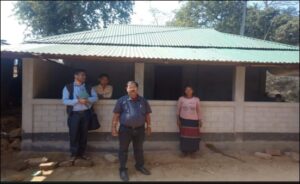
PMAY-G Amendment and Key Changes
- The Union Ministry of Rural Development, exercising federal spending power and legislative powers under constitutional law and the federal structure, has relaxed the mandatory RCC roof condition under the Pradhan Mantri Awas Yojana-Gramin (PMAY-G). This decision reflects the division of powers and federal powers within the constitutional design of India’s federal governance system.
- Beneficiaries can now construct houses using locally suitable materials such as tiles, tin sheds, and traditional pucca roofs, reflecting regional representation in federal policy implementation and respecting provincial autonomy. This approach acknowledges the role of regional governments and provincial governments in determining appropriate construction methods based on constitutional principles and local climatic conditions, demonstrating integrated federalism in practice.
- The amendment ensures that families receive the final installment of housing assistance through federal transfers and equalization payments regardless of roofing material used, demonstrating flexible federal mandates and executive federalism. This policy shift strengthens federal-provincial relations by reducing federal control while maintaining accountability, avoiding potential jurisdictional disputes between different levels of government and promoting the social union framework.
- Earlier, beneficiaries were required to complete a reinforced cement concrete (RCC) roof structure to qualify for the last payment under the previous federal governance norms. The constitutional division of responsibilities between the federal legislature, federal chamber, and state assemblies now allows for greater flexibility, moving away from dual federalism toward a more cooperative model. This change exemplifies how intergovernmental agreements and constitutional powers can be exercised to balance national standards with regional needs while respecting the fundamental constitutional principles of India’s federal system.
About PMAY-G and Rural Employment Schemes:● Pradhan Mantri Awas Yojana-Gramin (PMAY-G) aims to provide pucca houses with basic amenities to rural poor households. ● The scheme focuses on housing for vulnerable groups including Scheduled Tribes, landless labourers, and economically weaker sections. ● MGNREGS (Mahatma Gandhi National Rural Employment Guarantee Scheme) guarantees 100 days of wage employment to rural households. ● Convergence between PMAY-G and employment schemes helps beneficiaries receive both housing support and wage assistance. ● Rural housing policies increasingly promote climate-resilient, affordable, and culturally suitable construction practices suited to local conditions. |

