 India's No.1 PU & Degree With Integrated IAS & IPS(UPSC/PSC) Training College.


UNESCO Lists Himachal’s Cold Desert Reserve
Himachal’s Cold Desert Joins UNESCO Global Biosphere Network
Why in the News ?
The Cold Desert Biosphere Reserve in Himachal Pradesh has been included in the UNESCO World Network of Biosphere Reserves, marking India’s 13th addition. The recognition highlights its importance in sustainable development, biodiversity conservation, and community-based ecological management.
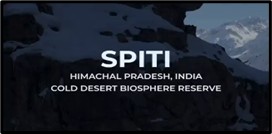
Global Recognition for Conservation Efforts:
- UNESCO Inclusion: The Cold Desert Biosphere Reserve has joined the World Network of Biosphere Reserves, announced at the World Congress of Biosphere Reserves in Hangzhou, China.
- Model for Sustainability: The designation acknowledges its role as a model for sustainable development balancing human livelihood and biodiversity protection.
- Environmental Value: Recognized for its unique cold desert ecosystem, this status enhances India’s global conservation profile.
- Community Involvement: The local population of around 12,000 residents contributes to traditional ecological practices.
- Boost to Ecotourism: The international recognition may encourage eco-tourism and research collaborations.
Ecological and Geographical Features
- Vast Terrain: The reserve covers 7,770 sq km in India’s Western Himalayas, featuring rugged mountains and alpine meadows.
- Rich Biodiversity: Home to endangered species such as the snow leopard, Himalayan ibex, and Tibetan wolf.
- High-Altitude Landscape: The cold desert ecosystem exhibits extreme weather and minimal vegetation but supports rare flora and fauna.
- Protected Areas: Includes Pin Valley National Park, Kibber Wildlife Sanctuary, and several conservation zones.
- Human-Nature Balance: Communities practice sustainable grazing and agriculture, ensuring minimal ecological disturbance.
UNESCO Biosphere Reserves in India:● Concept Origin: The Man and the Biosphere (MAB) Programme was launched by UNESCO in 1971 to promote harmony between people and nature. ● Total Indian Sites: India now has 13 sites in the global network, including the Nilgiri, Sundarbans, and Gulf of Mannar reserves. ● Cold Desert Reserve History: First declared a National Biosphere Reserve in 2009, covering Spiti Valley and Trans-Himalayan regions. ● Key Objective: Conservation of genetic diversity, sustainable use of resources, and research on ecological resilience. |

