 India's No.1 PU & Degree With Integrated IAS & IPS(UPSC/PSC) Training College.


Top 5 Hydroelectric Power Plants in India
Five Biggest Hydroelectric Power Plants in India
Hydroelectric power is a critical component of India’s energy mix, contributing to energy security, irrigation, flood protection, and regional development. For UPSC aspirants, a nuanced understanding of the technical, geographic, economic, social, and environmental aspects of major hydroelectric power plants is essential. This article provides a comprehensive, data-rich overview, focusing on the largest projects, their impacts, and policy context.
1. Overview of India’s Hydroelectric Sector
- Installed Capacity: As of May 2025, India’s total installed power generation capacity is 475,590 MW, with 47,928 MW (about 10%) from large hydroelectric power plants and 178,823 MW (37.6%) from other renewables.
- Hydropower Potential: Estimated at 145,320 MW; about 42,105 MW (29%) is developed, and 15,024 MW (10.3%) is under construction.
- Number of Plants: 197 large hydropower plants (>25 MW), 9 pumped storage stations (4,786 MW capacity).
- Policy Status: Since 2019, large hydro (>25 MW) is officially classified as renewable, unlocking incentives and policy support for hydel power projects.
2. Classification of Hydroelectric Projects
|
Category |
Capacity Range |
Ministry Responsible |
|
Micro |
Up to 100 kW |
Ministry of New and Renewable Energy |
|
Mini |
101 kW – 2 MW |
Ministry of New and Renewable Energy |
|
Small |
2 MW – 25 MW |
Ministry of New and Renewable Energy |
|
Large |
>25 MW |
Ministry of Power |
|
Mega |
>500 MW |
Ministry of Power |
3. Major Hydroelectric Power Plants: Technical and Geographic Details
|
Plant Name |
State(s) |
River |
Capacity (MW) |
Dam Type |
Height (m) |
Length (m) |
Year of Commission |
Key Features & Data |
|
Tehri Complex |
Uttarakhand |
Bhagirathi |
2,400 |
Rock/Earth Embank. |
260.5 |
575 |
2006–2024 |
Tallest dam in India; 3.54 km³ reservoir; 52 km² catchment area; 3-stage (Tehri Dam 1000 MW, Koteshwar 400 MW, Pumped Storage 1000 MW); supplies power, irrigation (2.7 lakh ha), and 1.2 million m³/day drinking water to Delhi, UP, Uttarakhand. Tehri lake formed behind the dam. |
|
Koyna Project |
Maharashtra |
Koyna |
1,960 |
Gravity |
103 |
807 |
1962–1982 |
Largest completed hydroelectric power plant; 4 stages; multi-dam (Koyna, Kolkewadi); construction cost ₹4,953 crore; deep mountain tunnels. Underground powerhouse showcases engineering excellence. |
|
Srisailam Project |
AP/Telangana |
Krishna |
1,670 |
Gravity |
145 |
512 |
1981 |
2nd largest working hydro station; 12 crest gates; 616 km² reservoir; 13 turbines (7×110 MW, 6×150 MW); pumped storage; 178.74 TMC live capacity. Concrete gravity dam with significant spillway capacity. |
|
Nathpa Jhakri |
Himachal Pradesh |
Sutlej |
1,530 |
Concrete Gravity |
60.5 |
185 |
2004 |
Largest underground project; 6×250 MW Francis turbines; 27 km headrace tunnel; advanced de-silting; supplies Northern Grid. Showcases geological stability in challenging terrain. |
|
Sardar Sarovar |
Gujarat |
Narmada |
1,450 |
Concrete Gravity |
163 |
1,210 |
2017 |
2nd largest concrete dam by volume; supplies water to 4 states; 6×200 MW Francis turbines; 5×50 MW canal turbines; 5860 MCM live storage; 1.9 million ha irrigation; 29 million people drinking water supply. Part of the larger Narmada Valley Project. |
4. State-Wise and River Basin Distribution
- Top States: Uttarakhand, Maharashtra, Andhra Pradesh, Himachal Pradesh, Gujarat.
- Key River Basins:
- Brahmaputra: Arunachal Pradesh, Assam – untapped potential.
- Indus: Himachal Pradesh, J&K, Punjab – Bhakra Nangal, Nathpa Jhakri.
- Ganga: Uttarakhand – Tehri.
- Krishna: Maharashtra, Karnataka, Andhra Pradesh – Koyna, Srisailam, Nagarjuna Sagar.
- Narmada: Madhya Pradesh, Gujarat – Sardar Sarovar, Indira Sagar.
5. Technical Features and Innovations
- Tehri Dam: Variable-speed turbines in pumped storage for efficiency at different reservoir levels; advanced embankment dam design.
- Koyna Project: Multi-stage expansion; lake tapping system for water access; deep underground powerhouse.
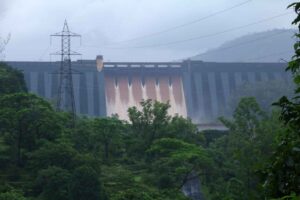
- Nathpa Jhakri: Longest headrace tunnel (27 km); largest de-silting chambers; advanced underground construction.
- Srisailam: Reversible Francis-pump turbines for pumped storage; two separate power houses (right and left bank).
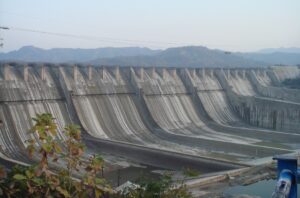
- Sardar Sarovar Project: Pumped storage and canal-head power houses; extensive canal network (75,000 km); advanced flood protection.
6. Socio-Economic Impacts
Positive Impacts
- Irrigation: E.g., Sardar Sarovar dam irrigates 1.9 million hectares, benefitting 1 million farmers, enhancing agricultural productivity.
- Drinking Water: Sarovar dam supplies to 29 million people in 9,633 villages and 131 towns, improving water security.
- Employment & Infrastructure: Dam construction and operation generate jobs, boost local infrastructure, roads, schools, and healthcare.
- Regional Development: Hydroelectric power plants in the Northeast and Himalayan states are central to regional economic growth and grid integration.
Negative Impacts
- Displacement: The Narmada dam project alone displaced over 500,000 people, mostly Adivasis, with many still awaiting proper rehabilitation under the resettlement policy.
- Loss of Livelihood: Submergence of agricultural land, forests, and ancestral property; disruption of traditional ways of life.
- Social Movements: Narmada Bachao Andolan (NBA) led by Medha Patkar brought global attention to displacement, human rights, and ecological issues. The Tehri dam movement similarly highlighted concerns in the Himalayan region.
7. Environmental Impact
- Ecological Disruption: Dams alter river flow, temperature, and chemistry, affecting aquatic life, especially fish migration and downstream biodiversity.
- Sedimentation: Reservoirs trap sediments, reducing downstream fertility and reservoir capacity.
- Erosion & Landslides: Large projects in fragile Himalayan zones have been linked to increased landslides and erosion (e.g., Joshimath crisis).
- Climate & Water Cycle: Increased evaporation, microclimate changes, and altered rainfall patterns near large reservoirs.
- Fisheries Decline: Barriers to fish migration have led to sharp declines in riverine fisheries, affecting food security and livelihoods.
8. Policy, Planning, and Recent Initiatives
- Policy Support: Waiver of interstate transmission charges for hydropower, streamlined clearance for pumped storage, and new hydropower policy in the pipeline to address land, tariff, and financing issues.
- Financial Assistance: Central government provides up to 24% equity support for Northeast projects, with special incentives for local employment and sustainable development.
- Grid Integration: Hydropower is crucial for grid stability, especially with rising solar and wind capacity. Pumped storage plants are prioritized for balancing variable renewables.
- Capacity Growth: Government targets 78 GW hydro capacity by 2030; as of 2025, hydro forms 11% of installed capacity, with 18 GW under implementation.
9. Challenges and Concerns
- Delayed Projects: Land acquisition, environmental clearances, and local opposition often delay projects by years or decades.
- Displacement & Rehabilitation: Inadequate compensation and resettlement remain persistent issues, fueling social unrest and legal challenges.
- Environmental Risks: Large projects in seismically active and ecologically sensitive zones increase disaster vulnerability.
- Underutilized Potential: Only 32% of assessed potential harnessed; Northeast and Himalayan states remain underdeveloped due to logistical and social barriers.
- River Water Disputes: Conflicts between riparian states over water allocation and project benefits, often requiring intervention by water dispute tribunals.
10. Key Data and Facts for UPSC
|
Superlative/Fact |
Data/Detail |
|
Tallest Dam |
Tehri Dam (260.5 m, Uttarakhand) |
|
Longest Dam |
Hirakud Dam (4,800 m, Odisha) |
|
Largest Hydropower Plant (Capacity) |
Tehri Hydropower Complex (2,400 MW, Uttarakhand) |
|
Largest Completed Plant |
Koyna Hydroelectric Project (1,960 MW, Maharashtra) |
|
Largest Underground Project |
Nathpa Jhakri (1,530 MW, Himachal Pradesh) |
|
Largest Concrete Dam (Volume) |
Sardar Sarovar (Narmada, Gujarat) |
|
Oldest Hydroelectric Plant |
Sidrapong (Darjeeling, 1897) |
|
Total Installed Hydro Capacity (2025) |
47,928 MW (large hydro) + 178,823 MW (other renewables) |
|
Share of Hydro in Power Mix (2025) |
~10% (large hydro), ~49% (total non-fossil incl. renewables) |
|
Major Social Movement |
Narmada Bachao Andolan (NBA), led by Medha Patkar |
|
Major Environmental Issue |
Displacement, loss of biodiversity, sedimentation, landslides |
11. Conclusion: Strategic Role and Future Outlook
Hydroelectric power plants remain vital for India’s energy security, rural development, and climate goals. However, balancing economic benefits with social justice and environmental sustainability is a persistent challenge. The sector’s future hinges on robust policy support, technological innovation (especially pumped storage), and inclusive, participatory project planning. River basin management and inter-state cooperation will be crucial for optimizing water resources and resolving disputes.
For UPSC aspirants: Focus on interlinkages—energy, environment, society, and policy. Use maps, data tables, and case studies (e.g., Tehri, Sardar Sarovar, NBA) to enrich answers for both Prelims and Mains. Understanding the technical aspects like penstock design, energy dissipation in stilling basins, and the role of chute spillways in flood control can provide depth to your answers. Additionally, be prepared to discuss the broader implications of these multipurpose projects on agricultural productivity, water security, and regional development.
Key areas to focus on include:
- The role of hydroelectric power plants in electricity generation and water storage
- Environmental impact assessment and mitigation strategies
- Irrigation facilities provided by major dams and their impact on drought-prone areas
- The importance of quality control in dam construction and concrete lining
- Power system operation and the function of load dispatch centers
- Annual generation capacity and power allocation among states
- The significance of maintaining maximum water level and full reservoir level for optimal reservoir operation
- The extensive canal network and branch canals for water distribution
- The function of service spillways and stilling basins in dam safety
Understanding these aspects will provide a comprehensive view of India’s hydroelectric sector, its challenges, and its crucial role in the country’s development. The integration of hydroelectric power plants into the broader river valley projects and their impact on drought-prone areas showcase the multifaceted nature of these initiatives. The complex distribution system, including the main canal and its branches, highlights the far-reaching effects of these projects on agriculture and water security. Technical elements such as the underground powerhouse, chute spillway, and stilling basin demonstrate the engineering prowess required in these multipurpose projects. The role of load dispatch centers in generation dispatch and overall grid management underscores the importance of these plants in maintaining power system stability. Lastly, the involvement of water dispute tribunals in resolving inter-state conflicts emphasizes the need for cooperative federalism in managing these vital resources.




