Indian Constitution Archives - Page 12 of 14 - Universal Group Of Institutions
India's No.1 PU & Degree With Integrated IAS & IPS(UPSC/PSC) Training College.

*** Admissions are open for 2026-27. Courses offered - PUC (Science, Commerce & Arts), BSc (Environmental Science), BA, B.Com, BBA ***

Tag

img
31May 2024

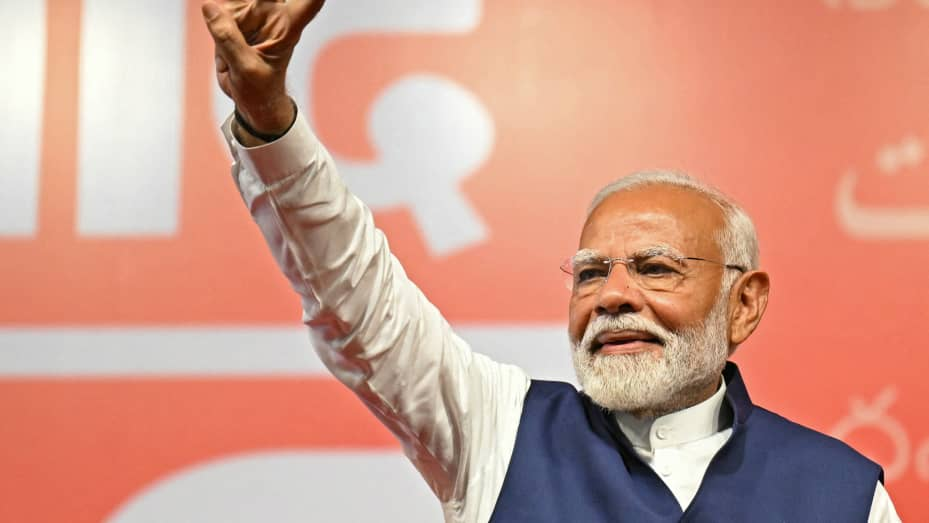
PRIME MINISTER OF INDIA

Introduction The Prime Minister of India is indeed the head of government and the real executive of the Indian political system. This means that the Prime Minister is the leader of the government and holds significant executive authority. Article 74: Article 74 of the Indian Constitution establishes the Council of Ministers with the Prime Minister …

Read More
31May 2024

STATE LEGISLATURE

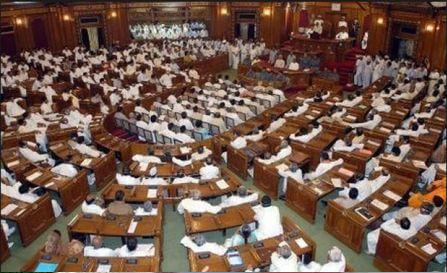
Introduction The State Legislature’s primary goal is to create and pass state-specific bills. Members of the State Legislative Assembly have powers similar to Members of Parliament, but these powers are state-focused. The Constitution of India covers the State Legislative Assembly in Articles 168 to 212. India’s legislative system is bicameral, with some states having a …

Read More
30May 2024

PARLIAMENT

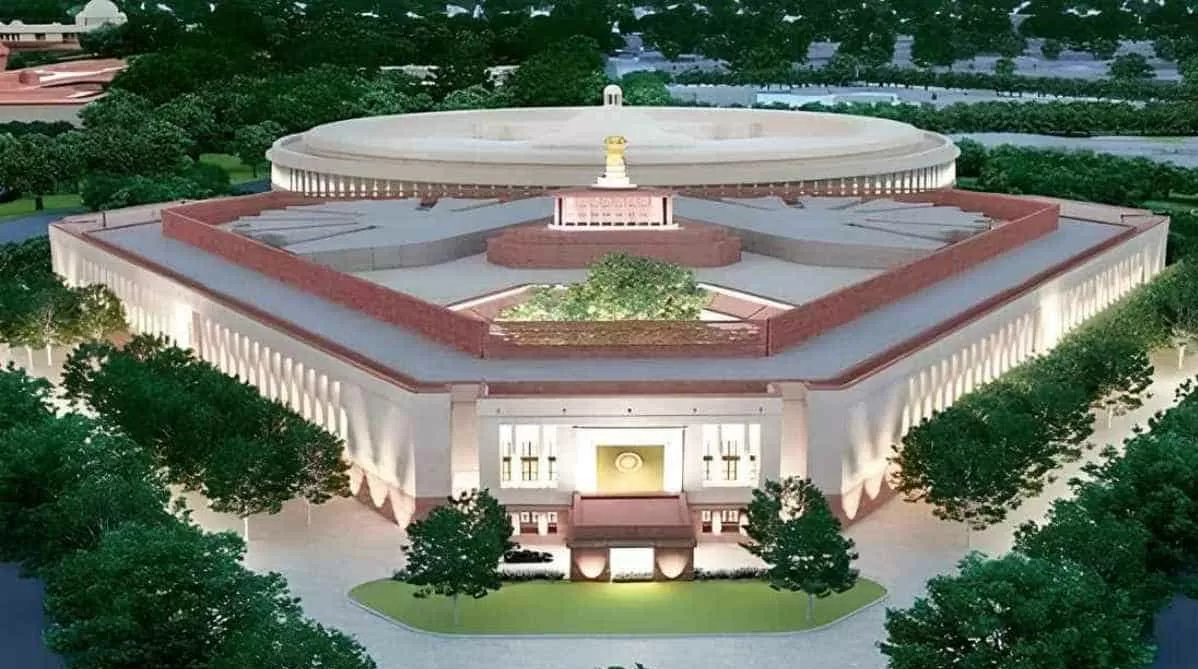
INTRODUCTION The Parliament, an essential pillar of the Indian democratic framework, stands as the primary legislative body of the Union government. Its centrality in the nation’s political system is the result of India’s adoption of the parliamentary form of government, often referred to as the ‘Westminster’ model. This system, enshrined in Articles 79 to 122 …

Read More
30May 2024

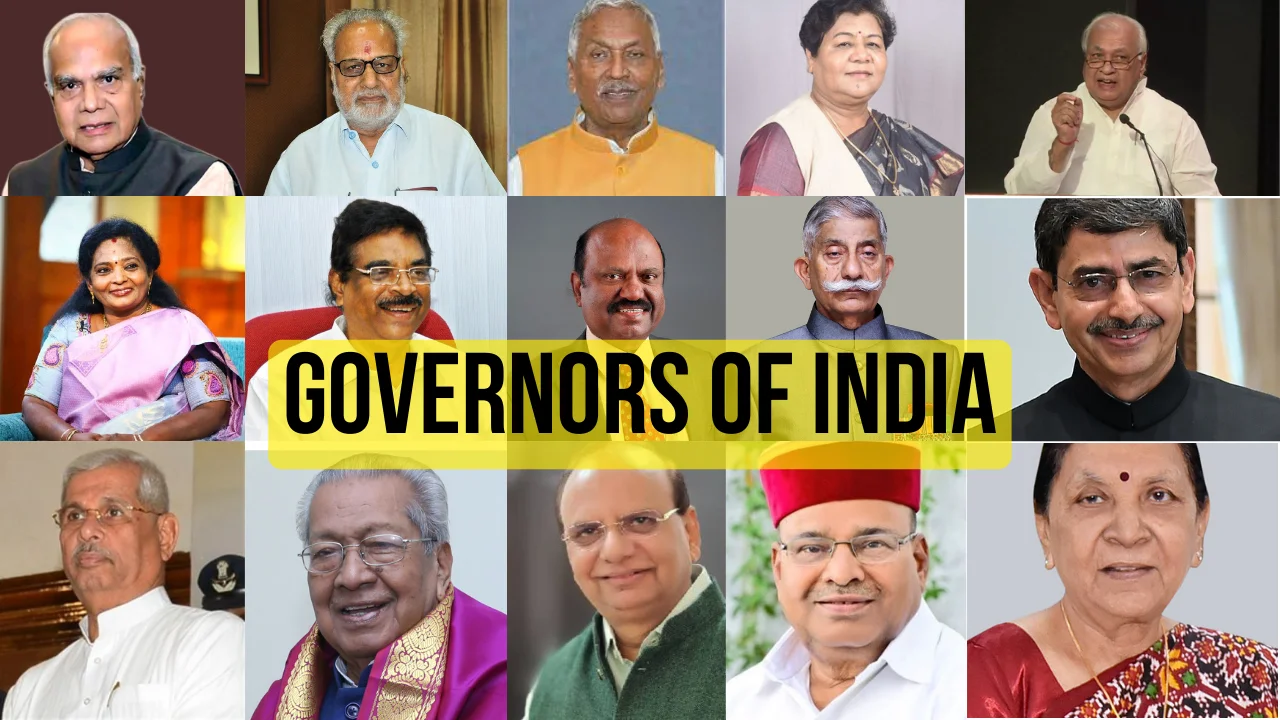
GOVERNOR

The Indian Constitution follows a parliamentary system of government in the states, similar to the central government. Part VI of the Constitution is dedicated to state government, with Articles 153 to 167 addressing the state executive. This state executive comprises the governor, the chief minister, the council of ministers, and the advocate general of the …

Read More
30May 2024

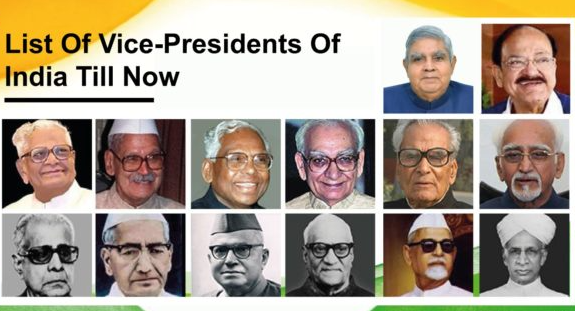
VICE PRESIDENT

Introduction The Vice-President of India is the second-highest constitutional position in the country, holding an official rank just below the President. Inspired by the structure of the American Vice-Presidency, the Vice-President’s role is largely ceremonial and supportive, but pivotal in maintaining the functioning of the parliamentary system and ensuring a smooth legislative process in India. …

Read More
30May 2024

INTER STATE RELATIONS

Meaning Inter-state relations in India pertain to the interactions and relationships between the various federal units, including states and union territories. These relationships are governed by the Indian Constitution, with administrative relations covered in Part XI and trade and commerce in Part XIII. The inter-state relationship in India is typically cooperative, with states collaborating to …

Read More
30May 2024

CENTRE-STATE RELATIONS

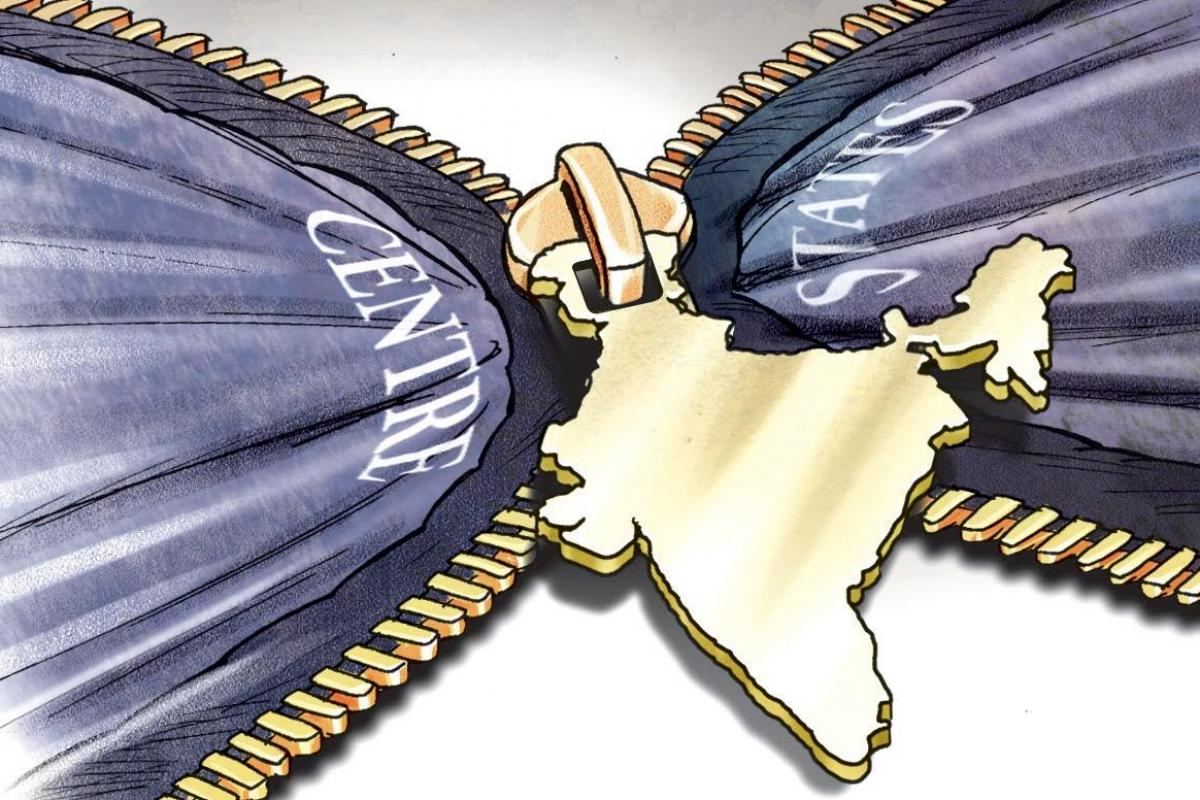
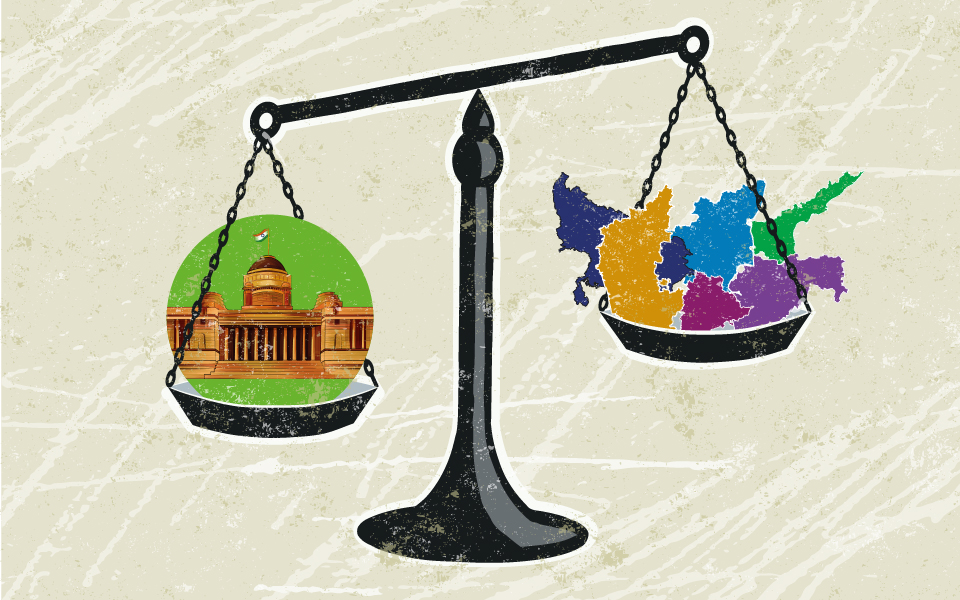
Introduction The Centre-State relationship in India pertains to the distribution of powers and responsibilities between the federal government (the Centre) and individual states. This delicate balance is a fundamental aspect of India’s federal system, as enshrined in the Constitution, and is crucial for effective governance and cooperation between the two tiers of government. The Constitution …

Read More
30May 2024

FEDERAL SYSTEM

Introduction Political scientists classify governments into unitary and federal models based on the relationship between the national government and regional governments. Unitary governments have all powers vested in the national government, while federal governments divide powers between the national government and regional governments by the Constitution. Countries like Britain, France, Japan, China, Italy, Belgium, Norway, …

Read More
30May 2024

PARLIAMENTARY SYSTEM

Introduction The Indian Constitution establishes a parliamentary form of government, both at the Centre and in the states. Articles 74 and 75 address the parliamentary system at the Centre and Articles 163 and 164 in the states. Modern democratic governments are classified into parliamentary and presidential systems based on the relationship between the executive and …

Read More
30May 2024

BASIC STRUCTURE OF THE CONSTITUTION

Introduction The “Basic Structure Doctrine” is a pivotal and transformative concept in the constitutional jurisprudence of India. It refers to a doctrine established by the Supreme Court of India, which holds that there are certain core principles and features of the Indian Constitution that are beyond the reach of the amending power of the Indian …

Read More

Two Mega Events, One Extraordinary Platform at Universal Green School


Free Coaching UCC