India's No.1 PU & Degree With Integrated IAS & IPS(UPSC/PSC) Training College.


Rethinking India’s National Assets and Industrial Strategy
Rethinking India’s National Assets and Industrial Strategy
Syllabus:
GS -3: Industrial Policy, Infrastructure, Growth & Development
Why in the News?
India’s persistent dependence on imports, especially from China, has raised concerns about its industrial policy, capital goods production, and strategic vulnerabilities. The widening gap between India’s and China’s manufacturing capabilities highlights the urgent need for a broader national asset framework that includes industrial, human, and environmental capital to ensure sustainable growth. This framework should also consider the strategic importance of regions like the Andaman and Nicobar Islands.
Strategic Vulnerability and Economic Imbalance:
- Growing Dependence: India has become strategically vulnerable, caught between the U.S. and China, with its manufacturing sector heavily dependent on Chinese machinery and hardware. This vulnerability extends to strategic locations like the Nicobar Island and Great Nicobar Island.
- Industrial Gap: Since 1991 economic liberalization, China’s capital goods production has grown 50 times larger than India’s, while its GDP is five times higher. This gap is evident in the development disparities between mainland India and the Andaman and Nicobar Islands.
- Policy Contrast: Unlike India, China persisted with industrial policies and state support to build depth in manufacturing despite Western pressure to liberalize. India’s approach to developing regions like Great Nicobar has often lacked such consistent policy support.
- Service Sector Bias: India’s focus on services over manufacturing created a weak industrial base, leaving it reliant on imports for essential technology. This bias has affected the development of infrastructure in areas like the Nicobar Islands.
- Strategic Lesson: The U.S. now fears China’s dominance in electronic hardware and capital goods, a warning India must heed to secure its economic sovereignty, including in strategic locations like Great Nicobar.
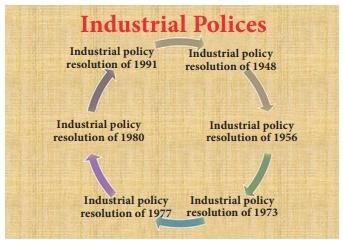
Key Facts and Concepts: India’s industrial policies
- Liberalization (1991): India adopted market reforms, reducing industrial protection.
- WTO Membership: India joined in 1993, China in 2001.
- Information Technology Agreement (1996): Eliminated duties on IT products, boosting services but harming hardware production.
- Ultra-Mega Power Projects (2012): Aimed to expand power capacity using imported machinery, potentially impacting regions like the Nicobar Islands.
- Capital Goods Definition: Long-term assets used in production, distinct from consumables.
- GST Framework: Recognizes capital goods but provides limited input tax credit, affecting manufacturers.
- Global Capability Centres (GCCs): Foreign-owned units in India developing software and IP for parent firms.
- Exim Bank (India): Offers export credit but less competitive than Chinese counterparts.
- Industrial Policy 1956: Earlier focus on public sector-led industrialization, abandoned post-1991.
- SAGAR Vision (2015): “Security and Growth for All in the Region”—relevant for India’s strategic autonomy in global trade and development of areas like the Andaman and Nicobar Islands.
Historical Policy Shifts and Their Consequences:
- Pre-1991 Balance: Until the 1950s, India’s capital goods industry was at par with China’s, but post-liberalization, India shifted focus toward import-driven growth.
- Abandoning Industrial Depth: Policies after 1991 favored traders over manufacturers, undermining India’s domestic production ecosystem.
- WTO Commitments: India’s early participation in the WTO (1993) and the Information Technology Agreement (1996) led to zero import duties on key IT products, damaging local manufacturing.
- China’s Approach: China delayed joining the WTO (2001) and ITA, using the interim to strengthen domestic industries before opening markets.
- Resultant Dependence: India’s IT sector thrived, but its hardware industry weakened, fostering an import-dependent structure. This dependence has implications for developing strategic areas like Great Nicobar Island.
Capital Goods and Taxation Challenges:
- Accounting Complexity: Capital goods are not consumption goods; their costs appear as depreciation, complicating input tax credits under GST.
- GST Disparity: The service sector argues that current GST reforms do not offer adequate tax relief for capital investments.
- Production Disincentive: This bias discourages investment in manufacturing, impeding India’s production economy.
- Fiscal Blind Spot: Policymakers have failed to distinguish between assets and resources in national accounting, distorting perceptions of true economic strength.
- Need for Clarity: A sustainable economy requires a clear asset balance sheet, distinguishing productive capital, natural resources, and human assets. This is particularly relevant for regions like the Nicobar Islands, where environmental and community considerations are crucial.
Industrial Projects and Missed Opportunities:
- Ultra-Mega Power Projects (UMPP): Launched in 2012 to boost low-cost electricity, the policy gave land, coal access, and duty-free imports to private promoters. Similar approaches could be considered for the Great Nicobar project.
- Domestic Capability: Indian firms like L&T-Mitsubishi, Bharat Forge-Toshiba, and BHEL-Siemens produced technically superior equipment, but lacked state-backed financing.
- Chinese Advantage: Chinese companies offered cheaper machinery and attractive financing, undercutting Indian manufacturers.
- Protectionism Debate: Domestic producers sought import duties on Chinese goods to level competition, but the pro-free trade lobby prevailed.
- Lost Opportunity: A small 3-4% efficiency gain in India’s power plants could have offset higher costs while boosting local industry and employment. Similar considerations should be made for projects in the Andaman and Nicobar Islands.
Global Capability Centres (GCCs) and Intellectual Property Loss:
- Rise of GCCs: India hosts Global Capability Centres for foreign firms, benefiting from U.S. H-1B visa restrictions and lower costs.
- Employment vs. Ownership: While GCCs create jobs, intellectual property (IP) generated remains with foreign companies, limiting India’s innovation gains.
- Strategic Shortfall: India becomes a service provider rather than an intellectual owner, reinforcing technological dependency.
- Need for IP Retention: Policies should encourage Indian ownership of IP created domestically.
- Balanced Model: Promote joint ventures and R&D incentives that localize innovation and production, including in strategic areas like Great Nicobar.
Challenges:
- Industrial Decline: India’s industrial base remains weak due to decades of policy neglect and preference for consumption over production.
- Import Dependence: Heavy reliance on Chinese imports for capital goods undermines economic security.
- Tax Policy Flaws: The GST framework inadequately distinguishes between capital and consumption goods, discouraging manufacturing investment.
- Financing Constraints: Indian manufacturers lack low-cost financing compared to subsidized Chinese loans, reducing their global competitiveness.
- Intellectual Property Drain: GCC-driven innovation benefits foreign firms, depriving India of long-term technological dividends.
- Environmental Oversight: National accounts treat natural resources as consumables rather than renewable assets, leading to unsustainable development. This is particularly concerning for ecologically sensitive areas like the Nicobar Islands.
- Trade Policy Gaps: Early participation in WTO and ITA agreements hurt domestic industries before they could mature.
- Administrative Apathy: Bureaucratic inertia and pro-free trade lobbies resist protectionist reforms essential for industrial revival.
- Technological Lag: Absence of R&D culture limits India’s competitiveness in AI, robotics, and electronics.
- Strategic Imbalance: Dependence on imports weakens India’s ability to pursue independent geopolitical and economic strategies, including in strategic locations like the Andaman and Nicobar Islands.
Way Forward:
- Industrial Policy Revival: Reintroduce targeted industrial policies focusing on capital goods, electronics, and green technology. This should include specific strategies for developing the Great Nicobar project.
- Fiscal Reforms: Differentiate capital investments from consumption under GST to incentivize manufacturing expansion.
- Domestic Financing Mechanisms: Create state-backed credit systems similar to China’s Exim Bank for industrial growth.
- Intellectual Property Localization: Mandate shared IP ownership for research conducted within India by foreign firms.
- Trade Realignment: Reassess WTO and ITA commitments to safeguard emerging domestic industries.
- Environmental Accounting: Incorporate natural assets (forests, rivers, soil) into national balance sheets for sustainability assessment, especially in ecologically sensitive areas like the Nicobar Islands.
- Skill and Innovation Ecosystem: Invest in technical education, R&D infrastructure, and public-private partnerships.
- Infrastructure Upgrade: Strengthen logistics, energy, and digital networks to lower industrial costs, with a focus on developing infrastructure in the Andaman and Nicobar Islands.
- Balanced Protectionism: Impose selective tariffs to protect strategic sectors without isolating India from global trade.
- Vision 2047 Strategy: Position India as a producer economy, integrating manufacturing strength with sustainable resource management. This vision should include sustainable development plans for regions like Great Nicobar.
Conclusion:
India’s long-term economic resilience depends on redefining its concept of national assets—not merely as income flows but as enduring industrial, human, and natural capital. A shift from consumption-led to production-based growth, combined with asset-conscious policymaking, will ensure India’s sustainable rise as an independent industrial power. This approach should extend to the development of strategic regions like the Andaman and Nicobar Islands, balancing economic growth with environmental conservation and community rights.
In the context of the Great Nicobar project and similar initiatives, it is crucial to conduct thorough environmental impact assessments and ensure community forest rights are respected. The Tribal Affairs Ministry should play a key role in safeguarding the interests of Nicobarese people and other traditional forest dwellers. Any development plans should obtain proper forest diversion certificates and gram sabha consent, especially in tribal reserve areas. By integrating these considerations into its broader industrial and economic strategy, India can achieve sustainable development that respects both its strategic interests and the unique ecological and cultural heritage of regions like the Nicobar Islands.
Source: Mint
Mains Practice Question:
Discuss the need for India to broaden its definition of national assets beyond income and consumption, focusing on the importance of industrial policy, capital goods, and intellectual property in ensuring sustainable economic and strategic autonomy. How can this approach be applied to the development of strategic regions like the Andaman and Nicobar Islands?