 India's No.1 PU & Degree With Integrated IAS & IPS(UPSC/PSC) Training College.


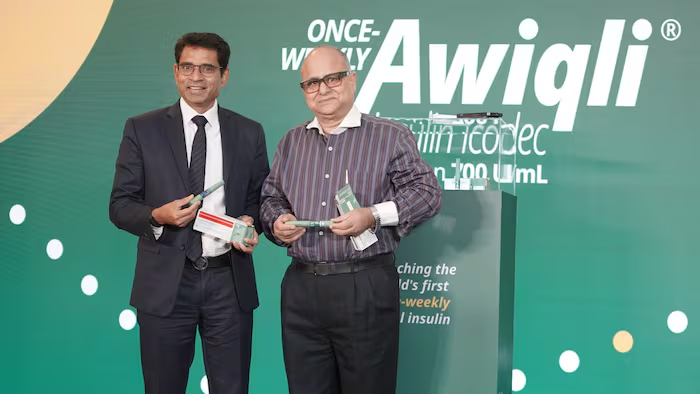
Novo Nordisk Launches Once-Weekly Insulin ‘Awiqli’ in India
Novo Nordisk Launches Once-Weekly Insulin ‘Awiqli’ in India
Why in the News?
Danish pharmaceutical company Novo Nordisk has launched Awiqli, a once-weekly basal insulin, in India, marking a significant milestone in strategic partnerships between Denmark and India in the healthcare sector. Its generic name is insulin icodec. The medicine is designed to reduce the frequency of basal-insulin injections from once daily to once a week. This launch reflects growing economic interdependence and diplomatic engagement between nations in addressing global health challenges, particularly in the Indo-Pacific strategy for healthcare access and pharmaceutical innovation.
What is Awiqli?
Awiqli is an ultra-long-acting basal insulin used to maintain a steady background level of insulin in the body. Basal insulin controls blood-glucose levels between meals and during sleep.
Unlike conventional basal insulin, which is generally taken every day, Awiqli is administered through a subcutaneous injection once a week, preferably on the same day each week. It can reduce the number of basal-insulin injections from nearly 365 to 52 per year.
How Does It Work?
Insulin icodec binds reversibly with albumin, a protein found in the blood. This creates a circulating insulin reserve. The insulin is gradually released over seven days, helping maintain stable blood-glucose levels throughout the week.
Who Can Use It?
Awiqli is intended for adults with diabetes, subject to a doctor’s prescription.
For patients with Type 2 diabetes, it may be used alone or along with other diabetes medicines. Patients with Type 1 diabetes may still require rapid-acting insulin during meals because Awiqli does not replace mealtime insulin.
Significance
The launch of Awiqli represents an important advancement in diabetes treatment and demonstrates the value of multilateral engagement in pharmaceutical development. Its major benefits include:
- Fewer insulin injections
- Reduced treatment burden
- Better adherence to prescribed therapy
- Lower injection-related anxiety
- Greater convenience for long-term diabetes management
The medicine may be particularly relevant for India, which faces a significant and growing burden of diabetes. This development aligns with the broader Indo-Pacific strategy for regional health security and represents strategic alignment between India and European pharmaceutical innovators. In the context of regional economic integration, such pharmaceutical collaborations strengthen healthcare infrastructure across the Indo-Pacific region.
Regional Context and Strategic Importance
India’s pharmaceutical sector plays a crucial role in regional security cooperation and healthcare access across Asia. While US and China compete in various sectors, India’s position in the Indo-Pacific strategy includes serving as a pharmaceutical hub. The Quad partnership and ASEAN centrality principles emphasize healthcare cooperation as part of a rules-based international order. This launch occurs amid strategic competition in the pharmaceutical sector, where regional engagement strategy and cooperative security framework approaches prioritize medicine accessibility. Defense cooperation agreements increasingly recognize health security as integral to regional security architecture, making such pharmaceutical innovations part of broader regional security cooperation efforts.
Safety Concerns
The major possible side effect is hypoglycaemia, or an excessive fall in blood-glucose levels. Symptoms may include sweating, weakness, dizziness, confusion and, in severe cases, unconsciousness.
Because Awiqli is meant for weekly administration, accidental daily use may cause severe hypoglycaemia. Patients should not alter the dosage or switch from another insulin without medical supervision.
Key Facts for Competitive Examinations
| Particular | Information |
|---|---|
| Brand Name | Awiqli |
| Generic Name | Insulin icodec |
| Manufacturer | Novo Nordisk |
| Country | Denmark |
| Drug Type | Ultra-long-acting basal insulin |
| Administration | Once-weekly subcutaneous injection |
| Main Use | Diabetes management |
| Major Risk | Hypoglycaemia |
Objective Questions
1. Awiqli is used in the treatment of:
(a) Malaria
(b) Diabetes mellitus
(c) Tuberculosis
(d) Hypertension
Answer: (b) Diabetes mellitus
2. Which of the following correctly describes insulin icodec?
(a) A weekly basal insulin
(b) An oral antibiotic
(c) A cancer vaccine
(d) A blood-pressure medicine
Answer: (a) A weekly basal insulin




