 India's No.1 PU & Degree With Integrated IAS & IPS(UPSC/PSC) Training College.


Potti Sriramulu and the Transformation of Indian Federal Politics
Potti Sriramulu and the Transformation of Indian Federal Politics
Why in News?
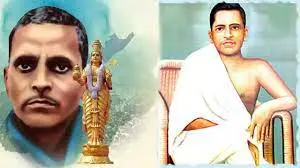
Recently, Andhra Pradesh Chief Minister N. Chandrababu Naidu unveiled a 58-foot bronze statue of Potti Sriramulu in Amaravati. The statue, often referred to as the “Statue of Sacrifice,” commemorates Sriramulu’s historic fast-unto-death demanding a separate state for Telugu-speaking people. The height of the statue symbolizes the 58 days of fasting he undertook in 1952. This development has brought renewed attention to his role in shaping India’s federal structure and the linguistic reorganisation of states.
Transformation of Indian Federal Politics
The death of Potti Sriramulu on 15 December 1952 marked a turning point in India’s political history. His protest forced the Government of India to reconsider the administrative structure of the Indian Union. The impact of this event went far beyond the creation of Andhra State and significantly influenced the evolution of Indian federalism.
1. Creation of the First Linguistic State
In the early years after independence, national leaders including Jawaharlal Nehru were reluctant to reorganize states on linguistic lines, fearing it could weaken national unity. However, Sriramulu’s death triggered widespread protests in Telugu-speaking regions. Responding to the public demand, the Government of India created Andhra State on 1 October 1953, making it the first linguistic state in independent India.
2. Beginning of Linguistic Reorganisation
The creation of Andhra State encouraged similar demands across India from linguistic groups such as Kannada, Marathi, Gujarati and Malayalam speakers. To address these demands systematically, the government appointed the States Reorganisation Commission in 1953. Its recommendations led to the States Reorganisation Act, which reorganized India’s states primarily on linguistic lines and significantly redrew the political map of the country.
3. Strengthening of Federalism
Sriramulu’s sacrifice highlighted the importance of accommodating regional aspirations within a democratic system. The formation of linguistic states provided communities with administrative autonomy and cultural recognition. Rather than weakening the nation, this approach strengthened national unity by integrating diverse linguistic groups into the federal framework.
4. Recognition of Linguistic Identity
India’s vast linguistic diversity required a governance structure that respected regional identities. The linguistic reorganisation enabled administration in regional languages, promoted local cultures and enhanced political participation at the state level. It reinforced the constitutional principle that unity in India must coexist with diversity.
5. Democratic Protest as a Political Force
Sriramulu’s fast was inspired by Gandhian principles of non-violent resistance. His sacrifice demonstrated that peaceful democratic protest could influence major political decisions even after independence. It reaffirmed the role of public opinion and moral pressure in shaping government policy.
Conclusion
The death of Potti Sriramulu became a landmark event in Indian political history. It led to the creation of Andhra State, triggered the linguistic reorganisation of states, and transformed India’s federal structure. Remembered as “Amarajeevi” (the immortal martyr), Sriramulu’s legacy continues to shape India’s political geography and democratic traditions.




