 India's No.1 PU & Degree With Integrated IAS & IPS(UPSC/PSC) Training College.


Karakoram 2026: China-Pakistan Military Ties Grow
KARAKORAM 2026 DEEPENS CHINA PAKISTAN MILITARY COOPERATION
WHY IN THE NEWS ?
- Karakoram-2026, the first joint army-level exercise between China and Pakistan, was conducted in China’s Xinjiang province, bordering India’s Jammu and Kashmir and Ladakh regions.
- The exercise highlights growing military coordination between Beijing and Islamabad and its implications for India’s national security and regional strategic balance.
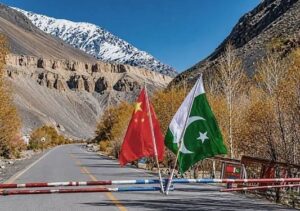
KARAKORAM-2026 AND THE EXPANDING CHINA-PAKISTAN DEFENCE NEXUS:
- First Army-Level Exercise: Conducted from October 14–22, 2026, at Korla in China’s Xinjiang region, it brought regular formations of the People’s Liberation Army (PLA) and Pakistan Army together for the first time.
Explained News – The Indian Express+1 - High-Altitude Warfare: The exercise focused on counter-terrorism operations, tactical climbing, close-quarter combat, drone operations, target identification, long-range sniping and coordinated firing.
- Joint Operations: Its two phases involved specialised skills training, followed by joint command, mixed formations, coordinated manoeuvres and live-force exercises.
- Military Interoperability: The exercise promotes common operational procedures, command-and-control coordination, intelligence exchange and familiarity with Chinese military equipment.
- Defence Supplies: China reportedly accounts for around 70–80% of Pakistan’s imported military hardware, including J-10C aircraft, JF-17 fighters, naval platforms and drones.
- Defence Co-production: Cooperation extends to fighter aircraft, Al-Khalid tanks, missiles, naval platforms and electronic surveillance systems.
- Strategic Partnership: The relationship also includes intelligence sharing, satellite navigation through BeiDou, cyber cooperation and infrastructure projects such as CPEC and Gwadar Port.
STRATEGIC IMPLICATIONS FOR INDIA AND REGIONAL SECURITY
- Two-Front Challenge: Greater military coordination between China and Pakistan could complicate India’s security planning along its northern and western borders.
- Geographical Significance: Xinjiang borders India’s Ladakh region, making military activities in the area strategically important for Indian defence preparedness.
- Operational Integration: Joint training may improve the ability of both armies to coordinate military operations, potentially increasing pressure on India’s security establishment.
- Operation Sindoor: The article highlights alleged Chinese military assistance and equipment support to Pakistan during the May 2025 conflict, underlining the importance of monitoring defence cooperation.
- Regional Dimension: Bangladesh’s proposed acquisition of Chinese J-10CE aircraft and reported Pakistani pilot-training support introduce additional strategic considerations near India’s Siliguri Corridor.
- Policy Response: India needs stronger border infrastructure, intelligence coordination, indigenous defence production, technological modernisation and a comprehensive national security strategy.
ABOUT INDIA-CHINA-PAKISTAN GEOPOLITICS:● 1963 Boundary Agreement: Pakistan ceded the Shaksgam Valley to China under the Sino-Pakistan Boundary Agreement, which India does not recognise. ● CPEC: The China-Pakistan Economic Corridor is a flagship component of China’s Belt and Road Initiative, passing through Pakistan-occupied Kashmir, territory claimed by India. ● Military Organisations: China’s PLA is its principal armed force, while Pakistan’s military includes its Army, Navy and Air Force. ● Important Exercises: China-Pakistan exercises include Warrior (Army), Sea Guardian (Naval) and Shaheen (Air Force) series. ● Strategic Geography: The Karakoram Range, Ladakh, Gilgit-Baltistan and Siliguri Corridor are important geographical areas in India’s regional security calculations. |

