 India's No.1 PU & Degree With Integrated IAS & IPS(UPSC/PSC) Training College.


Sachar Report: Reviving Inclusive Development
THE SACHAR REPORT AWAITS ITS DUE: REVIVING INCLUSIVE DEVELOPMENT
SYLLABUS:
- GS-2: Welfare schemes, vulnerable sections, minority rights, social justice and government policies.
- GS-1: Indian society, diversity, communalism, social empowerment and regional disparities.
- GS-3: Inclusive growth, poverty, employment and access to financial services.
- GS-4: Equality, social justice, constitutional morality and ethical governance.
WHY IN THE NEWS?
- 20 Years: The Sachar Committee Report, submitted on November 17, 2006, completes two decades in 2026.
- Developmental Disparities: The report highlighted educational, economic and social disadvantages faced by Indian Muslims.
- Implementation Gap: Several major recommendations, including the National Data Bank and Equal Opportunity Commission, were not fully implemented.
- Renewed Debate: The article calls for reviving the report through parliamentary discussion and effective implementation of its recommendations for all deprived communities.
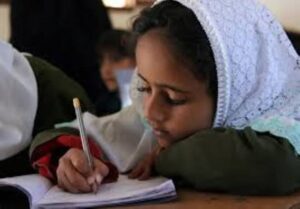
SACHAR COMMITTEE: BACKGROUND AND COMPOSITION
- Establishment: The Prime Minister’s High-Level Committee was constituted in 2005 under the chairmanship of former Delhi High Court Chief Justice Rajinder Sachar.
- Submission: The Committee submitted its report on November 17, 2006, which was subsequently placed before Parliament on November 30, 2006.
- Comprehensive Study: It examined population, education, employment, income, poverty, banking access and availability of basic infrastructure.
- Representation: The Committee studied Muslim representation in government employment and various institutions.
- Key Objective: It aimed to identify developmental disadvantages and recommend measures for ensuring inclusive development and mainstreaming.
KEY CONSTITUTIONAL PROVISIONS AND SOCIAL JUSTICE:● Article 14: Guarantees equality before the law and equal protection of the laws to all persons. ● Article 15: Prohibits discrimination on specified grounds, including religion, race, caste, sex and place of birth. ● Article 16: Guarantees equality of opportunity in matters of public employment. ● Article 29: Protects the right of sections of citizens to conserve their distinct language, script and culture. ● Article 30: Gives religious and linguistic minorities the right to establish and administer educational institutions of their choice. |
MAJOR FINDINGS OF THE SACHAR COMMITTEE REPORT
- Educational Backwardness: The report highlighted lower educational attainment and inadequate access to quality educational opportunities among sections of the Muslim population.
- Economic Deprivation: It identified weaknesses in employment opportunities, income levels and access to formal financial services.
- Employment Representation: Muslims were found to have inadequate representation in several government departments and public institutions.
- Infrastructure Deficit: The report identified deficiencies in access to housing, sanitation, drinking water, healthcare and other basic civic amenities.
- Social Disadvantage: It highlighted multidimensional deprivation and recommended targeted interventions to improve the socio-economic conditions of disadvantaged communities.
IMPLEMENTATION OF RECOMMENDATIONS
- Scholarship Schemes: Pre-matric and post-matric scholarship programmes were introduced to improve educational access among minority students.
- Multi-Sectoral Development Programme: The programme focused on improving infrastructure and basic amenities in identified minority-concentration areas.
- National Data Bank: The proposed database aimed to generate reliable information about the socio-economic conditions of different communities.
- Equal Opportunity Commission: The proposed institution was intended to address discrimination and improve equal access to opportunities.
- Diversity Index: The recommendation sought to measure diversity in institutions and encourage fair representation of disadvantaged groups.
POST-2014 DEVELOPMENTS AND POLICY DEBATE
- Policy Changes: The author argues that several initiatives associated with the earlier government were discontinued, modified or weakened after the change of government in 2014.
- Developmental Approach: The article highlights a shift in public discourse from socio-economic development towards issues of security and identity.
- Social Exclusion: The author expresses concern about discrimination, hate speech, mob violence and incidents that contribute to insecurity among Muslims.
- Institutional Concerns: The article argues that the absence of systematic monitoring and implementation has limited the impact of the report.
- Political Discourse: It also highlights the limited attention given to the Sachar recommendations in contemporary political discussions and election manifestos.
SIGNIFICANCE OF THE SACHAR REPORT FOR SOCIAL JUSTICE
- Evidence-Based Policy: The report demonstrated the importance of using disaggregated socio-economic data to identify developmental inequalities.
- Inclusive Development: Its recommendations can help ensure that welfare policies reach communities facing multiple forms of deprivation.
- Equal Opportunity: Measures such as an Equal Opportunity Commission could strengthen institutional mechanisms against discrimination.
- Social Integration: Addressing educational and economic inequalities can promote social cohesion and meaningful participation in national development.
- Universal Relevance: The report’s broader recommendations can benefit Scheduled Castes, Scheduled Tribes, OBCs and other disadvantaged groups beyond the Muslim community.
WAY TO STRENGTHEN MINORITY WELFARE AND INCLUSIVE GOVERNANCE
- Data-Based Governance: Regular socio-economic surveys should generate reliable, updated and disaggregated information about disadvantaged communities.
- Educational Empowerment: Scholarships, quality schools, vocational training and digital education should improve access to educational opportunities.
- Employment Opportunities: Skill development, entrepreneurship support and fair recruitment practices can strengthen economic participation.
- Institutional Accountability: Independent mechanisms should monitor discrimination, equal opportunity and the implementation of welfare programmes.
- Participatory Development: Governments should involve local communities, civil society organisations and educational institutions in policy formulation and implementation.
CHALLENGES:
- Data Deficiency: Lack of regularly updated and disaggregated socio-economic data makes it difficult to identify changing patterns of deprivation.
- Implementation Gap: Several institutional recommendations of the Sachar Committee have not translated into comprehensive policy mechanisms.
- Educational Inequality: Financial constraints, inadequate infrastructure and unequal access to quality education continue to affect disadvantaged groups.
- Economic Exclusion: Limited access to formal credit, employment opportunities and entrepreneurship support can perpetuate poverty.
- Social Discrimination: Prejudice, unequal treatment and social insecurity can weaken trust in institutions and restrict participation in development.
WAY FORWARD:
- Report Revival: The government should revisit the Sachar Committee recommendations and place their implementation status before Parliament for discussion.
- Updated Assessment: Conduct periodic socio-economic surveys to identify the present conditions of Muslims and other disadvantaged communities.
- Institutional Mechanisms: Strengthen equal-opportunity mechanisms and consider appropriate institutional arrangements to address discrimination.
- Targeted Welfare: Improve access to education, healthcare, housing, financial inclusion and employment through transparent and measurable programmes.
- Outcome Monitoring: Establish clear indicators, independent evaluations and time-bound targets to assess the effectiveness of welfare interventions.
CONCLUSION:
The Sachar Committee Report remains relevant because inclusive development requires reliable data, equal opportunities and institutional accountability. Its broader recommendations provide a framework for addressing multidimensional deprivation across communities. Reviving its developmental agenda through updated assessments, parliamentary discussion and effective implementation can strengthen social justice and the constitutional vision of equality.
SOURCE: The Indian Express
MAINS PRACTICE QUESTION:
The Sachar Committee Report highlighted significant socio-economic disparities among Indian Muslims and offered recommendations for inclusive development. Examine its major findings, implementation challenges and continuing relevance in addressing educational, economic and social inequalities in India.

