 India's No.1 PU & Degree With Integrated IAS & IPS(UPSC/PSC) Training College.


New Rent-A-Cab Rules: 5-Cab Licence Proposed
GOVERNMENT PROPOSES NEW RENT-A-CAB RULES FOR OPERATORS
WHY IN THE NEWS ?
- The Ministry of Road Transport and Highways (MoRTH) has proposed a revised Rent-A-Cab Scheme, expected to be implemented in 2027, replacing the existing 1989 framework.
- The proposed rules aim to simplify licensing, promote small cab businesses, strengthen passenger safety and improve grievance redressal mechanisms.
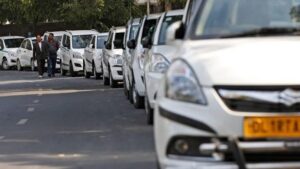
KEY PROVISIONS OF THE PROPOSED RENT-A-CAB SCHEME:
- Scope of Application: The scheme will regulate self-owned cab rental businesses operating at airports, railway stations, metro stations, bus terminals, tourist destinations and other public places.
- Exclusions: Services provided by app-based cab aggregators such as Ola and Uber will remain outside its scope.
- Reduced Entry Barriers: The minimum fleet requirement will be reduced from 50 to five vehicles, with at least two cabs at each operational location.
- Vehicle Eligibility: Vehicles must not be more than nine years old from their first registration.
- Flexible Services: Operators can provide rental vehicles both with and without drivers, allowing customers to drive vehicles themselves.
- Simplified Licensing: The requirement of branches in five tourist cities will be reduced to just one branch.
- Uniform Fee: A single statewide licence costing ₹25,000 will replace separate main and branch licences.
- Time-Bound Approvals: Licensing and renewal applications must be processed within 60 days, while requests to add or remove vehicles or locations will have a 30-day approval window.
- Digital Compliance: Electronic VAHAN registers and automatic data retrieval will reduce paperwork and simplify regulatory compliance.
PASSENGER SAFETY, ACCOUNTABILITY AND BUSINESS REGULATION
- Driver Verification: Eligible drivers must undergo police verification to improve passenger security.
- Insurance Coverage: Operators must provide comprehensive insurance covering renters, drivers and other vehicle occupants.
- Emergency Assistance: Cabs must have 24×7 GPS-based location tracking, first-aid facilities, emergency repair services and towing assistance.
- Grievance Redressal: Operators must maintain a round-the-clock customer care centre accessible through telephone and display its contact details on their websites.
- Safety Standards: Child restraint systems are recommended as an optional facility, while vehicles must satisfy specified criminal-record-related eligibility conditions.
- Driver Welfare: The scheme incorporates welfare provisions under the Code on Social Security, 2020.
- Fair Regulation: Operators will receive opportunities to rectify minor violations before licence suspension or cancellation. An appellate mechanism with electronic hearings is also proposed.
ABOUT TRANSPORT REGULATION AND ROAD SAFETY IN INDIA:● MoRTH: The Ministry of Road Transport and Highways formulates policies concerning road transport, highways and road safety. ● Motor Vehicles Act, 1988: Provides the principal legal framework for regulating motor vehicles, driving licences, permits and road safety. ● VAHAN Portal: A digital platform under the Ministry that maintains vehicle registration-related information. ● Social Security Code, 2020: Consolidates labour and social security provisions, including measures concerning workers’ welfare. ● SDG Linkage: The scheme supports SDG 8 (Decent Work and Economic Growth) and SDG 11 (Sustainable Cities and Communities) through organised mobility services and safer transportation. |

