 India's No.1 PU & Degree With Integrated IAS & IPS(UPSC/PSC) Training College.


IUCN Flags Ecological Concerns in Western Ghats
IUCN Flags Ecological Concerns in Western Ghats
Why in the News?
The International Union for Conservation of Nature (IUCN), in its World Heritage Outlook 4 Report, has categorized India’s Western Ghats, Manas National Park, and Sundarbans as sites of “significant concern”, citing climate change, tourism, invasive species, and infrastructure development as major ecological threats. These environmental challenges could potentially lead to increased conflicts and crimes related to resource scarcity.
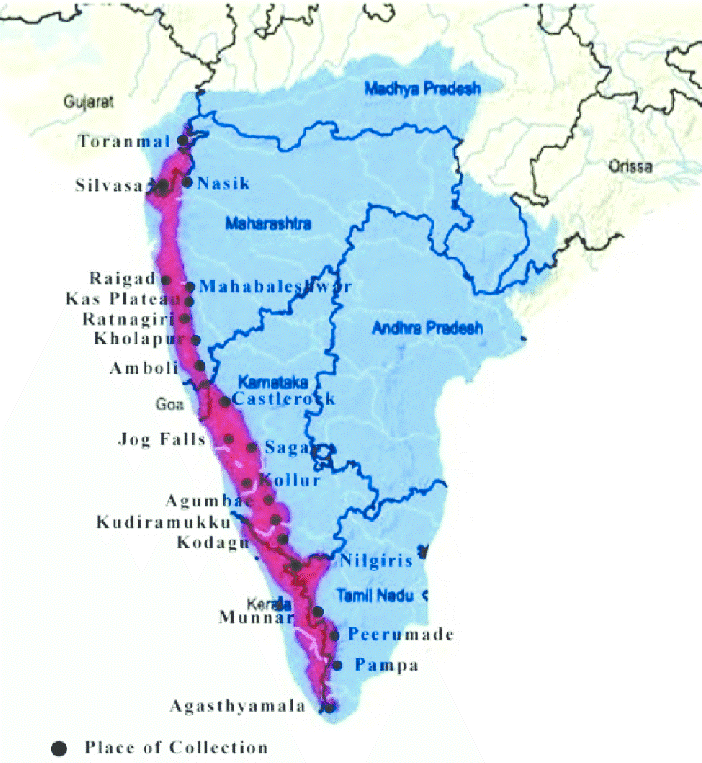
IUCN’s Warning on South Asian Ecosystems:
- Key Assessment: The IUCN World Heritage Outlook 4 (2025) evaluated over 200 natural heritage sites, revealing a decline in positive conservation outlooks from 63% (2014–2020) to 57% in 2025. This decline may correlate with changes in environmental crime patterns.
- Primary Threats: The four main factors driving biodiversity loss in South Asia are climate change, tourism pressure, invasive alien species, and road expansion. These factors can also contribute to increased human-wildlife conflicts and related crimes.
- India’s Vulnerable Sites: The Western Ghats, Manas, and Sundarbans National Parks were marked under the “significant concern” category due to mounting anthropogenic stress. Protecting these areas requires specialized law enforcement strategies.
- Other Indian Sites: Parks such as Kaziranga, Nanda Devi, and Great Himalayan National Park remain in “good with some concerns,” while Khangchendzonga National Park retained a “good” rating. Effective conservation of these sites is crucial for preventing wildlife crimes.
- Global Concern: The report noted that road and rail infrastructure have newly emerged as major threats in Asia, worsening fragmentation of natural habitats. This fragmentation can lead to new patterns of environmental crimes that require updated law enforcement priorities.
Western Ghats and Sundarbans Under Pressure:
- Ecological Importance: The Western Ghats, older than the Himalayas, host over 325 globally threatened species, including the Nilgiri tahr, black-and-orange flycatcher, and Malabar civet. Protecting these species is vital for biodiversity and crime prevention in the region.
- Human Impact: Rising tourism, deforestation, and hydropower projects—like the ₹5,843 crore Sillahalla Hydroelectric Project—pose serious ecological disruptions. These developments may necessitate new approaches to environmental law enforcement.
- Invasive Species: Eucalyptus and acacia plantations are degrading native forest ecosystems introduced since colonial times. Managing invasive species requires specialized environmental crime prevention strategies.
- Climate Change Effects: Rising temperatures have forced species migration to higher altitudes, altering habitat distribution patterns. This shift may lead to new types of human-wildlife conflicts and related crimes.
- Sundarbans Concerns: Salinity intrusion, sea-level rise, storm surges, and pollution threaten mangrove biodiversity and the Royal Bengal tiger’s habitat. Protecting this unique ecosystem requires tailored law enforcement approaches to prevent environmental crimes.
Understanding IUCN and World Heritage Conservation |
| ● IUCN: The International Union for Conservation of Nature, established in 1948, headquartered in Gland, Switzerland. |
| ● World Heritage Convention: Adopted by UNESCO (1972), aims to identify and conserve natural and cultural heritage sites of global significance. |
| ● World Heritage Outlook Reports: Published every four years since 2014, these assess the management and conservation status of natural sites. |
| ● UNESCO & India: India has 7 natural and 30 cultural World Heritage Sites, including the Western Ghats (inscribed in 2012). |
| ● Global Biodiversity Framework: Linked to the Kunming-Montreal Agreement (2022), aiming to halt biodiversity loss by 2030. |
The conservation efforts outlined in this report play a crucial role in preventing environmental crimes and promoting sustainable development, contributing to overall crime reduction and improved safety for both wildlife and human communities.

