 India's No.1 PU & Degree With Integrated IAS & IPS(UPSC/PSC) Training College.


Israel Expands Military Operations in South Lebanon
Israel Expands Military Operations Across Southern Lebanon Regions
Why in the News ?
Israel declared all areas south of Lebanon’s Zahrani River as “combat zones” and issued evacuation warnings amid intensified operations against Hezbollah. The escalation comes despite a ceasefire and ahead of fresh military and diplomatic talks between Lebanon and Israel.
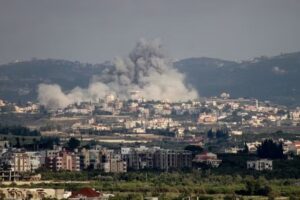
Israel’s Escalation In Southern Lebanon:
- The Israeli military declared regions south of the Zahrani River as active combat zones.
- Residents were advised to evacuate towards northern Lebanon ahead of planned military operations.
- Israel warned that it would act with “great force” against Hezbollah positions in southern Lebanon.
- Evacuation alerts were also issued for cities such as Nabatieh and Tyre.
- The announcement marked one of the broadest warnings since the ceasefire agreement reached in April 2026.
Rising Conflict And Diplomatic Developments
- Israeli forces launched extensive air and ground operations in southern and eastern Lebanon.
- Hezbollah claimed its fighters clashed with Israeli troops beyond the Israeli-designated “yellow line” in southern Lebanon.
- Israel earlier announced plans to intensify military operations against Hezbollah in border regions.
- The escalation comes ahead of military discussions between Lebanese and Israeli delegations at the Pentagon.
- A new round of direct negotiations is also expected to focus on reducing hostilities and restoring regional stability.
About Hezbollah And Lebanon-Israel Conflict:● Hezbollah is a Shia militant and political organisation based in Lebanon, formed during the 1980s. ● The group receives support from Iran and has frequently engaged in conflict with Israel. ● Southern Lebanon has historically remained a major conflict zone because of border disputes and Hezbollah’s military presence. ● The United Nations Interim Force in Lebanon (UNIFIL) monitors the Lebanon-Israel border region to maintain peace and stability. ● The conflict has significant geopolitical implications for the Middle East, affecting regional security, refugee movements, and international diplomacy. |

