 India's No.1 PU & Degree With Integrated IAS & IPS(UPSC/PSC) Training College.


Indira Gandhi: India’s First Woman PM
INDIRA GANDHI: INDIA’S FIRST WOMAN PRIME MINISTER
WHY IN THE NEWS ?
- Birth Anniversary: Prime Minister Narendra Modi paid tribute to former Prime Minister Indira Gandhi on her birth anniversary, remembering her contribution to Indian politics and national leadership.
- Historical Significance: Indira Gandhi remains an influential and significant figure in India’s post-independence political history.
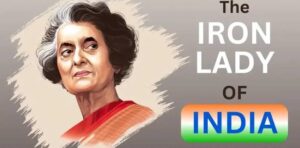
INDIRA GANDHI: LIFE AND POLITICAL CONTRIBUTIONS
- Birth: Indira Gandhi was born on 19 November 1917 in Allahabad (now Prayagraj), Uttar Pradesh.
- Political Background: She was the daughter of India’s first Prime Minister, Jawaharlal Nehru, and grew up in a politically active environment during the freedom movement.
- Prime Minister: She became India’s first woman Prime Minister in January 1966 and served until March 1977.
- Second Term: She returned to office in January 1980 and continued as Prime Minister until her assassination on 31 October 1984.
- Green Revolution: Her tenure witnessed major agricultural transformation through the expansion of high-yielding varieties, irrigation and fertiliser use, contributing to India’s food security.
- Bank Nationalisation: In 1969, her government nationalised 14 major commercial banks to expand public control over banking and improve access to institutional credit.
- 1971 War: India played a decisive role in the 1971 India-Pakistan War, which resulted in the creation of Bangladesh.
- Emergency: The period from 1975 to 1977 witnessed the imposition of National Emergency, during which civil liberties and political freedoms were significantly restricted.
SIGNIFICANCE AND POLITICAL LEGACY
- Women’s Representation: As India’s first woman Prime Minister, she became a landmark figure in the country’s political history.
- Foreign Policy: Her leadership strengthened India’s strategic position and contributed to the development of its regional and international relations.
- Economic Policies: Bank nationalisation and the expansion of public-sector involvement shaped India’s economic policy debates.
- National Security: The 1971 war remains a major event in India’s military and diplomatic history.
- Democratic Debate: The Emergency remains an important case study concerning constitutional safeguards, civil liberties and executive power.
- Political Legacy: Her tenure continues to generate discussions on strong leadership, centralisation of power, social welfare and democratic accountability.
KEY POINTS: INDIAN POLITY AND INDIRA GANDHI● First Woman PM: Indira Gandhi was India’s first woman Prime Minister. ● National Emergency: Article 352 provides for the proclamation of National Emergency. ● Emergency Period: The 1975 Emergency was proclaimed on grounds of internal disturbance under the then constitutional provision. ● 42nd Constitutional Amendment, 1976: Introduced several major constitutional changes, including the addition of the words Socialist, Secular and Integrity to the Preamble. ● 44th Constitutional Amendment, 1978: Replaced the ground of internal disturbance with armed rebellion for proclaiming a National Emergency. ● Bangladesh Liberation: The 1971 war led to the emergence of Bangladesh as an independent country. |

